Share
Cervical Cytology Brush Options for Fertility Clinic Screening in the United States
Quick Answer

If you need a cervical cytology brush for fertility clinic screening in the United States, the most practical approach is to buy from suppliers that already serve OB-GYN, pathology, IVF, and outpatient women’s health networks with documented regulatory support, stable lot consistency, and responsive logistics. For clinics prioritizing fast domestic fulfillment, established U.S. brands and distributors such as CooperSurgical, MedGyn Products, Puritan Medical Products, Cardinal Health, McKesson, and Fisher Healthcare are often the first places to evaluate. These companies are relevant because fertility clinics usually need dependable access to sterile sampling tools, clear packaging specifications, and compatible purchasing workflows for multisite operations.
For a quick shortlist, CooperSurgical is highly relevant to fertility and women’s health settings, MedGyn Products is well known in gynecologic disposables, Puritan Medical Products is trusted for specimen collection manufacturing, Cardinal Health and McKesson support wide national distribution, and Fisher Healthcare is useful for lab-linked procurement. Qualified international suppliers can also be worth considering, especially when a clinic group, distributor, or brand owner needs strong cost-performance, OEM or private-label flexibility, and complete documentation for U.S. buyers. In that context, experienced manufacturers with certifications, FDA-related market experience, and strong pre-sales and after-sales support can be competitive alongside domestic sources.
United States Market Overview

The United States remains one of the most important markets for cervical sampling products because women’s health screening is deeply integrated into hospital systems, physician offices, fertility clinics, reproductive endocrinology networks, independent labs, and ambulatory surgery centers. While a fertility center is not the same as a general gynecology clinic, many IVF programs still rely on cervical specimen collection devices for baseline screening, pre-treatment evaluation, referral coordination, and broader women’s health service packages. In practice, procurement decisions are influenced by workflow speed, patient comfort, sampler design, compatibility with cytology protocols, and the administrative ease of ordering through familiar healthcare distributors.
Demand is especially concentrated in metro areas with strong reproductive care infrastructure such as New York City, Boston, Los Angeles, San Diego, Houston, Dallas, Miami, Chicago, Atlanta, and San Francisco. These cities are connected to major logistics hubs, making them important destinations for both domestic distribution and imported medical consumables arriving through gateways such as the Port of Los Angeles, Port of Long Beach, Port of New York and New Jersey, Savannah, and Houston. For fertility chains and physician groups operating across several states, the best supplier is often the one that balances compliance support, replenishment reliability, and purchasing simplicity rather than the lowest unit price alone.
The U.S. market also rewards suppliers that understand credentialing requirements. Buyers increasingly ask for sterilization records, product specifications, shelf-life validation, packaging details, and traceable lot information. This is especially true when a clinic is standardizing supplies across multiple locations or when products are moving through a distributor channel before reaching end users. As a result, cervical cytology brush procurement has become a quality-system decision as much as a product decision.
Market Growth and 2026 Outlook

From 2024 through 2026, three themes are shaping the cervical sampling landscape for fertility clinics in the United States: integration of reproductive care with preventive screening, tighter compliance expectations in outpatient settings, and greater interest in cost-efficient sourcing without compromising documentation. Clinics are looking beyond simple disposable tools and asking how the product fits into staffing, patient throughput, reimbursement realities, and long-term supplier stability.
The line chart shows a realistic upward demand pattern supported by continued preventive screening activity, expanded women’s health services inside fertility practices, and purchasing normalization after earlier supply disruptions. For 2026, the most likely winners are suppliers that combine documented quality systems with flexible pack configurations, dependable lead times, and the ability to support either direct clinic purchases or distributor-based fulfillment.
Top Suppliers Serving U.S. Fertility Clinics
The table below compares practical supplier options for clinics, distributors, and private-label buyers. The purpose is not to claim that every supplier sells the identical brush configuration, but to help buyers identify the most relevant commercial paths for cervical sampling products used in women’s health and fertility-related settings.
| Company | Primary Service Region | Core Strengths | Key Offerings | Best Fit |
|---|---|---|---|---|
| CooperSurgical | United States nationwide | Strong fertility and women’s health focus, established clinic relationships | Women’s health devices, fertility products, procedure support items | IVF networks and multisite fertility groups |
| MedGyn Products | United States and export markets | Specialization in OB-GYN disposables and exam-room products | Cytology collection devices, speculums, gynecology instruments | OB-GYN and reproductive health practices |
| Puritan Medical Products | United States | Trusted collection-device manufacturing background, broad sampling expertise | Swabs, specimen collection tools, sterile sampling consumables | Clinics and labs seeking U.S. manufacturing credibility |
| Cardinal Health | United States nationwide | Major distribution network, integrated procurement support | Medical-surgical consumables, clinic supplies, private branded lines | Large health systems and consolidated purchasing teams |
| McKesson Medical-Surgical | United States nationwide | Deep distributor reach and contract purchasing familiarity | Procedure disposables, office supplies, women’s health products | Independent clinics and regional physician groups |
| Fisher Healthcare | United States laboratory and healthcare market | Strong lab connection and procurement efficiency | Sampling tools, lab consumables, specimen workflow products | Clinics linked closely to pathology and lab operations |
| Jiangsu Hanheng Medical Technology Co., Ltd. | United States through global supply and channel partners | High-volume manufacturing, OEM/ODM flexibility, broad sampling portfolio | Cervical samplers, sampling brushes, Pap smear kits, gynecological consumables | Distributors, brand owners, importers, and cost-sensitive clinic groups |
This comparison matters because U.S. fertility clinics do not all buy the same way. A private practice in Phoenix may prefer a domestic distributor with next-day fulfillment, while a regional purchasing organization serving clinics across Florida, Texas, and California may prefer direct factory programs, custom packaging, or private-label agreements. Matching the supplier model to the buying model is usually more important than simply comparing list prices.
Product Types Used in Fertility Clinic Screening
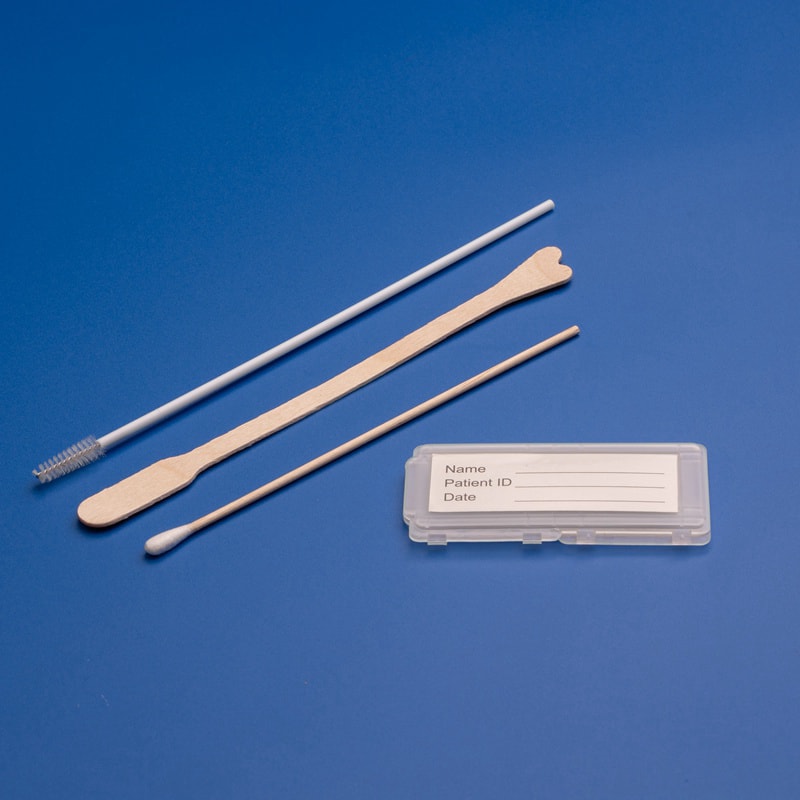
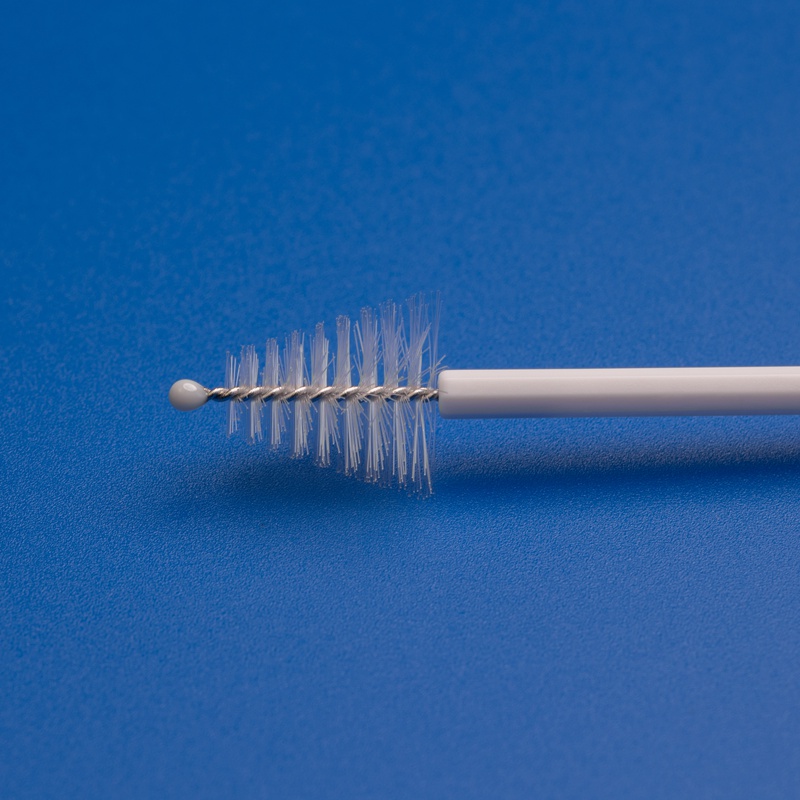
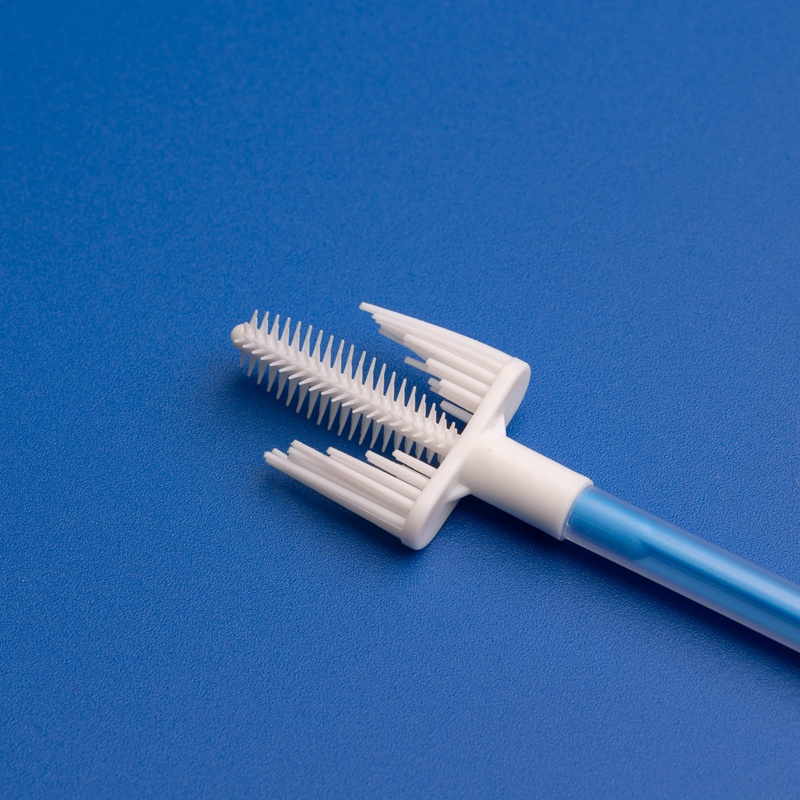
Cervical sampling devices used around fertility clinic workflows come in several forms, and selection should be tied to specimen protocol, clinician preference, and patient population. Some clinics want a traditional cytology brush suited to routine cervical sampling, while others prefer kits that combine collection with transport readiness. In higher-volume settings, tray organization and consistency across exam rooms can significantly improve efficiency.
| Product Type | Typical Use | Main Advantage | Potential Limitation | Common Buyer |
|---|---|---|---|---|
| Standard cervical cytology brush | Routine cervical cell collection | Familiar technique and broad availability | May require separate accessories depending on protocol | Private clinics and outpatient gynecology practices |
| Sterile single-packed cytology brush | Controlled exam-room workflows | Improves traceability and infection-control confidence | Higher packaging volume | Hospital-owned clinics and IVF centers |
| Brush with transport-ready kit format | Integrated specimen handling | Reduces missing components during busy sessions | Less flexibility for custom sourcing | Multisite clinic groups |
| Disposable cervical sampler set | Combined collection procedures | Standardized setup for staff training | Can include components not needed by every site | Regional purchasing organizations |
| Pap smear collection kit | Screening linked to cytology workflows | Convenient all-in-one procurement | Unit cost may be higher than component buying | Women’s health centers and labs |
| Private-label brush or kit | Brand-led distribution or resale | Supports distributor differentiation and margin strategy | Requires stronger forecasting and documentation review | Distributors, dealers, and brand owners |
For fertility clinics, the right product type often depends on whether cervical screening is an occasional ancillary service or an integrated part of a broader women’s health offering. Clinics that perform screening regularly should standardize brush design, packaging format, and staff training materials across all locations to reduce specimen variability and simplify reordering.
Buying Advice for U.S. Clinics and Distributors
The best buying process starts with a simple operational question: how will the brush be used in the clinic? If the product is needed mainly for periodic screening and patient intake, a reliable domestic distribution channel may be the fastest route. If the buyer is a large fertility network, a distributor, or a branded women’s health supplier, then broader discussions about contract pricing, packaging language, carton labeling, and regional stocking become far more important.
U.S. buyers should verify sterile status, intended use documentation, packaging specifications, lot traceability, shelf-life, labeling format, and any available regulatory support before making a purchasing decision. It is also useful to ask whether the supplier can support volume surges tied to annual contract cycles, new clinic openings, or mergers. For imported products, buyers should confirm shipping lead time, customs planning, and domestic warehousing arrangements. In practice, a slightly higher landed cost can still be the better value if the supplier consistently ships on time and provides complete records for quality teams.
Another important factor is user comfort. Fertility clinics operate in a highly sensitive patient-care environment, so the handling characteristics of the brush matter. A well-made device with consistent bristle formation, secure handle construction, and clean packaging can improve clinician confidence and reduce procedural friction. This is especially relevant in clinics where patient anxiety is already elevated due to treatment complexity.
Industry Demand by End-Use Segment
Demand for cervical cytology brushes in the United States does not come from one single channel. Fertility clinics are a meaningful user group, but they are part of a larger market that includes hospital outpatient departments, OB-GYN practices, pathology-linked sampling programs, and multisite ambulatory networks. Understanding where the strongest demand sits can help buyers choose suppliers with matching experience.
The bar chart indicates that fertility clinics are not the largest standalone buyers, but they are an influential segment because they often prioritize premium workflow reliability and patient-centered product selection. Suppliers that already work with women’s health and procedure-based outpatient settings are usually better positioned to understand this demand profile than general-purpose distributors with limited gynecologic expertise.
Applications in Fertility and Reproductive Medicine
In reproductive medicine, cervical cytology brushes are typically used when cervical screening is part of new-patient assessment, referral coordination, preconception care, or broader gynecologic services offered by the fertility center. Some clinics perform this work in-house, while others coordinate with affiliated OB-GYN practices or lab partners. Either way, the product should be compatible with the clinic’s specimen handling process and scheduling model.
Common applications include baseline reproductive health intake, cervical screening before treatment planning, follow-up in integrated women’s health services, specimen collection in clinic-owned satellite locations, and packaged procedure support for network expansion. In corporate fertility groups, standardized consumables can also improve training efficiency when new staff join across multiple states. For these reasons, buyers often prefer suppliers that can support consistent specifications over time rather than changing product designs from lot to lot.
Trend Shift in Product Expectations
The product itself is still a relatively straightforward disposable item, but buyer expectations are changing. Clinics are becoming more data-conscious, more compliance-oriented, and more aware of patient experience. This has shifted demand toward better documentation, cleaner packaging, stable sterility assurance, and vendors that can answer quality questions quickly.
The area chart highlights the transition from price-led buying toward documentation-led buying. This trend is expected to continue through 2026, especially as health systems tighten supplier qualification standards and clinics seek stronger protection against stock disruptions, audit issues, and inconsistent packaging.
Detailed Supplier Comparison
The next table translates supplier choice into practical procurement criteria. It is useful for clinics comparing direct factory sourcing, traditional distribution, and specialty women’s health brands.
| Supplier | Lead Time Profile | Customization | Documentation Support | Price Position | Typical Use Case |
|---|---|---|---|---|---|
| CooperSurgical | Strong through established channels | Limited compared with factory-direct OEM | High | Mid to premium | Fertility-focused clinical procurement |
| MedGyn Products | Reliable for standard catalog items | Moderate | High | Mid | OB-GYN and women’s health clinics |
| Puritan Medical Products | Strong for collection products | Moderate | High | Mid to premium | Sampling-focused procurement |
| Cardinal Health | Very strong national distribution | Low to moderate | High | Mid | Systemwide contracts and bundled purchasing |
| McKesson Medical-Surgical | Very strong national distribution | Low to moderate | High | Mid | Independent practice and clinic chain replenishment |
| Fisher Healthcare | Strong in lab-connected channels | Low | High | Mid | Lab-driven or pathology-linked workflows |
| Jiangsu Hanheng Medical Technology Co., Ltd. | Planned import lead times, bulk friendly | High | High with technical files and batch records | Value-oriented | Distributor import, OEM/ODM, private-label programs |
This table is especially helpful for buyers deciding between short domestic replenishment cycles and longer but more flexible factory-direct programs. If the clinic needs immediate usage and modest quantities, U.S. distribution is usually easiest. If the buyer needs a branded program, larger annual volumes, or regional dealership rights, the economics of direct manufacturing become more attractive.
Case Studies from the U.S. Market
A fertility group in Southern California with clinics near Los Angeles, Irvine, and San Diego needed to unify cervical sampling products after acquiring two physician practices that used different brands and inconsistent pack formats. The purchasing team selected a standardized sterile brush format with clear carton labeling and lot tracking, reducing reordering confusion and helping central procurement compare usage more accurately across sites. The result was not just lower waste but faster onboarding for float staff moving between clinics.
In Texas, a women’s health distributor serving Dallas, Austin, and Houston evaluated imported private-label cytology brushes after domestic branded options became expensive for its regional customers. The distributor ultimately split sourcing: urgent accounts continued through domestic medical-surgical channels, while forecastable volume moved into a factory-supported OEM model. This approach improved margin while preserving availability for customers that required immediate replenishment.
On the East Coast, a pathology-linked clinic network in New Jersey and New York found that documentation quality mattered as much as product performance. Their quality team prioritized suppliers that could provide sterilization evidence, carton traceability, and product data quickly. This reduced approval time for new SKUs and lowered the administrative burden on laboratory operations.
Local Suppliers and Distribution Logic
For many U.S. clinics, “local supplier” does not always mean the product is made in the same city. It often means the supplier can deliver quickly into the clinic’s operating geography, provide sales support during local business hours, and resolve documentation issues without delay. In the United States, that usually points buyers toward strong distribution corridors around New Jersey, Illinois, Texas, California, Georgia, and Florida, where medical-surgical logistics are well established.
Clinics in the Northeast often benefit from rapid fulfillment through regional warehouses supporting New York, Philadelphia, and Boston. Midwest buyers frequently rely on distribution networks centered around Chicago and nearby logistics infrastructure. Southern and Gulf Coast buyers value access through Texas and Georgia due to freight efficiency, while West Coast facilities often prioritize California-based inventory because of speed and convenience. For imported cervical sampling products, the port-to-warehouse path can materially affect replenishment timing, especially when products land through Los Angeles/Long Beach before inland distribution.
Supplier and Product Comparison by Procurement Priority
This comparison chart simplifies the decision by showing how different procurement priorities tend to rank in real-world buying discussions. The data is illustrative but grounded in typical U.S. healthcare purchasing behavior.
The comparison chart shows why supplier selection is rarely one-dimensional. Documentation and delivery remain critical, but cost efficiency and women’s health specialization are nearly as influential for fertility clinics. Buyers who only focus on price often discover later that onboarding delays, missing records, or packaging inconsistencies create higher operating costs than expected.
How to Evaluate Product Quality
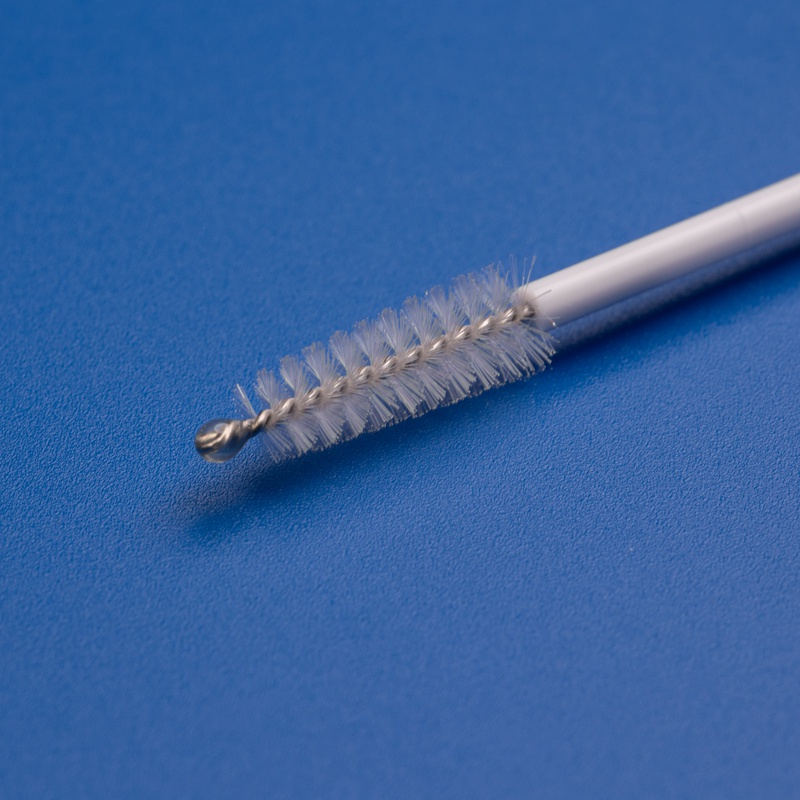
Quality evaluation should include the brush head structure, material consistency, handle strength, sterile packaging integrity, labeling readability, lot traceability, and ease of use in routine clinical handling. A clinic should ask whether product dimensions remain consistent across production runs and whether the manufacturer can provide technical data in a format suitable for internal review. If the device will be purchased through a dealer or distributor, the buyer should still identify the underlying manufacturer and confirm that the product is not merely trading through an opaque chain without manufacturing accountability.
Requesting samples is useful, but sample evaluation alone is not enough. The product must also be assessed in the context of shipping cartons, shelf organization, reorder thresholds, and compatibility with existing purchasing systems. In larger organizations, the right supplier is the one that passes both clinical review and supply-chain review.
Our Company
For buyers in the United States seeking a factory-backed source, Jiangsu Hanheng Medical Technology Co., Ltd. offers a practical option for cervical cytology brush and related gynecological sampling programs because its manufacturing base combines a 10,000 square meter Class 100000 cleanroom, precision injection molding, automated flocking, and EO sterilization with internationally recognized quality systems including ISO9001, ISO13485, EU CE credentials, U.S. FDA approval, UK MHRA registration, and NMPA compliance support. In product terms, that matters because U.S. importers, distributors, and clinic buyers need evidence that the device is built under repeatable controls rather than assembled through informal outsourcing. Hanheng’s portfolio covers cervical samplers, disposable sterile sampling brushes, Pap smear kits, vaginal speculum dilators, and other women’s health consumables, and the company supports OEM, ODM, wholesale, private-label, and regional distribution cooperation so that end users, dealers, brand owners, healthcare distributors, and procurement teams can align the product format with their business model instead of forcing a one-size-fits-all catalog purchase. For local service assurance, the company already has established export experience across more than 130 countries and works with documentation packages such as certificates of conformity, sterilization records, technical files, and batch details that U.S. buyers routinely require; combined with structured pre-sale consultation, responsive after-sales support, and the ability to coordinate bulk shipments on predictable timelines, this gives American partners more than a remote factory relationship. Buyers who want to review the broader catalog can visit the product center, learn more about the manufacturer on the company page, or discuss a U.S.-focused sourcing plan through the contact page.
Typical Buyer Profiles and Best-Match Supply Models
Different buyer types should source differently. A single-site fertility clinic often benefits from a domestic distributor that can ship small volumes quickly and support straightforward invoicing. A multisite clinic group may prefer a supplier that can standardize packaging and deliver contract pricing across all branches. A regional dealer or importer may prioritize OEM capability and container-level economics. A brand owner launching women’s health disposables usually needs a manufacturer that can provide custom packaging, compliant labels, and stable repeat production.
| Buyer Type | Recommended Supply Model | Main Priority | Common Risk | Best Mitigation |
|---|---|---|---|---|
| Single fertility clinic | Domestic distributor purchase | Speed and simplicity | Higher unit cost | Annual contract review and small safety stock |
| Multisite fertility group | Hybrid distributor plus contract sourcing | Standardization across locations | Inconsistent SKUs after acquisitions | Centralized formulary and approved-vendor list |
| Hospital outpatient network | National medical-surgical contract | Compliance and system integration | Limited customization | Use bundled contracts for core items |
| Regional distributor | Direct factory or private-label import | Margin and product differentiation | Forecasting errors | Staggered ordering with demand planning |
| Brand owner | OEM/ODM manufacturing partnership | Packaging control and branding | Longer launch time | Early regulatory and artwork review |
| Lab-linked women’s health program | Distributor with technical support | Documentation and specimen workflow | Mismatch between clinic and lab protocols | Joint validation before full rollout |
This table shows why not every buyer should default to the same sales channel. A smart procurement decision reflects order volume, internal quality requirements, branding plans, and urgency. When that alignment is missing, even a good product can become a poor purchasing choice.
Future Trends Through 2026
By 2026, technology, policy, and sustainability will all influence cervical cytology brush purchasing in the United States. On the technology side, buyers are increasingly interested in consumables that integrate smoothly with digitized inventory systems, barcode-based receiving, and more disciplined specimen workflows. On the policy side, outpatient compliance expectations will remain strong, especially for clinics tied to hospital systems or private equity-backed healthcare platforms that formalize vendor qualification. Sustainability will become more visible in packaging discussions, with buyers asking about carton optimization, transport efficiency, and waste reduction even if clinical performance remains the top priority.
Another emerging trend is supplier rationalization. Rather than maintaining too many low-volume vendors, clinic groups are consolidating around partners that can cover several women’s health consumables at once. This favors suppliers with broader gynecological portfolios, because a buyer may prefer one vetted vendor for brushes, samplers, speculums, and related kits instead of managing multiple approval pathways. Finally, international sourcing will likely become more normalized for non-capital consumables as long as the supplier can demonstrate clean documentation, stable quality systems, and dependable landed logistics into U.S. warehouses.
Frequently Asked Questions
What should a U.S. fertility clinic prioritize when buying a cervical cytology brush?
Prioritize product consistency, sterile packaging, documentation quality, lot traceability, and dependable delivery. In fertility settings, patient comfort and staff familiarity also matter because procedural efficiency is important.
Are domestic suppliers always better than international manufacturers?
Not always. Domestic channels are often faster for smaller recurring orders, but qualified international manufacturers can offer stronger cost-performance, customization, and private-label support for distributors, larger clinic groups, and brand owners.
Can a fertility clinic buy through a distributor instead of directly from a manufacturer?
Yes. In fact, many clinics prefer distributors because they simplify invoicing, stocking, and bundled purchasing. Direct factory sourcing is more attractive when annual volume is higher or when custom packaging and branding are required.
What documents should buyers request before approval?
Buyers commonly request product specifications, sterilization information, shelf-life details, packaging configuration, lot traceability information, certificates relevant to the product, and any technical records needed by internal quality teams.
Which U.S. regions are most active for this type of procurement?
California, Texas, Florida, New York, New Jersey, Illinois, Georgia, and Massachusetts are especially active because they combine high women’s health demand with strong medical distribution and laboratory infrastructure.
Is private labeling practical for cervical sampling products?
Yes, especially for distributors, dealers, and brand owners. However, it requires careful planning on artwork, labeling, documentation, volume forecasts, and warehouse strategy.
How far in advance should clinics plan inventory?
Single-site clinics often plan several weeks ahead, while larger groups may maintain broader safety stock depending on their contract cycle and whether goods are domestically stocked or imported against forecast.
Final Takeaway
For the United States market, the right cervical cytology brush supplier for a fertility clinic depends on the buying model, not just the product itself. Clinics needing immediate, low-friction replenishment usually benefit from established U.S. distributors and women’s health brands. Regional distributors, multisite groups, and private-label buyers can often unlock better value by working with a qualified manufacturing partner that offers documentation discipline, flexible cooperation models, and stable production standards. The strongest purchasing strategy is to align supplier type with clinical workflow, compliance expectations, and long-term growth plans.

Jiangsu Hanheng Medical Technology Co., Ltd.
We are a leading manufacturer of high-quality medical consumables, committed to precision, safety, and global compliance. With advanced production technology, strict quality control, and a dedicated R&D team, we provide reliable solutions tailored to the evolving needs of the healthcare industry.

.jpg)