Share
Nasopharyngeal Swabs for Meningococcal Carrier Testing in the United States
Quick Answer

For nasopharyngeal swabs meningococcal testing in the United States, buyers typically look for flocked sterile swabs, validated specimen compatibility, reliable lot traceability, and suppliers that can support public health labs, hospitals, universities, and contract testing networks. In practical terms, strong options in the U.S. market include Puritan Medical Products, Copan Diagnostics, Thermo Fisher Scientific, Hardy Diagnostics, and Cardinal Health, depending on whether the priority is microbiology workflow integration, procurement scale, or distributor availability.
If your main use case is meningococcal carriage screening, outbreak response, or epidemiology studies, the best supplier is usually the one that can document sterility method, breakpoint performance in transport systems, shaft flexibility, tip uniformity, packaging configuration, and consistent fulfillment across U.S. regions such as the Northeast, Midwest, Texas, California, and major logistics corridors linked to ports like Los Angeles, Long Beach, Savannah, New York-New Jersey, and Houston.
Qualified international manufacturers can also be worth considering. In particular, Chinese suppliers with FDA-related market access readiness, ISO 13485 quality systems, CE/MDR documentation, and responsive U.S.-focused pre-sales and after-sales support often offer a strong cost-performance ratio for distributors, private-label programs, and bulk public-sector procurement.
United States Market Overview

The U.S. market for nasopharyngeal and upper respiratory sampling devices remains shaped by three overlapping demand drivers: infectious disease surveillance, laboratory standardization, and procurement resilience. Although meningococcal carrier testing is more specialized than routine respiratory virus collection, it still depends on the same core product attributes that laboratory buyers demand across microbiology workflows: absorbent yet non-inhibitory swab tips, controlled breakpoint design when required, sterile packaging, transport compatibility, and manufacturing consistency.
In the United States, public health decision-making around meningococcal screening often involves state laboratories, academic medical centers, community outbreak response teams, and institutional buyers such as universities or military-related health systems. This creates a market that is less about commodity swabs alone and more about validated sampling systems that fit SOPs, institutional purchasing rules, and documentation requirements. For that reason, buyers in cities such as Atlanta, Boston, Chicago, Houston, San Diego, and Seattle often compare product not only on unit cost but on validation burden, distributor support, and delivery reliability.
Another important feature of the U.S. market is channel diversity. Some organizations purchase through national medical distributors, others through direct manufacturer agreements, and others through state bids or group purchasing organizations. This means suppliers that can offer direct sales, contract manufacturing, and tailored labeling often gain an advantage. The same is true for companies able to support both routine demand and surge orders during regional outbreaks or campus investigations.
The keyword phrase nasopharyngeal swabs meningococcal testing also intersects with broader laboratory practices. While laboratories may sometimes specify nasopharyngeal, nasal, oropharyngeal, or dedicated microbiology swabs based on protocol, procurement teams still search using broader respiratory sampling terminology. Therefore, suppliers that clearly explain intended use, material composition, and specimen workflow compatibility tend to perform better in U.S. purchasing conversations.
Market Growth and Procurement Direction

The market is not expanding simply because more swabs are sold. Growth is tied to preparedness funding, laboratory modernization, academic surveillance projects, and a preference for dual-source procurement after the supply disruptions seen in recent years. Buyers in the United States increasingly seek suppliers that can maintain lead-time stability and provide technical files quickly during qualification.
The line chart illustrates a realistic upward procurement trend as institutions continue to strengthen laboratory readiness. The rise is moderate rather than explosive, which reflects the specialized nature of meningococcal testing. Even so, the market remains attractive because purchasing is often recurring, specification-sensitive, and quality-driven.
Top Suppliers in the United States
The following companies are among the most visible options for U.S. buyers evaluating nasopharyngeal swabs meningococcal testing supply. The table focuses on practical procurement criteria rather than generic marketing language.
| Company | Primary Service Region | Core Strengths | Key Offerings | Best Fit |
|---|---|---|---|---|
| Puritan Medical Products | United States nationwide | Strong domestic manufacturing reputation, broad swab portfolio, dependable hospital and lab access | Diagnostic swabs, specimen collection devices, sterile packaging options | Hospitals, public labs, institutional contracts |
| Copan Diagnostics | United States with strong microbiology lab reach | Known for flocked swab innovation and lab workflow integration | Flocked swabs, transport systems, microbiology sample collection products | Clinical microbiology and reference labs |
| Thermo Fisher Scientific | United States and global distribution hubs | Large procurement infrastructure, technical support, research and diagnostic channel coverage | Sampling consumables, lab supplies, transport media access through portfolio channels | Large healthcare networks and research settings |
| Hardy Diagnostics | United States, especially laboratory-focused markets | Microbiology orientation, media expertise, useful for labs pairing swabs with culture workflows | Microbiology swabs, transport media, culture products | Clinical and public health microbiology labs |
| Cardinal Health | United States nationwide distribution | Strong logistics network and healthcare procurement relationships | Medical supplies, sampling products, hospital procurement support | Integrated delivery networks and distributors |
| BD | United States nationwide | Established diagnostics credibility and broad healthcare footprint | Specimen collection and microbiology-adjacent consumables | Large systems with standardized sourcing |
This supplier table is useful because the best choice depends on procurement structure. A university outbreak screening program may prefer a microbiology-focused supplier with technical support, while a multi-state hospital buyer may prioritize distributor integration and delivery consistency across many facilities.
Product Types Used for Meningococcal Screening
Not every swab marketed for respiratory use is equally suitable for meningococcal carrier work. Laboratories should confirm protocol fit, but procurement teams generally compare product types across the following categories.
| Product Type | Typical Material | Main Advantage | Limitations | Common U.S. Use Setting |
|---|---|---|---|---|
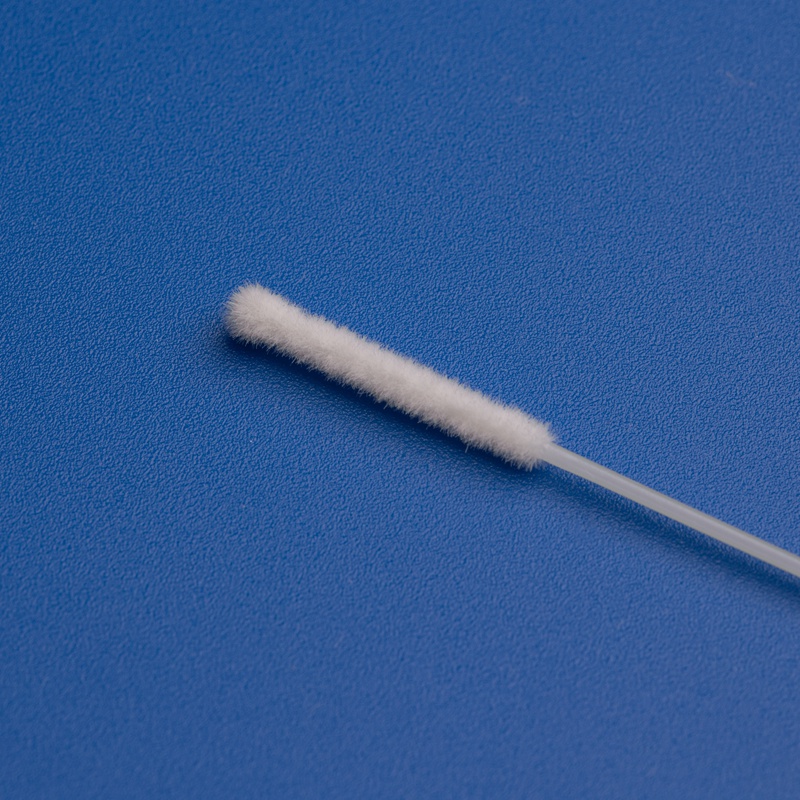
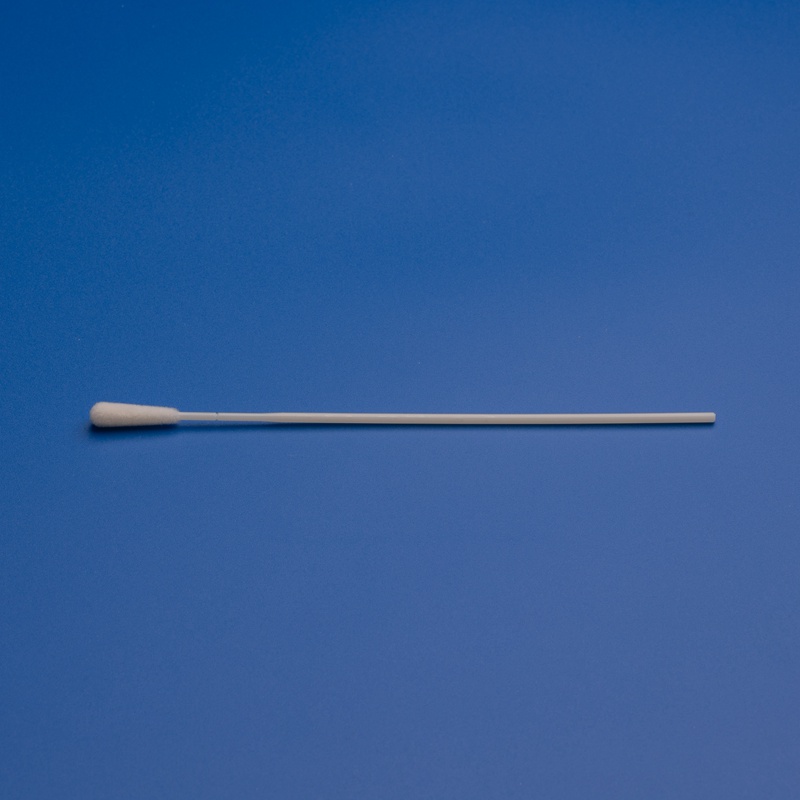
| Flocked nasopharyngeal swab | Nylon flocked tip with ABS or polystyrene shaft | High sample release and uniform collection | May cost more than spun fiber alternatives | Hospitals and reference laboratories |
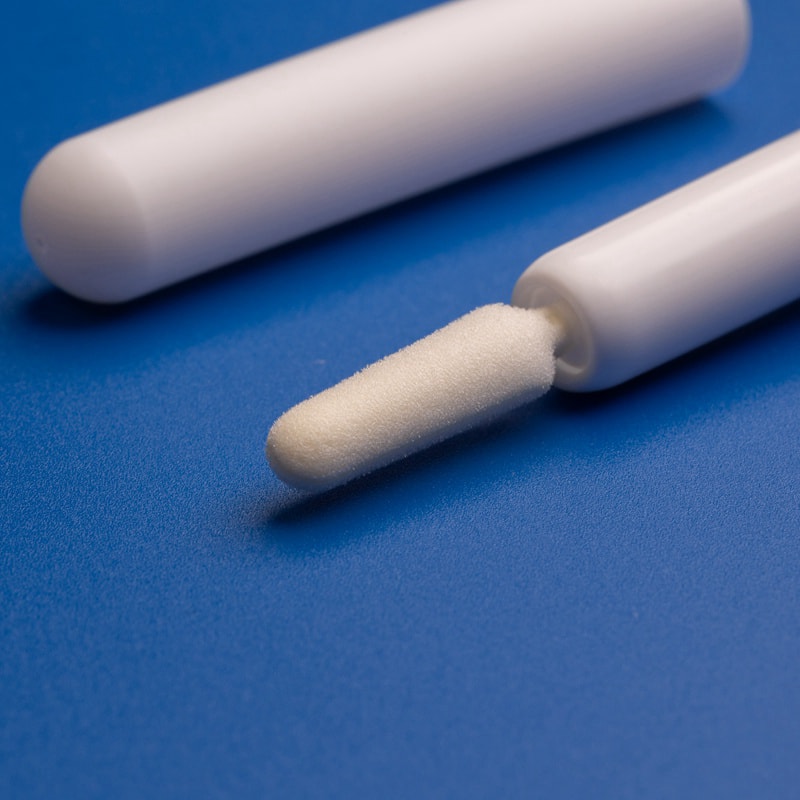
| Mini-tip flexible swab | Flocked or foam tip with flexible shaft | Better navigation and patient comfort in deep sampling | Protocol-specific validation still required | ENT and infectious disease sampling |
| Rayon or polyester microbiology swab | Fiber wrapped tip on plastic or wire shaft | Familiar and often lower cost | May release less material than flocked designs | Routine microbiology and lower-budget programs |
| Swab with transport medium kit | Flocked or fiber swab plus medium tube | Simplifies standardized collection and transport | Higher total kit cost and storage considerations | Field collection and multi-site surveillance |
| Dry sterile swab | Flocked, polyester, or rayon tip | Easy to stock and useful where protocol permits dry transport | Not suitable for every workflow | Short transport chain environments |
| Breakpoint swab for tube insertion | Engineered plastic shaft with scored breakpoint | Improves handling in closed transport tubes | Requires exact size matching to transport format | Central labs and organized surveillance programs |
The main takeaway is that a buyer should not begin with price alone. The correct selection depends on the test protocol, transport conditions, laboratory method, and required documentation. Flocked options are especially common when recovery efficiency matters, which is why they are widely considered for carrier detection workflows.
Industry Demand by End-Use Segment
Demand for swabs suitable for meningococcal testing comes from several sectors, each with different purchasing behavior. Public health and academic institutions usually care most about validation and traceability, while hospital systems also emphasize supply reliability and purchasing contracts.
The bar chart shows that public health laboratories lead demand because meningococcal carriage testing is often tied to surveillance, outbreak investigation, and targeted screening. Hospitals remain important buyers, but many only procure such swabs intermittently unless they maintain infectious disease research or high-volume microbiology departments.
Buying Advice for U.S. Procurement Teams
For buyers in the United States, a sound purchasing decision starts with application mapping. Ask whether the swab will be used for direct culture, molecular detection, carriage surveillance, outbreak response, or combined workflows. These distinctions affect whether you need a dry swab, a transport medium kit, a breakpoint shaft, or a very specific tip geometry.
Second, confirm material compatibility. Many labs prefer nylon flocked swabs because they balance collection and release well. However, some institutions still operate validated workflows built around polyester or rayon devices. Switching suppliers without checking SOP compatibility can create hidden revalidation costs that erase any apparent savings.
Third, assess packaging and throughput. Bulk-packed swabs may reduce unit cost but are not always ideal for decentralized collection sites. Individually wrapped sterile swabs improve handling in schools, clinics, and mobile teams. U.S. buyers managing regional operations from cities like Dallas, Phoenix, or Philadelphia often need mixed packaging configurations for different field scenarios.
Fourth, review documentation speed. In real procurement cycles, winning suppliers are often the ones who can quickly provide sterility method statements, shelf-life details, lot traceability, product specifications, and commercial paperwork for internal approval teams.
| Buying Factor | Why It Matters | What to Ask the Supplier | Risk if Ignored | Best Buyer Type |
|---|---|---|---|---|
| Tip material | Affects collection and release efficiency | Is the tip nylon flocked, foam, polyester, or rayon? | Weak sample recovery or protocol mismatch | All buyers |
| Sterility validation | Supports infection control and documentation | What sterilization method and validation records are available? | Audit failure or purchasing rejection | Hospitals and public labs |
| Transport compatibility | Ensures sample integrity from collection to lab | Which tubes or media systems fit the swab dimensions? | Specimen leakage or collection workflow failure | Field programs and distributors |
| Lead time | Critical for outbreak response and contract continuity | What are normal and surge production timelines? | Stockout during urgent demand | Public sector and multi-site systems |
| Regulatory documents | Needed for onboarding and risk review | Can the supplier provide FDA-related, ISO, CE, and technical files? | Delayed qualification | Distributors and brand owners |
| Private label flexibility | Important for distributors and own-brand programs | Do you offer OEM/ODM packaging and labeling? | Lost branding opportunities | Dealers and private-label buyers |
This table matters because U.S. buyers often focus too narrowly on price per swab. In practice, the total cost of ownership includes onboarding time, documentation handling, storage format, complaint response, and fulfillment risk. A slightly higher unit price may be justified if it reduces revalidation work and supply disruption.
Applications Across Industries
Nasopharyngeal swabs used for meningococcal testing are not limited to one segment. Their relevance extends into multiple institutions that need screening, surveillance, or research capabilities.
Public health agencies use them for outbreak control and carrier prevalence studies. Universities use them during cluster investigations, especially in dormitory settings where close contact raises concern about meningococcal spread. Hospitals rely on them for microbiology collection under specialist protocols. Military and training environments may use them in congregate settings. Contract research organizations and vaccine studies also need standardized swabs for observational or trial-related sample collection.
In all of these settings, product consistency matters because sample variability can compromise interpretation. That is why experienced buyers often shortlist only suppliers with stable manufacturing controls, a clear change-management policy, and broad delivery coverage.
Trend Shift in Product Preference
Over the last several years, the market has gradually shifted toward higher-specification swab formats, particularly flocked sterile models with stronger documentation. This is not only a quality trend but also a procurement efficiency trend, as better-defined products reduce qualification uncertainty.
The area chart highlights the shift toward flocked products for specialized microbiology and molecular workflows. The increase reflects both performance expectations and a broader move toward standardized, auditable consumables in U.S. laboratory procurement.
Real-World Use Cases and Case Studies
A Midwestern university responding to a suspected dormitory cluster may need individually packaged sterile swabs that can be distributed quickly to campus health teams and returned to a partner laboratory. In this setting, procurement speed, clear labeling, and transport compatibility matter more than the absolute lowest unit cost.
A state public health laboratory in the Southeast may prioritize long-run supply continuity for periodic surveillance. This buyer is likely to compare lot consistency, technical file completeness, and the ability to replenish inventory through a regional distributor serving Atlanta, Jacksonville, and surrounding states.
A hospital network in California may want one supplier for multiple respiratory and microbiology collection applications. Here, the winning vendor often offers portfolio breadth, stable warehousing near West Coast logistics hubs, and account support that can coordinate with laboratory directors and central supply teams.
A contract research organization in Boston may prefer private-label or study-specific packaging. In such cases, labeling accuracy, barcode options, and batch traceability can be just as important as the swab design itself.
Supplier Comparison by Operational Criteria
The next table compares common supplier profiles across factors that matter in actual U.S. procurement discussions. This is not a ranking of quality alone; it is a framework for matching supplier style to buyer needs.
| Supplier | Documentation Strength | Customization | Distribution Reach | Typical Pricing Position | Operational Advantage |
|---|---|---|---|---|---|
| Puritan Medical Products | High | Moderate | High in the U.S. | Mid to upper-mid | Domestic familiarity and broad procurement acceptance |
| Copan Diagnostics | High | Moderate | High in lab channels | Upper-mid | Flocked swab recognition and microbiology credibility |
| Thermo Fisher Scientific | High | Moderate | Very high | Mid to upper | Portfolio convenience for large accounts |
| Hardy Diagnostics | High | Low to moderate | Strong in lab segments | Mid | Microbiology workflow fit |
| Cardinal Health | Moderate to high | Low | Very high | Mid | National logistics and hospital channel strength |
| Qualified international OEM manufacturer | Varies, often high with proper certifications | High | Depends on U.S. channel partner setup | Cost-competitive | Private label flexibility and strong cost-performance |
This comparison helps buyers decide whether they need a household domestic brand, a specialist microbiology partner, or a certified OEM supplier capable of supporting their own brand strategy. For many distributors and wholesalers, the last option is increasingly relevant because margin control and packaging differentiation are central to growth.
Our Company
As a manufacturer serving the United States market, Hanheng Medical positions its nasopharyngeal and diagnostic sampling products around measurable production strength rather than generic claims. Founded in 2018, the company operates a 32-acre manufacturing base with a 10,000 square meter Class 100000 cleanroom and integrated injection molding, automated flocking, and EO sterilization processes designed to keep swab dimensions, tip uniformity, and contamination control consistent at scale. Its product and quality framework is backed by ISO9001, ISO13485, EU CE including TUV-CE and MDR, U.S. FDA-related approval status, UK MHRA registration, and NMPA credentials, which gives U.S. buyers concrete documentation for onboarding and audit review. For cooperation, the company serves distributors, dealers, hospitals, government buyers, brand owners, and other procurement groups through direct export manufacturing, high-volume wholesale, OEM/ODM labeling and packaging, and regional distribution discussions, allowing both established medical supply firms and newer private-label programs to source flexibly. With more than 1000 employees, a technical management team of around 100 people, annual output value near 1 billion yuan, and exports reaching over 130 countries with nearly 6 billion units shipped, it brings visible production authority and experience. U.S.-focused buyers can review the company background via the company overview, explore applicable collection products through the product catalog, and use the U.S. inquiry channel for pre-sale specification matching, technical files, batch documentation, packaging support, and after-sales response tied to long-term supply cooperation rather than one-off remote export transactions.
Why International Suppliers Are Gaining Share in the United States
Many U.S. buyers now maintain at least one international source alongside domestic supply. The reason is not simply price. It is a broader procurement strategy built around redundancy, custom packaging, and better control of distributor margins. When a certified overseas manufacturer can show cleanroom production, sterility control, scalable flocking capacity, traceability, and practical documentation support, the qualification barrier is much lower than it was several years ago.
This is especially true for distributors in states with strong import-linked supply chains such as California, Texas, New Jersey, Georgia, and Florida. Ports and inland logistics networks make it easier to combine direct import planning with domestic fulfillment. For buyers able to forecast demand, international procurement can provide meaningful savings without sacrificing specification quality.
Comparison of Product Attributes Buyers Should Benchmark
Even when comparing two flocked nasopharyngeal swabs, differences in manufacturing control can affect handling and laboratory performance. The table below offers a practical benchmarking checklist.
| Attribute | Entry-Level Option | Preferred Option for Specialized Testing | Why It Matters | Buyer Impact |
|---|---|---|---|---|
| Tip design | Basic fiber wrap | Uniform nylon flocking | Influences sample uptake and release | Better test consistency |
| Shaft performance | Generic plastic | Engineered flexible shaft with stable breakpoint | Affects collection ease and tube fit | Lower handling failure rate |
| Sterility control | Basic claim only | Validated EO sterilization with records | Supports auditability and patient safety | Faster qualification |
| Packaging | Bulk standard pack | Individually packed or study-specific configuration | Shapes workflow and infection control handling | Operational efficiency |
| Traceability | Limited lot detail | Batch-level documentation and retention samples | Crucial for complaints and recalls | Lower compliance risk |
| Support model | Sales-only contact | Pre-sale technical review plus after-sales response | Improves onboarding and troubleshooting | Reduced procurement friction |
This benchmarking table is particularly useful for U.S. distributors and sourcing managers building a shortlist. It translates technical detail into purchasing outcomes, making it easier to compare offers that may appear similar on paper.
Applications by Industry Segment
Healthcare systems use these swabs for targeted microbiology collection and infection surveillance. Universities and schools use them for cluster response, especially where students live in group housing. Public health agencies rely on them for carrier studies and outbreak management. Biotechnology and vaccine research organizations use them for protocol-defined specimen collection. Contract labs need them when supporting external studies or public sector testing. International aid and government procurement organizations may also source such products for preparedness stockpiles based in U.S. warehouses.
Each of these segments values something different. Healthcare systems emphasize vendor consistency. Universities prioritize rapid deployment and manageable packaging. Research organizations need study documentation. Government buyers focus on audit readiness and volume assurance. The best supplier is therefore the one aligned with the actual operating model of the buyer, not necessarily the supplier with the broadest general catalog.
Local Supplier Landscape and Regional Considerations
The United States does not function as a single uniform purchasing zone. Buyers in New England may work through established laboratory distributors near Boston or New York, while Gulf Coast buyers may prefer vendors with logistics routes through Houston and nearby warehousing. West Coast procurement often favors suppliers that can replenish efficiently through Los Angeles, Long Beach, Oakland, or regional fulfillment centers in Southern California and Nevada.
Regional service matters because specialized sampling products are often needed quickly. A supplier may have a strong national brand but still offer slower response in certain states. Conversely, a smaller specialist may excel if it understands local lab networks. Buyers should therefore ask not only where a company is headquartered but how it actually fulfills orders into their region, who handles technical questions, and what backup stock strategy exists.
Future Trends for 2026
Looking toward 2026, three trends are likely to shape the market for nasopharyngeal swabs meningococcal testing in the United States.
The first is technical refinement. Buyers will continue moving toward swabs with more consistent tip geometry, clearer transport compatibility, and stronger evidence packages. Even in non-mass-market applications, labs increasingly prefer products that reduce variation and support standardized reporting.
The second is policy and preparedness alignment. U.S. institutions are likely to maintain stronger stock planning and multisource procurement than in the past. Public health funding may fluctuate, but laboratory resilience is now a procurement principle rather than a temporary reaction. That benefits suppliers able to guarantee continuity, documentation speed, and flexible volume commitments.
The third is sustainability. Medical consumables are still largely single-use, but buyers are starting to ask more questions about packaging efficiency, carton optimization, waste reduction, and freight planning. Suppliers that can reduce excess packaging, improve case-level logistics, and offer transparent manufacturing controls may gain an advantage, especially with large health systems and public institutions.
Frequently Asked Questions
Are nasopharyngeal swabs always required for meningococcal carrier testing?
Not always. The exact specimen type depends on the testing protocol used by the laboratory or public health program. Buyers should confirm the required swab format and anatomical collection site before ordering.
Why are flocked swabs often preferred?
Flocked swabs are often preferred because they can improve sample collection and release consistency compared with some traditional fiber-wrapped designs. This can be helpful in specialized microbiology and molecular workflows.
What documents should a U.S. buyer request from a supplier?
At minimum, request product specifications, sterility information, shelf-life details, lot traceability, packaging configuration, and any applicable quality and regulatory documentation used in supplier qualification.
Can private-label distributors source these swabs from overseas manufacturers?
Yes. Many distributors and brand owners in the United States use certified overseas manufacturers for OEM or ODM supply, especially when they need custom labeling, packaging flexibility, and better cost control.
How important is local after-sales support?
It is very important. Even if the product itself is straightforward, buyers need fast answers on complaints, batch questions, replacement policy, and replenishment scheduling. Strong support reduces procurement risk.
What is the most common mistake when sourcing swabs for meningococcal workflows?
The most common mistake is buying a swab based only on price or generic respiratory labeling without confirming laboratory protocol compatibility, transport fit, and documentation requirements.
Final Takeaway
For U.S. buyers evaluating nasopharyngeal swabs meningococcal testing options, the best procurement strategy is to match product type, documentation level, and service model to the actual testing workflow. Domestic suppliers such as Puritan Medical Products, Copan Diagnostics, Thermo Fisher Scientific, Hardy Diagnostics, Cardinal Health, and BD remain highly relevant, especially for fast qualification and wide distribution. At the same time, certified international manufacturers with proven export scale, cleanroom-controlled flocking production, flexible OEM/ODM capabilities, and responsive U.S.-oriented support are increasingly practical choices for distributors, healthcare networks, and public-sector buyers seeking dependable cost-performance.
The comparison chart reinforces a common procurement reality in the United States: domestic suppliers usually lead in immediate logistics familiarity, while qualified international OEM manufacturers often stand out in customization and cost efficiency. For many buyers, the optimal solution is a dual-source strategy that combines domestic continuity with international flexibility.

Jiangsu Hanheng Medical Technology Co., Ltd.
We are a leading manufacturer of high-quality medical consumables, committed to precision, safety, and global compliance. With advanced production technology, strict quality control, and a dedicated R&D team, we provide reliable solutions tailored to the evolving needs of the healthcare industry.

.jpg)