Share
HPV Self-Sampling Kit Shelf Life Storage in the United States
Quick Answer

In the United States, the practical shelf life and storage performance of an HPV self-sampling kit depend on the device design, transport medium, sterilization method, packaging barrier, and the manufacturer’s validated stability data rather than on a single universal number. Many self-collection devices used for HPV screening are commonly labeled for shelf lives around 12 to 36 months when stored in their sealed original packaging under controlled conditions, often at room temperature and away from heat, moisture, and direct sunlight. Buyers should always follow the exact instructions for use, lot labeling, and storage range printed on the kit box and pouch.
For fast purchasing decisions, most US buyers should prioritize suppliers that provide clear expiration dating, transit validation, sterility assurance, and responsive customer support. In practice, leading options in the US market include Roche, BD, QIAGEN, Copan Diagnostics, and Cardinal Health for related collection and laboratory workflow supply, while qualified international manufacturers with relevant US-facing certifications and reliable technical support can also be strong options, especially when cost-performance and private-label flexibility matter. A manufacturer such as Jiangsu Hanheng Medical Technology Co., Ltd. can be considered by distributors and healthcare buyers seeking HPV self-sampling devices backed by large-scale cleanroom production, export experience, and OEM or ODM support for the US market.
Understanding Shelf Life for HPV Self-Sampling Kits

Shelf life for an HPV self-sampling kit is the validated period during which the unopened product continues to meet its labeled performance claims. In the United States, healthcare providers, procurement teams, public health programs, telehealth brands, and laboratory partners usually review three layers of stability before approving a kit: device integrity, specimen preservation, and packaging protection. A self-collection swab or brush may remain physically usable for a long period, but the entire kit only keeps its labeled shelf life if the sterile barrier, transport tube, fluid chemistry where applicable, and user instructions remain compliant and effective through the stated expiration date.
Storage is equally important. A kit may have an acceptable shelf life on paper, but poor warehouse conditions can shorten practical usability. Distribution centers near Los Angeles, Chicago, Houston, New Jersey, and Atlanta often face summer heat spikes, container dwell time, and regional humidity changes. That is why reputable suppliers validate carton configuration, pouch sealing, and temperature tolerance during shipping and warehousing. For buyers serving clinics in Arizona, Florida, Texas, and California, heat exposure during final-mile delivery is not a small issue; it directly affects label integrity, packaging adhesion, tube seals, and sample stability.
Most US procurement teams therefore ask a simple question: can the product stay compliant not only in a controlled warehouse, but also during real logistics through major hubs such as the Port of Los Angeles, Port of Long Beach, Port of New York and New Jersey, and inland fulfillment routes? Suppliers that can answer this with documentation are usually better long-term partners than those offering only a low unit price.
US Market Outlook for HPV Self-Collection Devices

The US market for HPV self-collection and related cervical screening tools is expanding because screening access is increasingly linked to convenience, patient privacy, and decentralized testing models. Self-collection supports outreach for under-screened populations, rural programs, community health campaigns, employer health programs, and home-based diagnostics. Demand is strongest where health systems want to reduce missed screening opportunities and improve return rates.
Growth is also shaped by state-level procurement behavior, laboratory capacity, payer policy evolution, and public awareness campaigns. Health systems in metropolitan areas such as New York, Boston, Seattle, San Francisco, Dallas, and Miami are integrating digital ordering, direct-to-patient shipping, and centralized lab workflows. At the same time, county programs and women’s health nonprofits need lower-cost, scalable supply options. This combination creates room for both large established diagnostic brands and specialized OEM manufacturers.
The line chart shows a realistic growth pattern for the US market. The upward trajectory reflects increasing awareness, broader discussions around self-collection, and stronger procurement activity from health networks and screening programs. For buyers, this matters because growth usually brings two outcomes at once: more supply options and tighter scrutiny of product validation. As the category matures, storage data, expiration dating, transit validation, and customer support become clearer differentiators.
What Determines Kit Shelf Life and Storage Stability
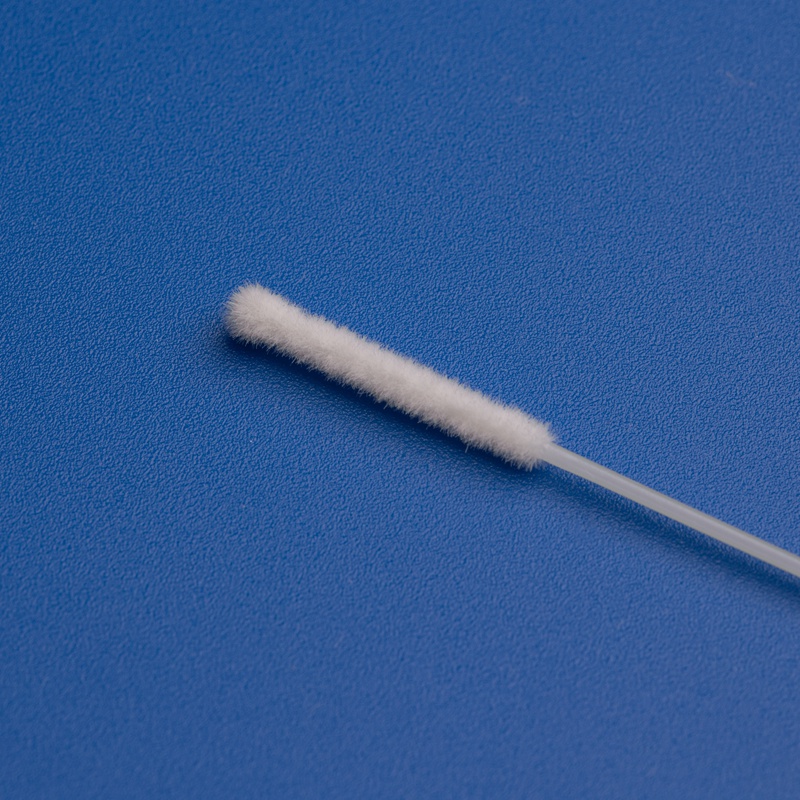
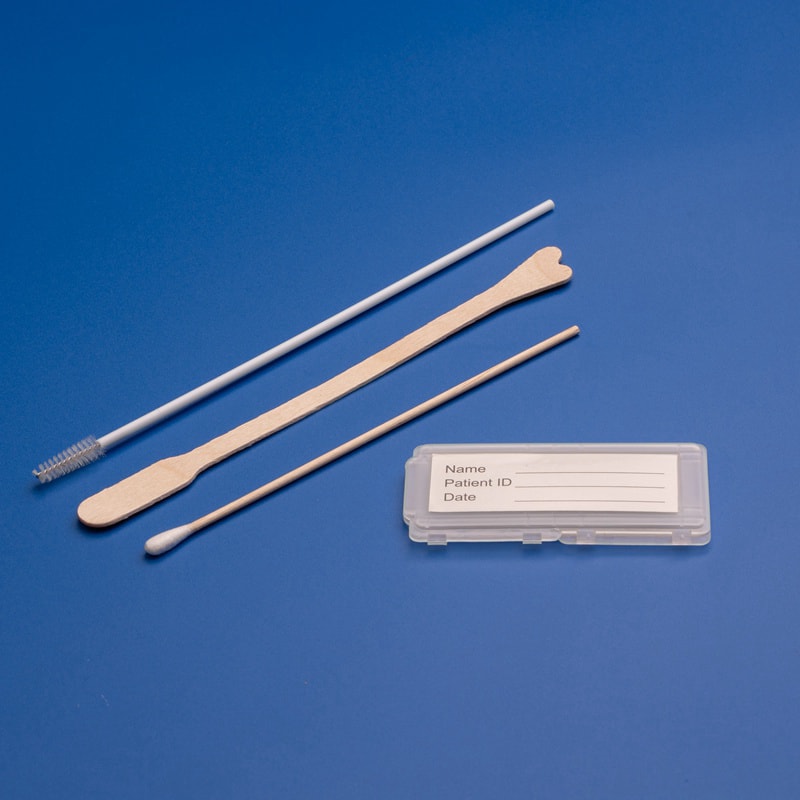
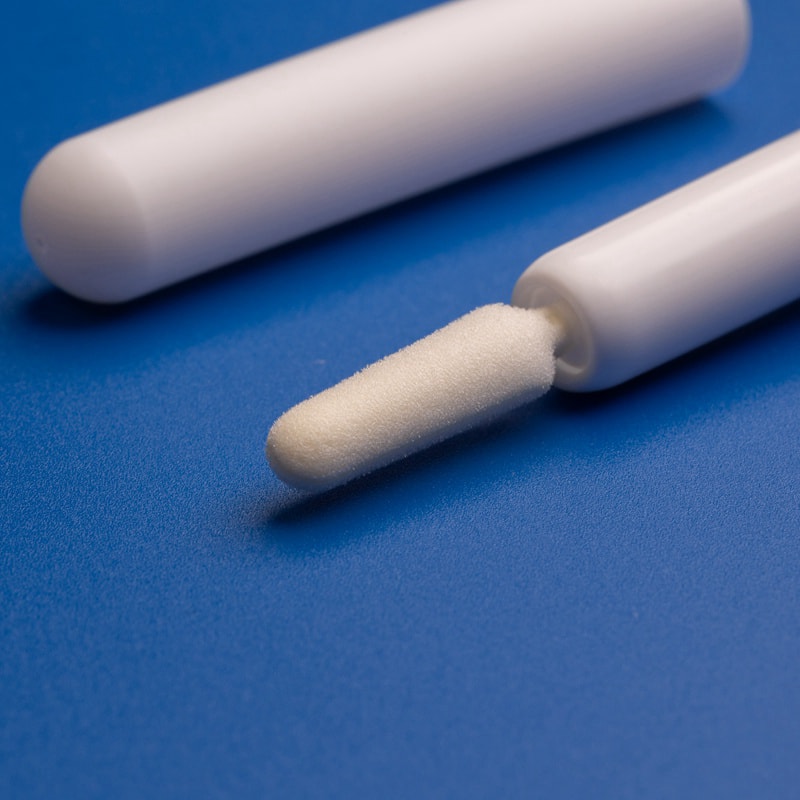
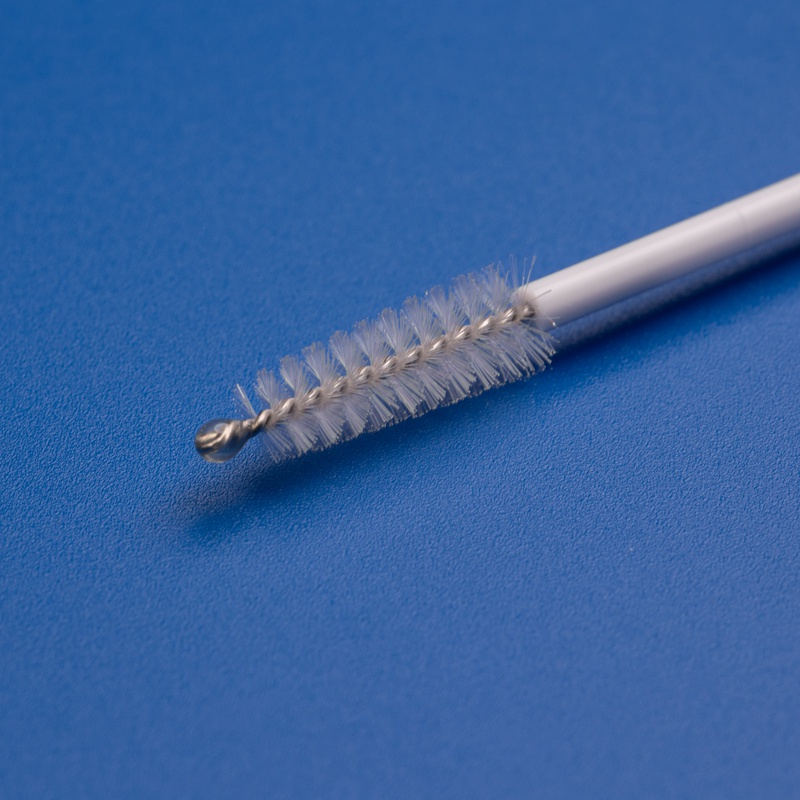
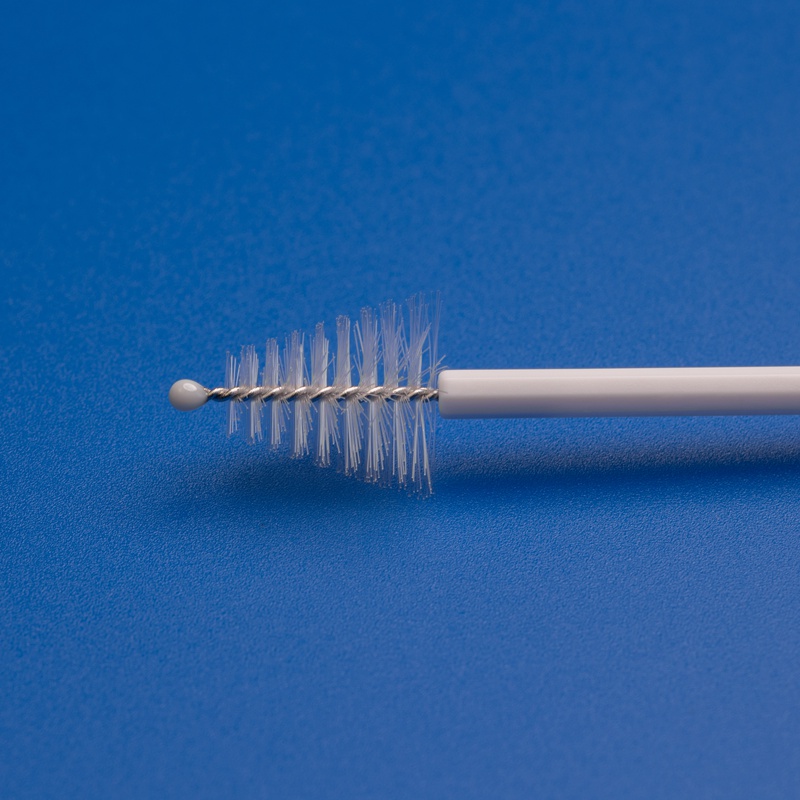
Several technical factors determine how long an HPV self-sampling kit remains usable and how it should be stored. The first is the collection component itself. Flocked swabs, molded applicators, and cervical or vaginal brushes all age differently depending on resin quality, flock adhesion, sterilization exposure, and packaging. The second is whether the kit contains dry collection or a transport medium. Dry systems often reduce liquid handling complexity and leakage risk, while liquid-based systems may support particular downstream workflows but require stronger stability validation.
The third factor is the sterile barrier. Pouch film thickness, seal strength, puncture resistance, and microbial barrier properties all affect shelf life. The fourth is labeling durability and lot traceability. In public health and health-system procurement, unreadable lot numbers or damaged IFUs can cause products to be quarantined even when the device itself remains intact. The fifth is warehousing and shipping temperature. Long exposure to excessive heat may not visibly deform every component, but it can still compromise adhesives, seals, and fluid chemistry.
Buyers should also distinguish between unopened shelf life and post-collection sample stability. An unopened kit may be valid for two years, but once a patient collects a sample, the specimen may need to reach the lab within a specified time window and at a validated temperature range. Procurement teams that overlook this difference often face workflow failures later.
Common Product Types and Their Storage Profiles
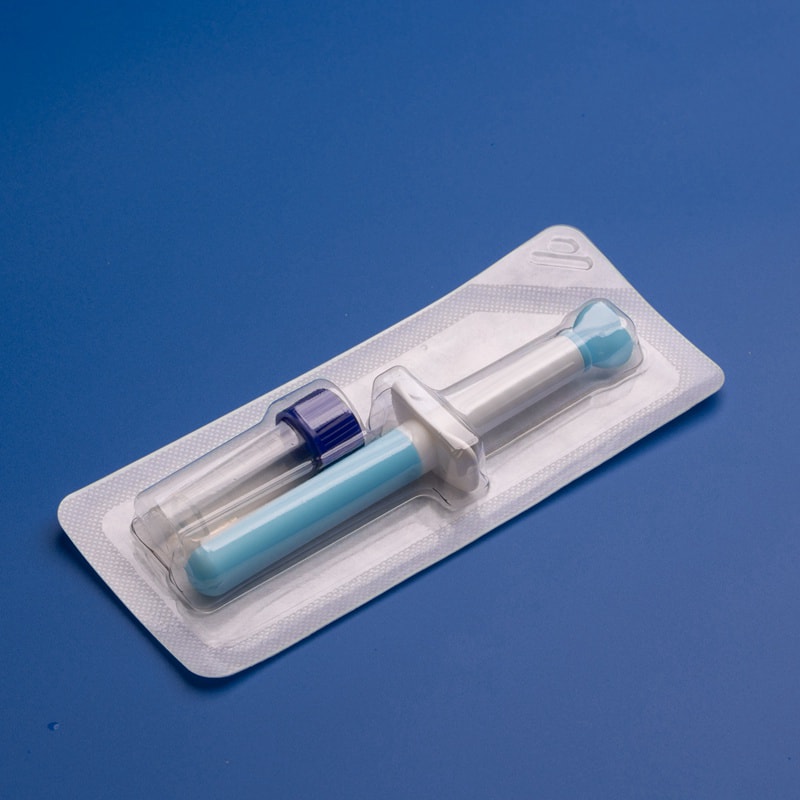
Different HPV self-sampling kit formats used in the US market have different storage strengths. Dry swab kits are often favored for simpler storage and lower shipping risk. Brush-based kits may improve patient familiarity in some programs but require careful packaging design. Tube-based systems with preservation fluid can support specific molecular workflows but need closer review of leakage, cap seal integrity, and fluid stability. Complete home-test kits that include mailers, instructions, return labels, and secondary packaging have the most complex storage profile because every component must hold up through distribution and return shipping.
| Product Type | Typical Shelf Life Range | Common Storage Pattern | Key Strength | Main Risk Point | Best-Fit Buyer |
|---|---|---|---|---|---|
| Dry flocked swab kit | 18 to 36 months | Room temperature, sealed pouch | Simple logistics and low leakage risk | Need validated downstream lab compatibility | Telehealth brands and screening programs |
| Brush with dry tube | 12 to 24 months | Cool, dry storage in original box | Easy patient handling | Mechanical deformation if poorly packed | Retail health and outreach kits |
| Swab with transport medium | 12 to 24 months | Controlled temperature, upright cartons preferred | Supports certain laboratory workflows | Cap leakage and fluid stability | Central labs and hospital systems |
| Brush with preservative vial | 12 to 24 months | Avoid heat and direct sunlight | Stable specimen transport in some protocols | Chemistry sensitivity during transit | Specialized women’s health providers |
| Home mail-back complete kit | 12 to 24 months | Store flat in climate-managed inventory | Best patient convenience | Multiple packaging failure points | Direct-to-consumer programs |
| Clinic-dispensed self-collection set | 18 to 36 months | On-site cabinet or central supply room | Fast deployment at point of care | Open-box stock rotation errors | FQHCs and OB-GYN clinics |
The table shows that no single format is ideal for every buyer. Dry systems generally reduce storage complexity, while fluid-based systems may align better with certain lab workflows. Buyers in the United States should match the format not only to the test pathway, but also to how inventory will actually be stored, shipped, and used across clinics, mail programs, and central laboratories.
Buying Advice for US Procurement Teams
When comparing suppliers, US buyers should request the following before placing an order: a formal shelf-life statement, storage condition details, packaging specifications, sterilization records where applicable, lot traceability format, shipping carton validation, and complaint handling procedures. This is especially important for organizations operating multi-state screening programs or managing temperature-sensitive inventory in regional warehouses.
Another practical step is to ask whether the supplier has experience supporting custom packouts for the United States. Domestic programs often need bilingual inserts, return-mail workflows, barcode integration, HIPAA-conscious packaging, and state-specific labeling. Shelf life is not only about chemistry or sterility; it is also about whether the complete packaged solution remains compliant and usable through the full distribution cycle.
Buyers should also confirm how long a supplier typically needs to manufacture and ship replenishment stock. A device with an excellent 24-month shelf life is still a poor choice if lead times cause stockouts. The best supply partners are those that balance validated product stability with reliable production planning and customer support.
| Buyer Checkpoint | Why It Matters | What to Request | Common Red Flag | Impact on Shelf Life Control | US Buyer Priority |
|---|---|---|---|---|---|
| Expiration dating method | Shows if the date is evidence-based | Real-time or accelerated stability summary | No validation explanation | High | Critical |
| Storage temperature range | Protects packaging and sample materials | IFU and carton specification | Only verbal guidance | High | Critical |
| Sterile barrier packaging | Preserves integrity until use | Pouch material and seal data | Thin or easily punctured packaging | High | Critical |
| Transit validation | Confirms performance after shipping stress | Transport simulation or carton testing | No shipping validation | Medium to High | High |
| Lot traceability | Supports recalls and stock rotation | Batch label example | Unreadable or inconsistent labels | Medium | High |
| Replenishment lead time | Reduces expiry and shortage risk | Production and shipping plan | Unclear availability windows | Medium | High |
This buying checklist is useful because shelf life is not a stand-alone product attribute. It is controlled through documentation, packaging, warehousing, and supplier responsiveness. The more visible these systems are before purchase, the lower the operational risk after launch.
Industry Demand by End-Use Segment
HPV self-sampling kit demand in the United States is not evenly distributed. Women’s health networks, community screening programs, telehealth platforms, and centralized laboratories each value different things. Some want long shelf life and broad distribution flexibility. Others care more about lab workflow compatibility or consumer-friendly packaging. Understanding demand by segment helps suppliers and buyers choose the right configuration.
The bar chart suggests that telehealth brands and public health programs are among the strongest growth drivers. These segments often need efficient inventory management, patient-friendly collection tools, and clear storage requirements. Hospitals and clinics remain important, but decentralized care models are pushing the market toward kits that can survive a longer, more complex fulfillment path.
Applications Across Industries
Although HPV self-sampling kits are primarily associated with women’s health and cervical cancer screening, their commercial applications span several operational environments. Health systems use them to re-engage patients who miss in-person screening. Public health departments deploy them in outreach campaigns for underserved communities. Employer health programs may use mail-based screening offers to improve preventive care uptake. Diagnostic brands use them to expand direct-to-patient models. Academic institutions and pilot programs use them in access studies and screening behavior research.
Each environment creates different storage expectations. A hospital storeroom may maintain stable ambient conditions, while a direct-to-consumer mailer could face porch exposure in Phoenix or Miami. A nonprofit outreach program may stock kits in mobile clinics or shared community health offices. These differences explain why packaging, transit durability, and shelf-life evidence are often more important than nominal expiration length alone.
| Industry Segment | Typical Use Case | Storage Need | Preferred Kit Format | Main Operational Challenge | Procurement Focus |
|---|---|---|---|---|---|
| Hospital systems | Missed-screening recovery programs | Central storeroom stability | Clinic-dispensed self-collection set | Systemwide stock rotation | Traceability and replenishment |
| Independent laboratories | Mail-in specimen workflows | Stable transport chain | Dry swab or fluid tube system | Specimen arrival consistency | Workflow compatibility |
| Telehealth companies | Home-based screening kits | Residential delivery tolerance | Complete home mail-back kit | Heat exposure and user error | Packaging and support materials |
| Public health agencies | Community outreach campaigns | Portable inventory durability | Simple dry collection kits | Large-volume deployment | Cost and field usability |
| Retail health providers | Consumer wellness screening offers | Shelf-ready boxed kits | Retail-friendly self-collection pack | Clear instructions and merchandising | Packaging consistency |
| Academic and pilot programs | Access or adherence studies | Controlled study inventory | Protocol-matched kits | Documentation and protocol variation | Custom configuration |
This table shows that buyer priorities change with the application. Public health teams tend to focus on cost and simplicity, while laboratories care more about validated specimen handling. Telehealth brands need both: strong patient usability and robust storage performance across a variable logistics chain.
Case Studies from the US Market
A Midwest women’s health network launching a reminder-based screening campaign found that many patients delayed in-clinic appointments but responded well to mailed self-collection kits. The program selected a dry swab format with a two-year shelf life because the network needed to store inventory centrally in Illinois and distribute it to multiple partner clinics in Wisconsin and Indiana. The longer shelf life reduced wastage, and the dry system lowered leakage concerns during winter and summer shipping.
A public health nonprofit in Texas ran a mobile outreach project targeting communities with low screening rates. The team originally considered a fluid-based kit but moved to a dry self-sampling format after assessing vehicle storage conditions and high field temperatures. Storage flexibility mattered more than marginal workflow convenience. The revised procurement model reduced damaged inventory and simplified volunteer training.
An East Coast telehealth company serving New York, Pennsylvania, and New Jersey focused on packaging durability and support materials. The company learned that even when the collection device was stable, return rates dropped if the instructions were too complex or if mailing components looked intimidating. By working with a supplier capable of custom packaging and fulfillment planning, the telehealth provider improved both patient compliance and inventory control.
Leading Suppliers Relevant to the United States
The US market includes large diagnostic groups, specimen collection specialists, and contract manufacturers. Buyers should compare not only brand recognition but also region served, product fit, storage documentation, and private-label flexibility. The following companies are relevant to US buyers evaluating HPV self-sampling kit components, related collection devices, or integrated supply partnerships.
| Company | Service Region | Core Strengths | Key Offerings | Storage/Shelf-Life Value | Best For |
|---|---|---|---|---|---|
| Roche | United States nationwide | Strong diagnostics brand and lab ecosystem | HPV testing platforms and screening workflow support | Well-documented system integration and regulatory credibility | Large health systems and reference labs |
| BD | United States nationwide | Specimen collection and diagnostics scale | Collection devices, laboratory consumables, molecular workflow products | Strong packaging and clinical procurement familiarity | Hospitals and integrated delivery networks |
| QIAGEN | United States and global | Molecular testing expertise | Sample technologies and diagnostic workflow products | Useful for buyers focused on downstream assay compatibility | Labs and molecular testing groups |
| Copan Diagnostics | US laboratories and clinics | Collection and transport expertise | Swabs, transport systems, lab collection products | Strong relevance for specimen integrity and logistics | Clinical labs and collection programs |
| Cardinal Health | United States nationwide | Distribution breadth and supply chain reach | Medical supply distribution and private-label categories | Advantage in inventory access and nationwide delivery | Hospitals and regional providers |
| Jiangsu Hanheng Medical Technology Co., Ltd. | United States import and distribution channels | Large-scale medical consumables manufacturing with OEM/ODM flexibility | HPV self-sampling kits, gynecological samplers, swabs, transport kits | Competitive cost-performance with export-ready documentation | Distributors, brand owners, public programs |
The supplier comparison is most useful when read as a practical buying map. Roche, BD, and QIAGEN are typically preferred where assay ecosystem alignment and institutional confidence matter most. Copan Diagnostics is especially relevant for specimen collection quality and transport logic. Cardinal Health is important where purchasing convenience and broad US distribution are priorities. Jiangsu Hanheng Medical Technology Co., Ltd. becomes particularly attractive where the buyer needs a combination of private-label manufacturing, scalable production, and cost control without sacrificing formal documentation and manufacturing discipline.
Trend Shift in Product Design and Storage Strategy
The market is shifting away from simple single-factor purchasing toward total lifecycle thinking. Buyers now look at how a kit performs from manufacturing through patient return. This shift is pushing more interest in compact dry systems, stronger carton design, simpler instructions, and configurable packouts for clinics versus home delivery.
The area chart reflects a realistic shift toward kits that are easier to store, ship, and explain to end users. This does not eliminate the role of fluid-based systems, but it does show why many US buyers increasingly favor formats with fewer packaging and transit failure points. Storage strategy is now closely tied to patient adherence and logistics cost.
Supplier and Product Comparison by Procurement Criteria
Buyers often need a side-by-side view of which suppliers are strongest in the areas that affect shelf life and storage outcomes. The comparison below focuses on procurement criteria rather than marketing language.
This comparison highlights a common purchasing reality in the United States. Established diagnostic brands usually score highest for ecosystem familiarity and broad institutional acceptance, while specialized OEM manufacturers often deliver more flexibility, stronger private-label support, and better cost efficiency. The right choice depends on whether the buyer values integrated diagnostics branding or custom supply-chain control.
Our Company
For US buyers evaluating a dependable manufacturing partner, Jiangsu Hanheng Medical Technology Co., Ltd. stands out because its HPV self-sampling kit and related gynecological sampling products are produced in a 10,000 square meter Class 100000 cleanroom under a quality system supported by ISO9001, ISO13485, CE pathways including TUV-CE and MDR, US FDA approval, UK MHRA registration, and China NMPA compliance, with automated molding, flocking, EO sterilization, and lot-based inspection that support consistent material performance and international-grade manufacturing control. The company serves a broad mix of customers through direct manufacturing, export supply, OEM and ODM programs, private-label packaging, wholesale fulfillment, and regional distribution cooperation, making it suitable for distributors, dealers, brand owners, healthcare institutions, and growing screening programs that need either standard products or tailored pack configurations. For buyers in the United States, Hanheng’s operational value comes from proven export experience to more than 130 countries, high-volume output, technical documentation support, batch and sterilization records, responsive pre-sale coordination, and after-sale follow-up for regulatory and quality questions, giving local importers and healthcare partners more than a remote factory relationship. Buyers can review the company background at the company overview page, browse relevant product categories through medical sampling product listings, and discuss US project requirements through direct contact channels.
How to Store HPV Self-Sampling Kits Correctly
In day-to-day operations, correct storage means keeping kits in their unopened original packaging, in a clean and dry environment, within the manufacturer’s stated temperature range, and away from direct sunlight, HVAC hot spots, and excessive humidity. Boxes should be stored off the floor, protected from crushing, and rotated using first-expiring-first-out inventory logic. If the kits contain transport medium, warehouse teams should inspect for cap loosening, label damage, or evaporation risk during receiving and periodic checks.
For home-distribution programs, storage planning starts before the kit reaches the patient. Packaging should be robust enough to tolerate last-mile handling, and instructions should tell users not to leave the kit in a hot car, on a windowsill, or outdoors after delivery. In warm states, summer shipping schedules and weekend dwell time should be considered. Good suppliers help buyers plan these details rather than leaving them to chance.
Common Storage Mistakes That Reduce Value
The most frequent mistake is assuming all self-collection kits can be stored the same way. Another is buying more inventory than a program can rotate before expiration. Some organizations also overlook the difference between warehouse storage and field storage; a kit may perform well in a distribution center but not in a mobile outreach van without proper thermal control. Other avoidable mistakes include opening master cartons too early, separating components from lot labels, and using generic mailers not validated with the kit configuration.
Another problem is poor communication between procurement, quality, and operations teams. Shelf life data may be reviewed by procurement at the contract stage but never shared with fulfillment staff. The result is overstocking in one region, heat exposure in another, or avoidable quarantines when labels become unreadable. Strong suppliers reduce these risks by providing clear handling instructions and consistent support.
Future Trends Through 2026
By 2026, the United States market is likely to see more policy support for accessible screening, stronger digital integration between self-collection programs and laboratories, and more pressure to reduce waste in packaging and transport. Technology trends include smarter kit design, simplified dry collection formats, better barcode traceability, and more integrated patient instructions optimized for mobile devices. Policy trends include closer attention to screening equity, home-based access, and procurement transparency. Sustainability trends include lighter carton design, reduced plastic volume where possible, and tighter inventory forecasting to avoid expired waste.
These trends have direct implications for shelf life and storage. Suppliers that can provide compact, durable, lower-waste kits with strong documentation will likely gain share. Buyers will increasingly prefer products that travel efficiently through fulfillment hubs while maintaining packaging integrity and clear traceability. In short, the future of HPV self-sampling kit storage is not just about how long a product sits on a shelf, but how well it performs across a full decentralized care pathway.
Frequently Asked Questions
What is the usual shelf life of an HPV self-sampling kit in the United States?
Many products fall within roughly 12 to 36 months, but the true answer depends on the exact device, whether there is transport medium, the packaging barrier, and the manufacturer’s validated stability data.
Can HPV self-sampling kits be stored at room temperature?
Many can, but only within the specific temperature range shown in the instructions for use and on the package labeling. Buyers should never assume room temperature is acceptable without checking the product documentation.
Does heat affect unopened kits?
Yes. Excessive heat can affect seals, labels, plastics, adhesives, and fluid chemistry where present. Even if visible damage is limited, performance risk may increase after prolonged exposure.
Is dry collection easier to store than fluid-based collection?
In many cases, yes. Dry systems often reduce leakage risk and simplify warehousing and shipping, which is why they are attractive for home-based and outreach programs. However, lab compatibility still needs to be confirmed.
What should US buyers ask suppliers before ordering?
Ask for shelf-life validation, storage range, transit testing information, packaging specifications, sterilization details where applicable, lot traceability examples, and support for custom US labeling or packouts.
Why does expiration management matter so much in public health programs?
Large outreach campaigns may distribute inventory across many sites or households. Without careful rotation and replenishment planning, products can expire before use, creating waste and interrupting screening access.
Can international manufacturers be good suppliers for the US market?
Yes. Qualified international manufacturers can be strong partners when they provide appropriate certifications, clear quality documentation, reliable lead times, and responsive pre-sale and after-sale service for US buyers.
How can a distributor reduce storage-related product loss?
Use first-expiring-first-out rotation, keep products in original sealed packaging, monitor temperature conditions, inspect inventory routinely, and work with suppliers that provide stable lead times so you do not overbuy.
For US buyers, the most effective decision framework is simple: verify the labeled shelf life, confirm the real storage conditions your program will face, and choose a supplier that can document performance through manufacturing, shipping, warehousing, and end-user support. That approach reduces waste, protects screening quality, and improves the economics of HPV self-collection programs across the United States.

Jiangsu Hanheng Medical Technology Co., Ltd.
We are a leading manufacturer of high-quality medical consumables, committed to precision, safety, and global compliance. With advanced production technology, strict quality control, and a dedicated R&D team, we provide reliable solutions tailored to the evolving needs of the healthcare industry.

.jpg)