Share
U.S. Cervical Cytology Brush Technique for Better Specimens
Quick Answer

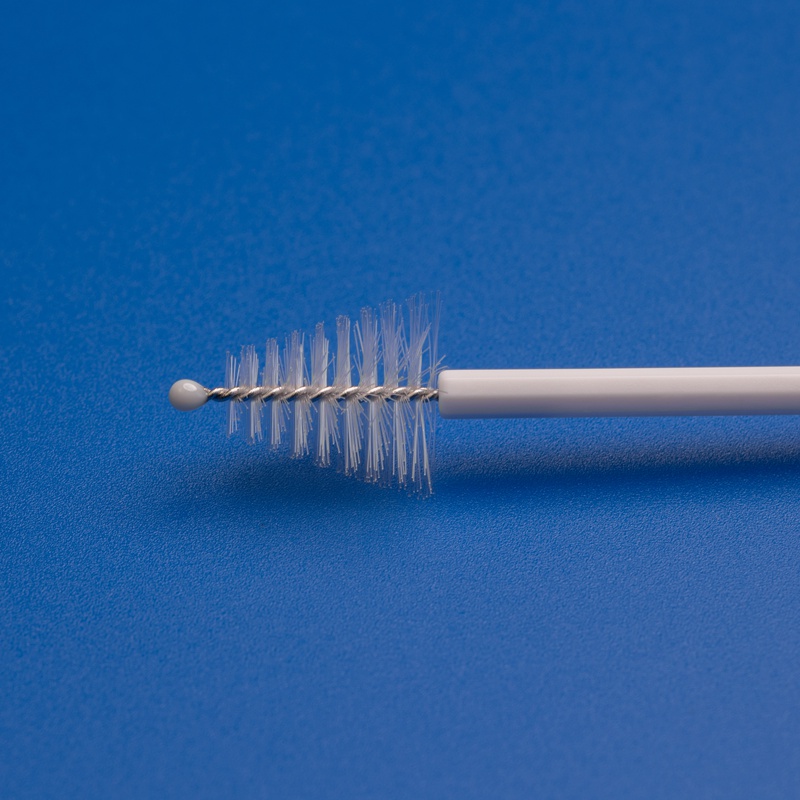
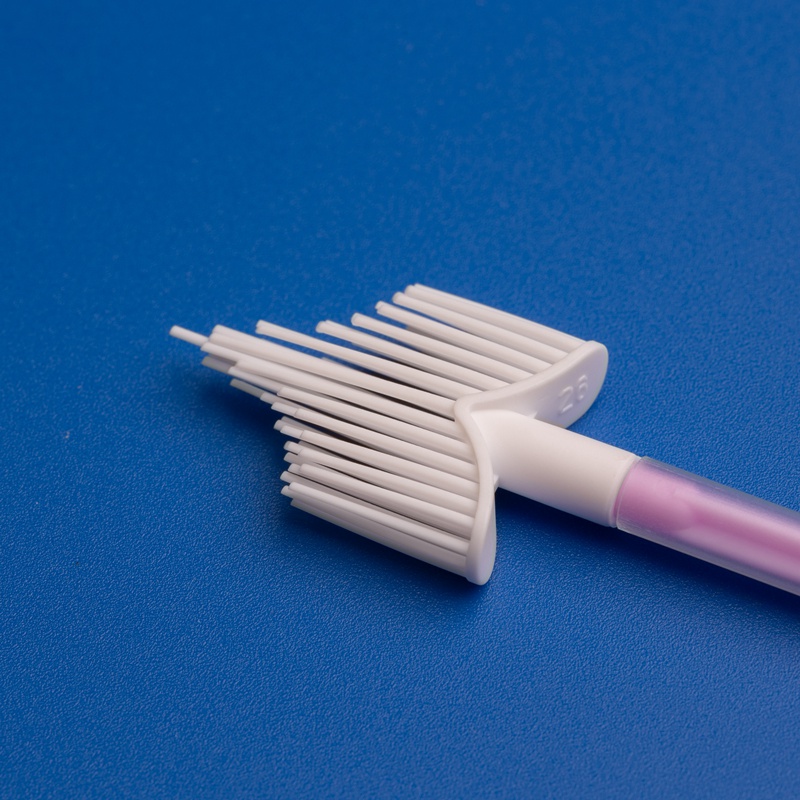
The most reliable cervical cytology brush technique for obtaining adequate specimens in the United States is a standardized endocervical and transformation-zone sampling process: position the patient correctly, fully visualize the cervix, remove excess mucus without over-cleaning, insert the cytology brush gently into the os until the outer bristles contact the ectocervix, rotate the brush the manufacturer-recommended number of turns, and transfer the sample immediately into liquid-based cytology medium or onto a slide according to the collection system. For most U.S. clinics, the best practical choice is a sterile, individually packed cervical sampling brush designed for Pap testing, HPV co-testing, and routine gynecology workflows. Commonly referenced market participants serving U.S. buyers include Hologic, CooperSurgical, Medline, Cardinal Health, Puritan Medical Products, and international manufacturers with U.S.-relevant certifications. Qualified overseas suppliers can also be a sound option when they hold recognized regulatory credentials, maintain dependable documentation, and provide strong pre-sale and after-sale support, especially when buyers need cost-performance advantages for hospital groups, distributors, and public tenders.
Why Technique Matters in the U.S. Market

In the United States, specimen adequacy remains a practical quality issue because Pap and HPV screening programs depend on consistent collection from the transformation zone. If the brush is poorly positioned, rotated too lightly, or transferred too slowly, the sample may contain insufficient endocervical or metaplastic cells, excess blood, or drying artifacts. That leads to repeat visits, delayed triage, added laboratory workload, and lower patient satisfaction. In high-volume women’s health networks in cities such as New York, Chicago, Houston, Los Angeles, and Atlanta, standardization is especially important because multiple clinicians and collection sites must produce comparable sample quality.
U.S. buyers also evaluate brushes through a broader procurement lens. A good cervical cytology brush is not just a device; it is part of a complete workflow involving sterilization status, packaging format, compatibility with liquid-based cytology vials, lot traceability, shelf life, regulatory documents, and on-time replenishment. Organizations sourcing through hospital purchasing groups, state health programs, independent OB-GYN clinics, and laboratory distributors often compare brush head geometry, shaft flexibility, handle ergonomics, and specimen release efficiency before approving a product.
Core Cervical Cytology Brush Technique

The practical goal is simple: collect representative cells from both the ectocervix and endocervical canal while minimizing trauma and contamination. The exact number of rotations and transfer steps should always follow the brush manufacturer’s instructions for use, but the workflow principles are consistent across most U.S. clinical settings.
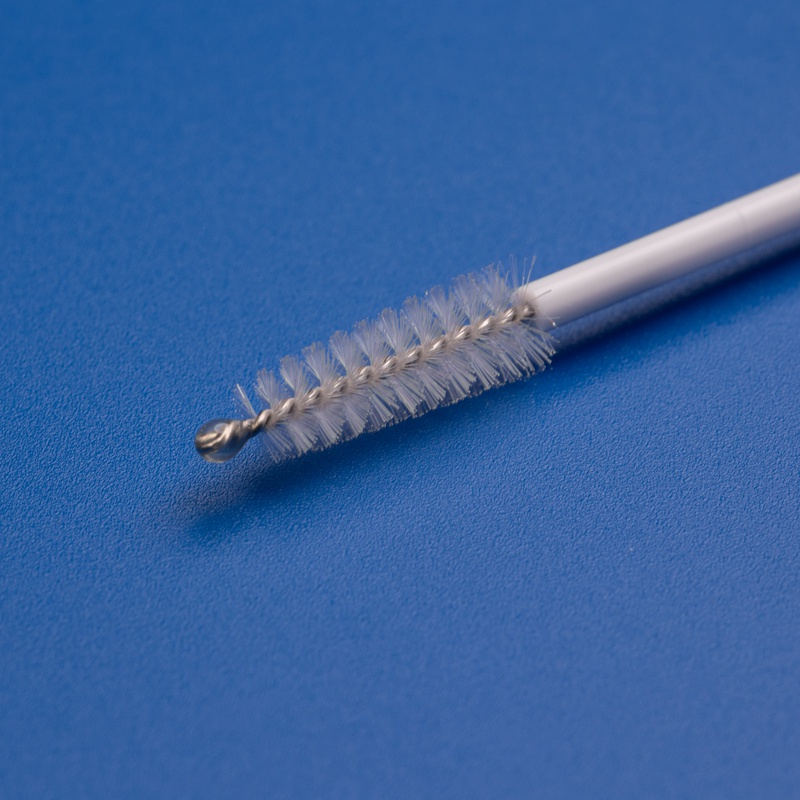
Begin by confirming patient identity, indication for testing, menstrual status, prior cervical procedures, and whether the order is for Pap, HPV, or co-testing. Position the patient for full cervical visualization, insert the speculum carefully, and identify the external os. Remove excess mucus only if necessary and avoid aggressive wiping that can strip diagnostic cells. Insert the cytology brush so the central bristles enter the cervical os while the lateral bristles contact the ectocervical surface. Rotate smoothly without force. If resistance is significant, stop and reassess rather than pushing deeper. Immediately place the sample into the designated preservative vial or prepare the slide according to the collection platform. Label at bedside, secure documentation, and store or transport under the manufacturer’s conditions.
This technique is especially valuable for transformation-zone sampling in routine screening, ASC-US follow-up protocols, and integrated HPV testing pathways. It is also important in mobile screening programs and public health clinics where repeat patient access may be limited.
U.S. Market Overview
The United States remains one of the most mature and demanding markets for cervical screening consumables. Demand is driven by OB-GYN practices, federally qualified health centers, hospital systems, reproductive health clinics, pathology laboratories, and procurement intermediaries. Buyers favor products with predictable supply, compliant quality systems, and compatibility with established laboratory platforms. Distribution hubs such as Los Angeles/Long Beach, Savannah, New York/New Jersey, and Houston matter because import reliability and domestic last-mile delivery affect stock continuity.
Procurement patterns have shifted in recent years toward vendor consolidation, private-label programs, and better inventory forecasting. Multi-site providers increasingly ask suppliers for custom packaging, bilingual labeling, EDI support, and lot-level quality documentation. This creates opportunities for both established domestic brands and experienced international manufacturers that can demonstrate production control and regulatory readiness.
The growth trend reflects steady replacement demand, preventive screening programs, and wider adoption of organized specimen management systems. Although collection volume can vary by region and reimbursement changes, the long-term direction remains positive because adequate specimen collection is central to both cytology and HPV-based pathways.
Product Types Used in Cervical Cytology Collection
U.S. clinics do not all use the same collection format. Product choice depends on clinician preference, laboratory protocol, patient population, and purchasing contracts. Some providers prefer a dedicated endocervical brush, while others use combined broom-style systems or kits tailored to Pap and HPV workflows.
| Product type | Typical U.S. use setting | Core advantage | Limitations to assess | Best fit |
|---|---|---|---|---|
| Sterile cervical cytology brush | OB-GYN clinics, hospitals, community screening | Focused endocervical sampling and transformation-zone access | Requires correct insertion depth and rotation | Routine Pap and co-testing |
| Broom-style cervical sampler | High-volume outpatient practices | Fast collection with wide ectocervical contact | May vary by anatomy and operator preference | Standardized office screening |
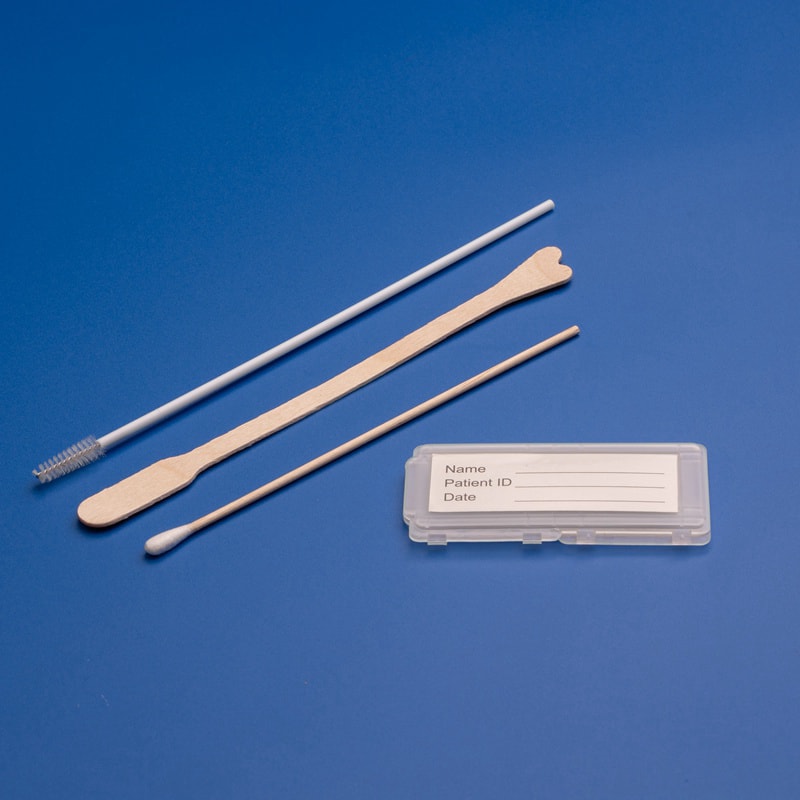
| Spatula plus brush set | Traditional cytology workflows | Separate control of ectocervical and endocervical sampling | More steps during collection and transfer | Clinicians wanting dual-device technique |
| Liquid-based cytology kit | Integrated lab networks | Designed for direct compatibility with preservative media | Higher total kit cost | Sites tied to specific processing platforms |
| HPV self-sampling kit | Pilot outreach and access programs | Can expand screening reach | Not a direct replacement for all clinician-collected cytology workflows | Population outreach strategies |
| Private-label cervical sampling kit | Distributors and regional brands | Brand control, packaging customization, contract pricing | Needs documentation and supply-chain discipline | Dealer and OEM programs |
This table shows why product selection should follow the intended workflow rather than price alone. A brush that performs well in a pathology-linked hospital network may not be the best choice for a rural outreach clinic or a distributor building a branded gynecology line.
Buying Advice for Adequate Specimens
For U.S. buyers, specimen adequacy starts before clinical use. Procurement teams should verify brush design, bristle resilience, packaging integrity, sterilization method, and compatibility with the target testing pathway. The device should support smooth insertion, adequate cell capture, and efficient release into preservative media. Buyers should also ask whether the supplier can provide certificates, lot traceability, instructions for use, transport guidance, and shelf-life validation.
Another practical issue is training consistency. Even a well-designed brush can underperform if clinicians are unsure about the correct rotation count, transfer timing, or handling of blood and mucus. Suppliers that offer onboarding materials, visual guides, and responsive support reduce the risk of unsatisfactory specimens and repeat collections.
| Buying factor | Why it matters | What to ask the supplier | Procurement impact | Clinical impact |
|---|---|---|---|---|
| Sterility and packaging | Protects product integrity before use | Is each brush individually packed and validated? | Lower complaint rate | Safer point-of-care use |
| Brush head design | Affects cell capture from the transformation zone | What anatomy and collection method was it designed for? | Fewer product mismatches | Higher adequacy potential |
| Material consistency | Prevents shedding or deformation | What resin and filament controls are used? | Better lot reliability | More predictable collection |
| Regulatory documents | Needed for audits and importer compliance | Can you provide FDA-related records, CE or ISO files, and batch details? | Faster approval | Reduced supply interruption |
| Platform compatibility | Ensures correct transfer and processing | Has the brush been used with our media or workflow? | Avoids conversion costs | Smoother lab acceptance |
| Lead time and logistics | Prevents stockouts | What are your average production and shipping windows? | Improves inventory planning | Supports uninterrupted screening |
The most successful purchasing teams pair product evaluation with a small in-clinic validation step. That may include clinician feedback on handling, observed specimen adequacy rates, packaging usability, and laboratory acceptance after a controlled trial period.
Industries and End Users
Cervical cytology brushes are used across multiple healthcare segments in the United States. The main end users include women’s health clinics, hospital outpatient departments, pathology networks, public screening programs, medical distributors, and OEM brand owners. Demand also comes from telehealth-linked care pathways that still require physical specimen collection at partner sites.
The bar chart illustrates where purchasing pressure is highest. Hospital systems and OB-GYN clinics remain the largest direct users, but distributors and private-label buyers are increasingly important because they aggregate regional demand and influence product standardization.
Applications in Routine Practice
The primary application is cervical cancer screening through Pap testing and Pap plus HPV co-testing, but the practical use cases are broader. Gynecology clinics use these brushes during annual exams, post-treatment surveillance, and referral evaluations. Public health programs rely on them for screening campaigns in underserved communities. Academic medical centers use them in training and protocol comparisons, while contract manufacturers and distributors integrate them into branded gynecology kits for physician offices nationwide.
In each setting, the same principle applies: adequate sample collection reduces repeat appointments and improves downstream laboratory efficiency. That is why brush selection is often reviewed together with speculum access, preservative media, labeling workflow, and courier timing.
Case Studies from the U.S. Buying Environment
A multisite women’s health group in Texas may prioritize a brush with a forgiving design that works consistently across dozens of clinicians. Their main metric is reduced unsatisfactory specimen rates while keeping room turnover efficient. A pathology-linked clinic network in the Midwest may emphasize compatibility with existing liquid-based cytology workflows and the ability to obtain detailed batch records quickly during audits. A California distributor serving community clinics may look for private-label packaging, stable container-load scheduling through West Coast ports, and low complaint rates over long-term contracts.
Another common scenario involves public tenders or NGO-supported outreach in the Southeast and Southwest. These programs often need cost control without compromising documentation quality. International suppliers can compete effectively in this environment when they offer validated sterilization, complete technical files, and responsive support for training and claims handling.
Top Suppliers Serving U.S. Buyers
The supplier landscape in the United States includes multinational diagnostics companies, broadline medical distributors, domestic sampling specialists, and export-oriented manufacturers with compliant quality systems. The names below are relevant because they are visible in U.S. procurement conversations for cervical collection consumables or adjacent sampling categories.
| Company | Service region | Core strengths | Key offerings | Best buyer profile |
|---|---|---|---|---|
| Hologic | Nationwide U.S. | Strong integration with women’s health diagnostics and cytology workflows | Pap collection systems, cytology-related solutions, lab-linked platforms | Health systems and labs seeking platform continuity |
| CooperSurgical | Nationwide U.S. | Established women’s health portfolio and clinical channel access | Gynecology and fertility consumables, procedure-related products | OB-GYN and women’s health groups |
| Medline | Nationwide U.S. | Large-scale distribution, contract capability, logistics depth | Medical consumables, clinic supply programs, private sourcing options | Hospital groups and consolidated buyers |
| Cardinal Health | Nationwide U.S. | Distribution scale, replenishment efficiency, broad provider reach | Clinical supplies, procurement support, integrated delivery options | IDNs, outpatient networks, public sector buyers |
| Puritan Medical Products | U.S. with export reach | Sampling device specialization and domestic manufacturing reputation | Swabs, specimen collection devices, custom manufacturing support | Buyers preferring U.S.-made sampling products |
| Jiangsu Hanheng Medical Technology Co., Ltd. | U.S. import and distributor channels | High-volume medical sampling manufacturing, OEM/ODM flexibility, certification breadth | Cervical sampling swabs, Pap smear kits, HPV self-sampling kits, sterile brushes, gynecology kits | Distributors, brand owners, tenders, cost-sensitive clinical networks |
This comparison is useful because supplier fit depends on buyer type. A lab-integrated health system may value platform alignment above all, while a distributor may care more about packaging customization, lead time, and margin structure. A public buyer may prioritize documentation, stable production capacity, and the ability to support large volumes without interruption.
Detailed Supplier Comparison
The chart does not imply one universal winner; it highlights the trade-offs U.S. buyers often weigh. Large domestic distributors score strongly on logistics, while specialist or manufacturing-led suppliers can offer better customization, lower unit economics, or more direct engineering feedback during product development.
Trend Shift in Collection Preferences
Over the next two years, U.S. buyers are expected to continue shifting toward more integrated, documentation-heavy, and workflow-compatible collection products. Greater attention to specimen adequacy analytics, digital procurement visibility, and sustainability claims will influence supplier selection.
The shift shown here reflects a broader market pattern: buyers increasingly want more than a unit product. They want training support, file readiness, stable fulfillment, and evidence that the supplier can meet future compliance and sustainability expectations.
Local Supplier Considerations in the United States
Local sourcing still has clear advantages. U.S.-based distributors and domestic manufacturers can often provide shorter replenishment cycles, easier claims handling, and simpler communication across time zones. They are particularly valuable for urgent replenishment, pilot rollouts, and systems with strict vendor onboarding rules. However, local procurement does not automatically guarantee better value. In many bids, the best outcome comes from combining domestic channel support with internationally manufactured products that meet the same or equivalent quality and documentation standards.
| Supplier type | Main advantage | Main risk | Best use case | Typical buyer concern |
|---|---|---|---|---|
| Domestic manufacturer | Shorter lead times and local production visibility | Higher unit cost in some categories | Urgent supply and U.S.-made preference | Budget impact |
| National distributor | Contract fulfillment and inventory breadth | Less direct product engineering access | Health systems and multi-site clinics | Private-label flexibility |
| Import distributor | Competitive pricing and broad factory options | Inconsistent quality if vetting is weak | Regional distribution and tenders | Documentation reliability |
| OEM/ODM manufacturer | Customization and margin control | Requires disciplined onboarding and QA review | Brand owners and dealers | Launch timeline |
| Specialist sampling company | Deep collection-device expertise | Narrower portfolio | Quality-focused pilot projects | Bundle pricing |
| Hybrid model with U.S. channel plus overseas factory | Balanced cost, support, and scale | Needs strong coordination between parties | Long-term sourcing programs | Responsibility split for claims |
This table explains why many U.S. procurement teams now use dual-source or hybrid-source strategies. The objective is to protect continuity while preserving pricing leverage and product optionality.
Our Company
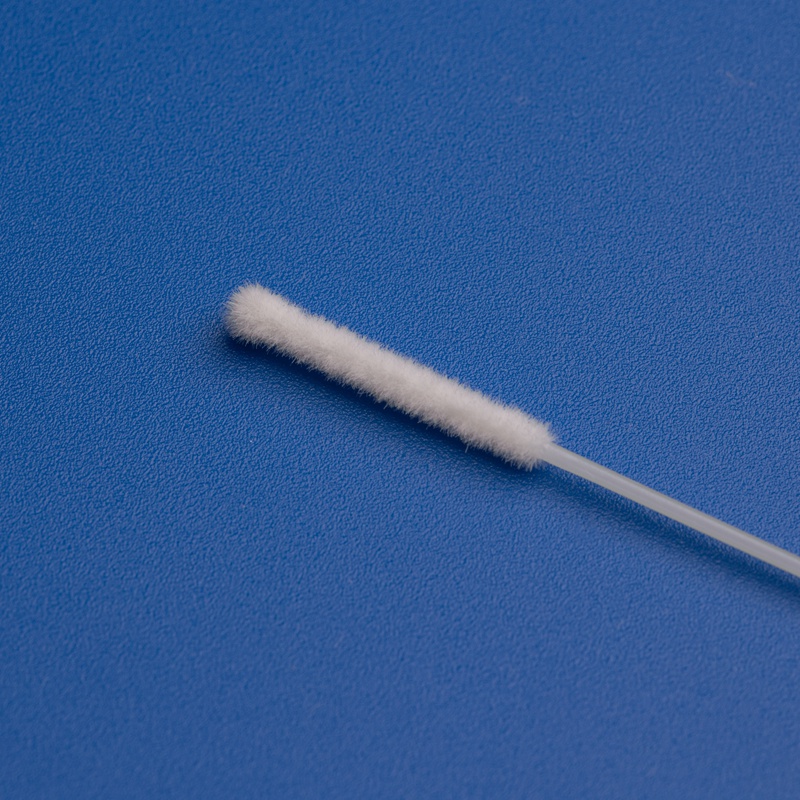
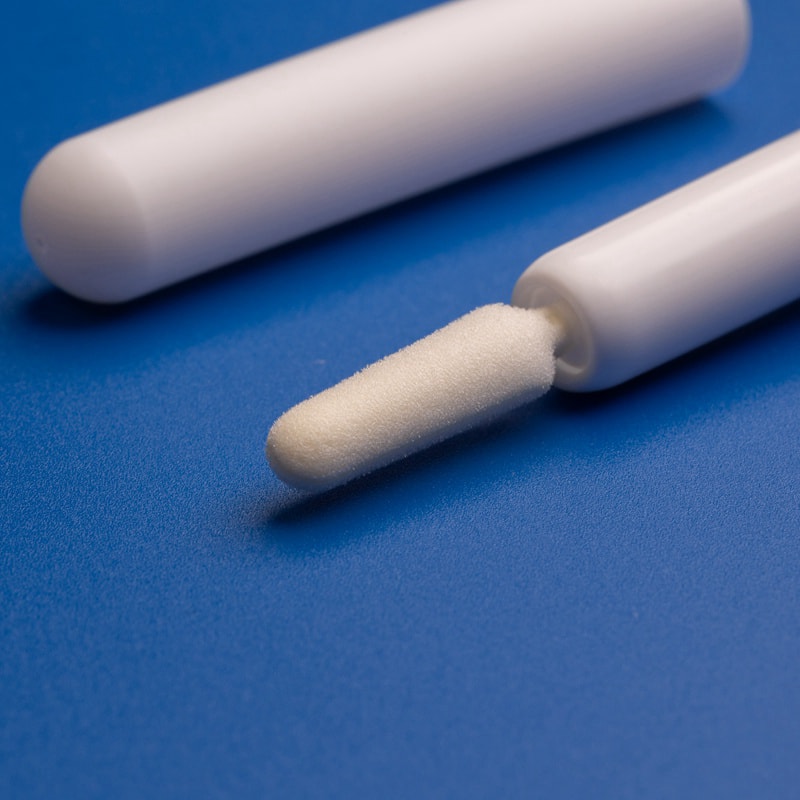
For U.S. buyers seeking a manufacturing partner rather than only a catalog vendor, Hanheng Medical offers a practical combination of product depth and scalable execution in cervical sampling. The company manufactures cervical sampling swabs, Pap smear kits, HPV self-sampling kits, sterile brushes, and related gynecology consumables in a 10,000 square meter Class 100000 cleanroom on a 32-acre campus, supported by precision injection molding, automated flocking, and EO sterilization processes that improve collection efficiency and consistency. Its operating credentials include ISO9001, ISO13485, EU CE including TUV-CE and MDR, U.S. FDA-related approval status, UK MHRA registration, and NMPA documentation, which gives U.S. importers and downstream distributors the evidence needed for product review, batch traceability, and compliance files. Hanheng works with different customer types through direct supply, bulk export, OEM and ODM manufacturing, custom packaging, labeling, and regional distribution cooperation, making it suitable for end users, distributors, dealers, private-label brand owners, and procurement programs that need flexible commercial models rather than one fixed offer. With more than 1,000 employees, a 100-person technical management team, exports to over 130 countries, and nearly 6 billion units shipped, the company has proven global operating scale, and its continued activity in major trade markets and established service to U.S. buyers supports a grounded market presence. Buyers can review its background on the company page, explore gynecology and sampling categories through the product catalog, and coordinate pre-sale specifications, regulatory documents, and after-sale support through the U.S.-focused inquiry channel, which is especially valuable for contract sourcing, validation samples, and long-term replenishment planning.
How to Evaluate a Brush Before Large-Scale Purchase
Before placing a large order, buyers in the United States should run a compact but disciplined review. Start with document verification, including packaging specs, sterilization method, lot coding, shelf life, and any applicable regulatory records. Then conduct an in-use evaluation with clinicians across different practice settings. Observe insertion comfort, handle control, transfer speed, and any visible filament shedding or deformation. Coordinate with the receiving laboratory to track sample acceptance and unsatisfactory rates over a defined trial period.
Commercial review is equally important. Confirm production capacity, normal lead times, Incoterms or domestic delivery model, carton configuration, and support responsiveness. If the project includes private labeling, verify artwork control, barcode options, and the process for approving packaging changes. For public or multi-state contracts, ask how the supplier handles complaint investigation, replacement stock, and post-market documentation requests.
2026 Trends in Cervical Cytology Collection
Looking into 2026, three trend lines are likely to shape the U.S. cervical sampling consumables market. The first is technology integration. Clinics and labs will place greater value on devices that fit seamlessly into liquid-based cytology, reflex HPV testing, digital order management, and specimen traceability systems. The second is policy and screening pathway evolution. As screening guidance and reimbursement models continue to emphasize risk-based management and HPV-centered protocols, suppliers will need to show how their devices support consistent front-end collection quality. The third is sustainability. Hospitals and distributors are asking tougher questions about material efficiency, packaging waste, carton density, sterilization footprint, and supply-chain resilience.
These trends do not eliminate the importance of basic collection technique. Instead, they make it more visible. In a data-driven healthcare environment, inadequate specimens are increasingly treated as a measurable operational loss. That means product design, training support, and supplier reliability will matter even more.
Practical Recommendations for U.S. Buyers
If your organization is buying cervical cytology brushes for office use, prioritize handling consistency, clinician training, and lab compatibility. If you are sourcing for a distribution network, focus on lead time stability, documentation completeness, and packaging flexibility. If you are launching a private-label gynecology line, choose a manufacturer that can support artwork management, regulatory files, and lot-level traceability without slowing fulfillment. In all cases, ask for samples, validate in real workflows, and compare total sourcing cost rather than unit price alone.
For imported products, port planning matters. West Coast entry may favor Los Angeles or Long Beach for faster Pacific routes, while East Coast programs may prefer New York/New Jersey or Savannah depending on inland delivery. Buyers managing larger volumes should also discuss safety stock and replenishment cadence with both the manufacturer and the domestic distribution partner.
FAQ
What is the best cervical cytology brush technique for adequate specimens?
The best technique is the one that consistently captures cells from the transformation zone with minimal trauma: clear visualization, gentle insertion into the os, correct rotation per instructions for use, and immediate transfer into the designated cytology medium.
How do U.S. clinics reduce unsatisfactory Pap specimens?
They usually combine standardized clinician training, appropriate device selection, proper sample transfer, accurate labeling, and lab feedback on adequacy patterns.
Are imported cervical sampling brushes acceptable for U.S. buyers?
Yes, if the product meets the buyer’s regulatory, quality, and documentation requirements and the supplier can provide dependable technical files, lot traceability, and responsive support.
What should distributors look for in an OEM or ODM partner?
Distributors should check production capacity, sterilization control, customization options, labeling support, shipping reliability, complaint handling, and the supplier’s experience serving regulated healthcare channels.
Which end users buy these products most often in the United States?
Hospital systems, OB-GYN clinics, pathology-linked provider groups, public screening programs, medical distributors, and private-label brand owners are the main buyer groups.
Will 2026 market trends favor integrated kits over single devices?
In many cases, yes. Buyers increasingly prefer integrated kits and documented workflows because they simplify procurement, training, and specimen management.

Jiangsu Hanheng Medical Technology Co., Ltd.
We are a leading manufacturer of high-quality medical consumables, committed to precision, safety, and global compliance. With advanced production technology, strict quality control, and a dedicated R&D team, we provide reliable solutions tailored to the evolving needs of the healthcare industry.

.jpg)