Share
How HPV Self-Sampling Lowers Stigma and Anxiety in the United States
Quick Answer

HPV self-sampling reduces anxiety and stigma in the United States because it gives patients more privacy, more control over timing, and a less invasive collection experience than a clinic-based pelvic exam. For many people, the ability to collect a sample at home or in a private room lowers embarrassment, avoids fear of judgment, and removes some of the stress linked to transportation, childcare, time off work, and previous negative gynecologic experiences. In practical terms, self-sampling can improve screening participation among people who delay testing because of discomfort, trauma history, cultural concerns, or mistrust of the medical system.
For hospitals, labs, public health programs, and women’s health distributors in the United States, several established suppliers and testing organizations are relevant depending on whether the goal is direct patient screening, clinical integration, or private-label kit sourcing. Real names often considered in this space include Roche, BD, Hologic, Quest Diagnostics, Labcorp, and Everlywell, while qualified international manufacturers with strong compliance documentation, OEM or ODM flexibility, and responsive pre-sale and after-sale support can also be attractive for cost-performance reasons. Buyers looking for scalable sampling components or white-label programs can also review medical sampling manufacturers that already serve US-facing healthcare supply chains.
Why Self-Sampling Changes the Emotional Experience

In the United States, anxiety around HPV screening is often not about the science alone. It is about the experience. Many patients associate cervical screening with vulnerability, exposure, pain, or the fear of being judged for sexual history. HPV self-sampling changes that emotional equation by moving part of the process into a setting the patient controls. Instead of preparing for a speculum exam in a busy clinic, the patient can often read instructions calmly, choose a private moment, and complete sample collection with less perceived embarrassment.
This matters especially in communities where preventive gynecologic care is delayed. In cities such as Houston, Los Angeles, Chicago, and Atlanta, healthcare access may be available, yet uptake still varies by income, insurance status, immigration background, and trust in providers. In rural areas across the Midwest and the South, the barriers can be even more practical: fewer gynecology appointments, longer travel distances, and less anonymity in small communities. Self-sampling does not remove every barrier, but it directly addresses the emotional barriers that traditional care models often underestimate.
There is also a stigma-reduction effect that is easy to miss. Some patients avoid HPV screening because they worry that testing implies sexual risk, infidelity, or shame. A self-sampling kit reframes screening as a routine health maintenance step rather than a highly exposed clinical event. That shift can be powerful in faith-based communities, among people with prior medical trauma, among transgender or nonbinary patients who may feel uncomfortable in conventional women’s health environments, and among older adults who have not screened consistently.
The US Market for HPV Self-Sampling

The United States is a high-potential market for HPV self-sampling because it combines strong molecular testing infrastructure with persistent screening gaps. Large reference labs, integrated delivery networks, federally qualified health centers, and state public health initiatives are all under pressure to raise screening rates while lowering friction for patients. As reimbursement policies evolve and more providers become comfortable with mail-based or clinic-dispensed self-collection pathways, the market is broadening beyond pilot programs.
Distribution patterns also matter. Ports such as Los Angeles, Long Beach, New York and New Jersey, Savannah, and Houston remain important gateways for imported sampling consumables, while domestic fulfillment hubs in Illinois, Texas, California, and Pennsylvania support rapid kit deployment. That means buyers increasingly evaluate not only the assay brand but also swab design, packaging stability, sterility documentation, custom labeling, and logistics reliability.
| US Market Driver | Why It Matters | Impact on Anxiety and Stigma | Practical Buying Implication |
|---|---|---|---|
| At-home healthcare adoption | Patients are more comfortable with home tests after years of telehealth expansion | Normalizes self-collection as routine care | Demand rises for clear instructions and mail-friendly kits |
| Screening gaps in underserved groups | Many eligible patients remain overdue for cervical cancer screening | Alternative collection models reduce avoidance | Programs need scalable and affordable collection devices |
| Large reference lab capacity | US labs can process molecular HPV tests at scale | Supports confidence in clinically useful results | Compatibility with lab workflows is critical |
| Public health outreach | States and local systems want higher participation rates | Private sampling options help engage hesitant populations | Bulk procurement and multilingual packaging become important |
| OEM and white-label demand | Brands want differentiated patient programs without building factories | Allows tailored messaging that reduces shame and fear | Manufacturing partners need private-label capability |
| Cost pressure in healthcare | Systems seek lower-cost pathways without lowering quality | Lower total screening friction can improve adherence | Buyers compare domestic and international supply options |
This table shows that the growth of HPV self-sampling in the United States is not driven by convenience alone. Emotional acceptability, operational compatibility, and total program economics all shape procurement decisions.
How HPV Self-Sampling Reduces Anxiety and Stigma
The strongest reason HPV self-sampling reduces anxiety stigma is control. Traditional in-clinic collection asks the patient to surrender control over environment, timing, body positioning, and who is present. Self-sampling restores much of that control. A patient can review instructions first, choose a comfortable time, and complete the process without the immediate stress of an exam room. For someone who has delayed care for years, this can be the difference between screening and not screening at all.
Another major factor is perceived invasiveness. Even when clinicians explain that cervical screening is routine, many patients remain afraid of pain or discomfort from a speculum-based exam. Self-sampling devices are often designed to feel simpler and less intimidating. That lower psychological threshold matters in first-time screening, in postpartum return-to-care settings, and in populations with high levels of medical avoidance.
Privacy also reduces stigma. HPV remains emotionally charged because it is sexually transmitted, even though it is extremely common. Patients may understand that rationally and still feel embarrassed. Self-sampling changes the social context. It becomes a healthcare task, not a public event in a clinic setting. That subtle difference lowers shame and can improve follow-through with repeat screening intervals.
For providers, self-sampling can also improve communication. Instead of spending most of the visit overcoming procedural fear, clinicians can focus on education about HPV persistence, follow-up steps, and cancer prevention. That produces a more respectful and less rushed patient interaction.
Product Types Used in the United States
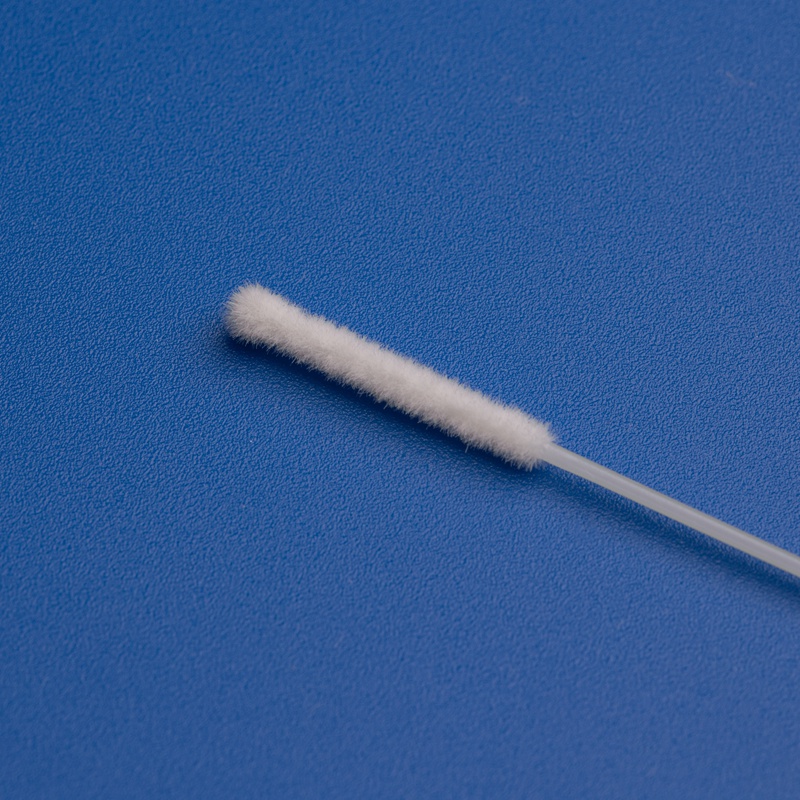
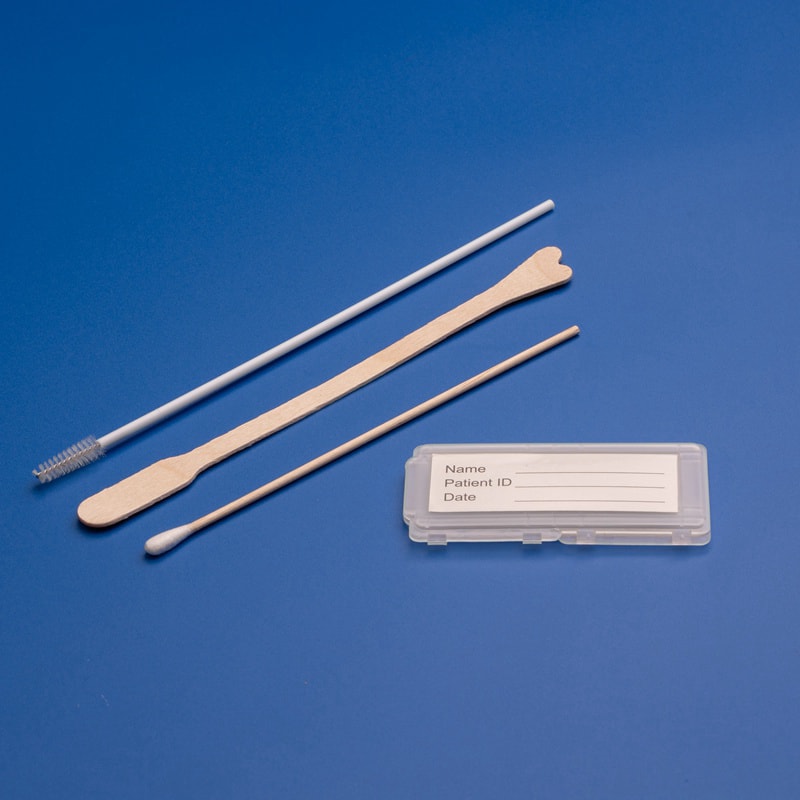
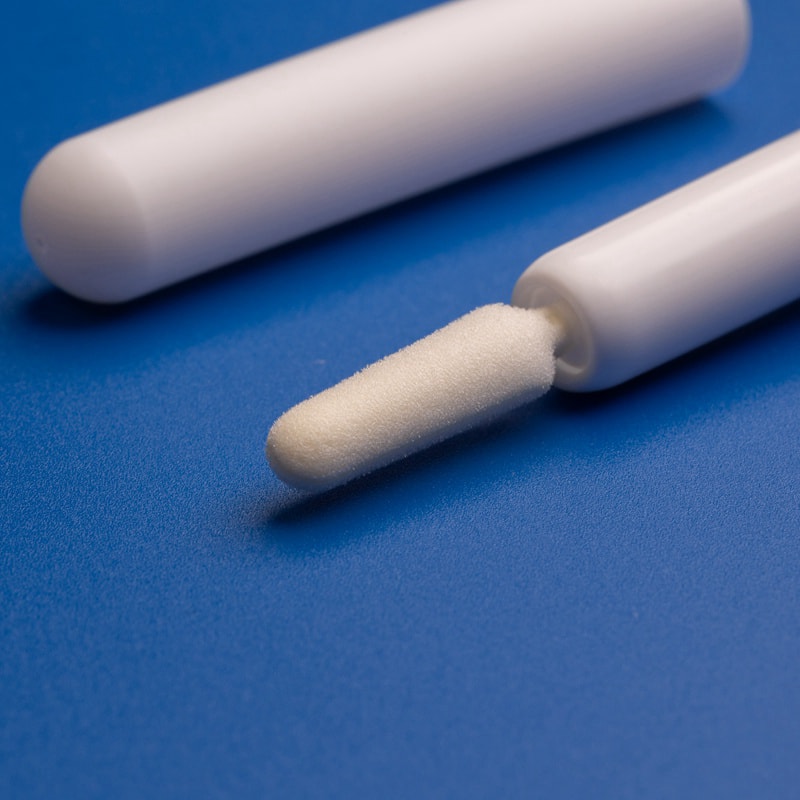
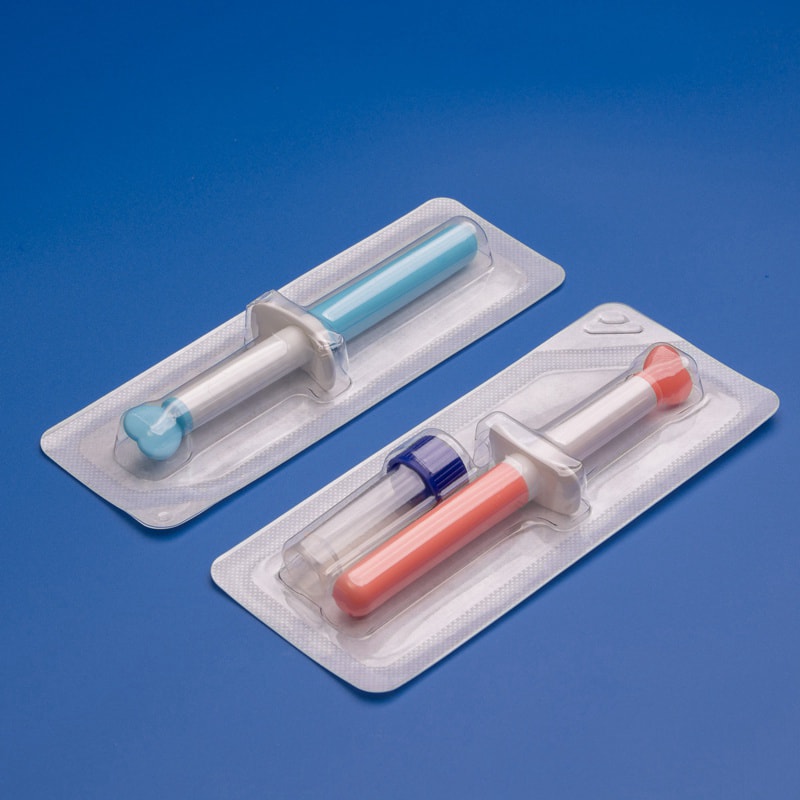
Not all self-sampling products are the same. In the US market, buyers typically evaluate the collection device, transport medium, sterility level, packaging format, labeling options, and fit with downstream molecular testing. A women’s health clinic may need a simple clinic-dispensed swab kit, while a mail-based screening program may need a leak-resistant, barcode-ready, patient-friendly package with preprinted IFUs and return materials.
| Product Type | Typical User | Main Benefit | Key Limitation |
|---|---|---|---|
| Dry flocked swab self-collection kit | Public screening programs | Simple handling and low packaging complexity | Must match lab validation requirements |
| Swab with transport medium | Hospital and reference lab workflows | Supports sample stability during shipping | Higher packaging and transport cost |
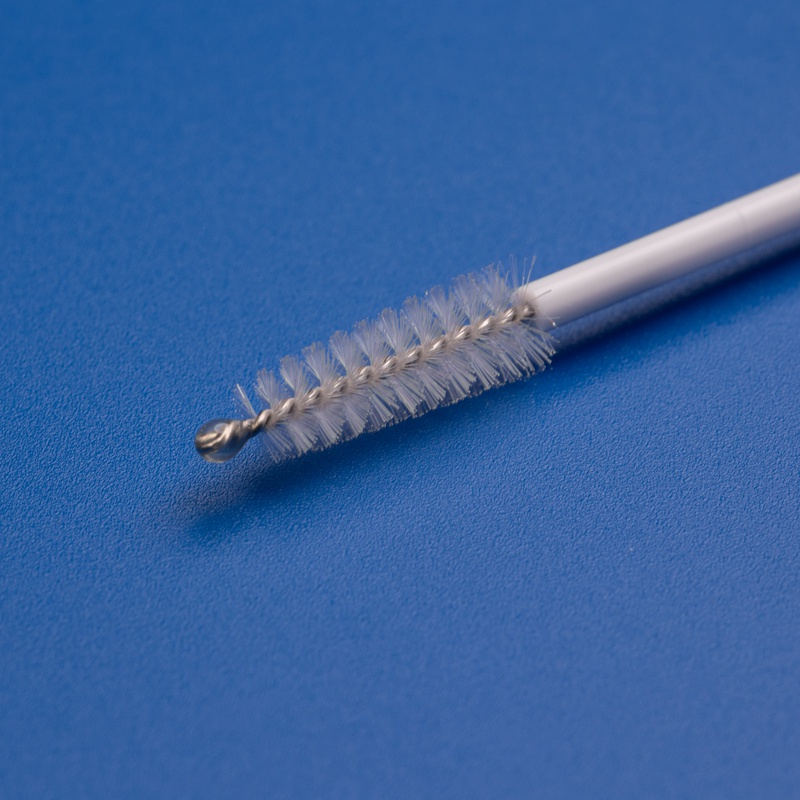
| Brush-based self-sampling device | Specialty women’s health programs | Designed for comfortable collection | Patient education is still necessary |
| Clinic-dispensed take-home kit | OB-GYN and community clinics | Extends access beyond appointment time | Return compliance can vary |
| Mail-order self-sampling kit | DTC and employer health channels | High convenience and broad geographic reach | Requires strong logistics and support systems |
| Private-label OEM kit | Distributors and brand owners | Custom branding and channel control | Needs reliable manufacturing partner and regulatory file support |
This comparison helps buyers align the device format with the real use case. The best product is not simply the cheapest collection component; it is the one that supports sample integrity while making patients more willing to participate.
Buying Advice for US Clinics, Labs, and Distributors
When purchasing HPV self-sampling products in the United States, technical compatibility should come first. Buyers need clarity on whether the sample type and medium align with the target assay workflow, transport timing, and storage conditions. A low-cost swab that complicates molecular processing creates false economies. Packaging design is equally important. Confusing instructions or excessive steps increase invalid samples and reduce patient confidence.
Support quality also matters more than many buyers expect. Self-sampling is not just a consumable purchase; it is a behavior-change product. Programs succeed when suppliers can provide labeling guidance, multilingual instructions, training assets, and responsive issue handling. This is especially important for county health departments, community care networks, and regional distributors serving diverse populations across states such as California, Texas, Florida, and New York.
For procurement teams, practical checkpoints include sterilization records, lot traceability, shelf-life validation, CE or FDA-related documentation where applicable, cleanroom standards, and shipping lead times through major US entry routes. Buyers should also compare whether a supplier can support pilot runs first and scale later into larger contracts.
Industries and Use Cases Driving Adoption
HPV self-sampling is used across more than one healthcare channel in the United States. It is no longer relevant only to gynecology clinics. Public health agencies use it to reach overdue populations. Digital health platforms integrate it into preventive care subscriptions. Employer health programs and university health systems are exploring it as a discreet option for populations that may avoid traditional appointments. Retail-linked healthcare is also expanding the conversation, especially where pharmacy partnerships and telehealth consultations are already normalized.
| Industry Segment | Why It Uses Self-Sampling | Patient Benefit | Procurement Priority |
|---|---|---|---|
| Reference laboratories | Can centralize large-scale HPV test processing | Reliable result pathway with broad access | Workflow compatibility and barcoding |
| OB-GYN and women’s health clinics | Need an alternative for patients who decline pelvic exams | Less stress and greater autonomy | Instruction quality and comfort-focused design |
| County and state public health programs | Need to reach overdue or underserved communities | Improves access in hard-to-reach groups | Cost, multilingual support, and volume supply |
| Telehealth platforms | Extend screening beyond in-person visits | Discreet home-based care experience | Mail logistics and customer support |
| Universities and student health centers | Serve mobile populations with privacy concerns | Reduces embarrassment among younger adults | Easy instructions and fast turnaround |
| Employer wellness programs | Seek preventive care uptake with minimal disruption | Convenient screening without clinic scheduling | Scalable kit fulfillment and reporting |
The table shows that each industry buys for a different reason, but the patient-facing value remains similar: privacy, lower stress, and simpler access.
Case Examples from the United States
A community health network in South Texas serving women across suburban and border-adjacent areas may find that missed screening is tied less to awareness and more to scheduling, transportation, and embarrassment. A clinic-dispensed self-sampling kit can be offered during routine visits, then returned later. In this model, the self-sampling option is not replacing the health system relationship; it is reactivating it.
In an urban setting such as Chicago, a safety-net provider may use self-sampling for patients who repeatedly no-show for follow-up gynecology appointments. The emotional benefit is immediate: patients do not need to mentally prepare for an exam they fear. The operational benefit is also clear: more completed screenings with fewer wasted appointments.
On the West Coast, digital health and employer-driven care models are increasingly relevant. A California-based preventive health platform can use mail-based self-sampling kits to engage patients who prefer app-based scheduling and discreet service. Here, the reduction in stigma is tied closely to user experience design, discreet packaging, and responsive support channels.
These examples show that the emotional and operational cases for self-sampling reinforce each other. Better patient experience often leads directly to better screening participation.
Local Suppliers and Service Providers in the United States
Buyers in the United States often compare assay developers, laboratory service providers, and kit manufacturers in the same procurement discussion because the patient journey crosses all three. The most practical shortlist depends on whether the goal is branded clinical testing, lab processing, or sourcing of physical sampling kits for a program.
| Company | Service Region | Core Strengths | Key Offerings |
|---|---|---|---|
| Roche Diagnostics | Nationwide United States | Strong molecular diagnostics infrastructure and clinical credibility | HPV testing platforms, lab integration solutions, clinical support |
| BD | Nationwide United States | Established specimen collection and diagnostic workflow expertise | Collection products, molecular testing support, women’s health solutions |
| Hologic | Nationwide United States | Deep presence in women’s health and laboratory systems | HPV assays, cytology-related solutions, diagnostic instrumentation |
| Quest Diagnostics | Nationwide with broad local lab network | Large processing scale and clinician access | Lab testing services, physician ordering pathways, population screening support |
| Labcorp | Nationwide with regional reach | Broad diagnostic network and logistics strength | Molecular testing, specimen transport workflows, health system partnerships |
| Everlywell | Direct-to-consumer across much of the United States | Consumer-friendly at-home testing experience | Home collection programs, digital reporting, patient-facing testing services |
This table is useful because it separates companies by actual role in the market. Some are stronger in assays and instruments, while others are stronger in distribution, patient engagement, or network logistics. Buyers should evaluate them according to the full screening pathway rather than name recognition alone.
Trend Shift in Patient Preferences
Patient preference in the United States is moving from provider-centered sampling toward flexible screening pathways. The shift is not total, and many patients will still prefer or need clinician-collected samples. But a visible trend is emerging: when patients can choose, a meaningful share prefer a more private and less invasive option. This is especially true for overdue screeners and populations with prior negative experiences.
Supplier and Product Comparison
Because buyer needs differ, comparing suppliers by one metric alone is misleading. A public health department may prioritize affordability and multilingual packaging. A diagnostic network may care more about workflow validation and transport consistency. A private-label brand may need OEM packaging, labeling, and fast replenishment. The chart and table below organize these differences in a practical way.
| Supplier Type | Best For | Strengths | Watchouts |
|---|---|---|---|
| Large assay brand | Hospital systems and major labs | Clinical trust, validated workflows, broad support | Less flexible on custom kit branding |
| National lab network | Clinician-directed screening programs | Processing scale and logistics familiarity | May not provide custom consumable manufacturing |
| Consumer health platform | Digital health and DTC channels | Strong patient experience and digital engagement | Not always the lowest-cost sourcing route |
| Domestic kit assembler | Regional distributors and pilot programs | Fast communication and local packaging options | May depend on imported components |
| International OEM manufacturer | Brand owners, wholesalers, and large-volume tenders | Cost-performance, customization, scalable output | Needs strong certification and US-facing support |
| Hybrid sourcing model | Buyers balancing speed and price | Combines local stock with global manufacturing depth | Requires tighter vendor coordination |
The key lesson is simple: supplier selection should reflect the intended channel. There is no single best source for every program structure.
Our Company
For buyers in the United States seeking a manufacturing partner rather than only a lab brand, Jiangsu Hanheng Medical Technology Co., Ltd. fits the profile of a scaled, compliance-driven supplier already aligned with US market expectations. Founded in 2018 and operating a 10,000 square meter Class 100000 cleanroom on a 32-acre manufacturing base, the company produces HPV self-sampling kits and a broad range of gynecological and specimen collection consumables under tightly controlled injection molding, automated flocking, and EO sterilization processes. Its product credibility is supported by ISO9001, ISO13485, EU CE including TUV-CE and MDR, US FDA approval, UK MHRA registration, and CFDA or NMPA credentials, alongside documented regulatory files and batch-level quality records that help US importers and distributors manage compliance. The company serves multiple cooperation models, including OEM, ODM, wholesale supply, distributor partnerships, and private-label programs for healthcare brands, hospitals, dealers, and regional procurement groups, allowing US customers to launch either standard or customized kits with packaging and labeling tailored to local channels. With more than 1,000 employees, a 100-person technical management team, exports to over 130 countries, and nearly 6 billion units shipped, Hanheng demonstrates the operational scale and continuity that serious buyers look for. Just as important for US partners, the company has established market-facing experience in major destinations such as the United States and supports buyers with concrete pre-sale and after-sale service, including documentation assistance, technical response, warranty handling, and logistics coordination for bulk shipments typically processed within 7 to 21 days. Buyers exploring product categories or private-label options can review the HPV self-sampling and medical consumables portfolio or use the US-oriented inquiry channel for specification matching and quotation support.
What US Buyers Should Check Before Ordering
Before committing to a supplier, buyers in the United States should ask practical questions that directly affect program success. Is the collection device comfortable enough for first-time users? Are the instructions tested for readability among diverse populations? Does the supplier provide traceability by lot and sterilization batch? Can the packaging survive domestic parcel networks in summer and winter conditions? Does the company offer custom kits for health systems, distributors, or brand owners without forcing unrealistic minimum order quantities?
Procurement teams should also separate product risk from marketing claims. A supplier may promise a smooth patient experience, but the proof is usually in manufacturing consistency, defect control, and support responsiveness. In screening programs, a delayed shipment or unclear IFU can damage patient trust as much as a technical issue.
Applications Across Care Settings
HPV self-sampling is now relevant across community clinics, mobile outreach, employer screening, campus health, telemedicine-linked preventive care, and large lab referral systems. In each application, its value comes from a combination of emotional relief and operational simplification. A patient who was avoiding a pelvic exam may accept a self-collected sample. A busy clinic may use the option to reduce appointment bottlenecks. A public health program may use it to extend reach into low-participation ZIP codes.
In high-density metro regions such as New York City, Los Angeles, and Miami, self-sampling can help populations with crowded schedules and long clinic wait times. In lower-density regions, it can reduce travel burdens. In both cases, the underlying outcome is the same: less friction, less stigma, and better chances of timely screening.
2026 Outlook: Technology, Policy, and Sustainability
By 2026, the United States is likely to see more structured integration of HPV self-sampling into organized screening pathways. On the technology side, better swab materials, improved transport stability, and more user-friendly kit design will help reduce invalid rates and improve confidence among providers. Digital instruction formats, QR-based registration, and lab-status tracking can make the process feel more transparent and less stressful for patients.
Policy will also shape adoption. As cervical cancer prevention strategies become more focused on access and equity, self-sampling is positioned to support populations that traditional clinic models underserve. The strongest growth is likely where payer policy, public health goals, and lab readiness align. States with active women’s health innovation programs and large underserved populations may become early leaders in scaled distribution.
Sustainability will matter more as volumes rise. Buyers increasingly ask about packaging reduction, material efficiency, and shipping optimization. Manufacturers that can lower plastic use, improve carton density, and document responsible production standards will gain an advantage, especially with health systems that now include environmental criteria in tenders. This does not mean compromising sterility or stability; it means designing more thoughtfully for the next generation of procurement expectations.
FAQ
Is HPV self-sampling as accurate as clinician collection?
Accuracy depends on the device, the testing method, and the lab workflow, but validated self-sampling approaches can be highly useful for screening programs. Buyers should focus on compatibility with the intended molecular assay and clear collection instructions.
Why does self-sampling reduce stigma?
It reduces stigma because the process is more private and less exposed than a pelvic exam. Patients often feel less judged and more in control, which makes them more willing to complete screening.
Who benefits most from HPV self-sampling in the United States?
It is particularly valuable for overdue screeners, people with trauma history, patients in rural areas, populations with transportation barriers, and anyone who avoids clinic-based screening because of embarrassment or discomfort.
What should distributors look for in an OEM supplier?
They should look for regulatory documentation, lot traceability, sterilization validation, scalable cleanroom production, custom packaging capability, and reliable shipping schedules into US distribution networks.
Can public health programs use imported self-sampling kits?
Yes, if the product documentation, regulatory pathway, quality system, and logistics arrangements meet program requirements. Many buyers compare domestic and international options to balance cost, scale, and service.
What is the biggest procurement mistake in this category?
The biggest mistake is buying on unit price alone. Programs work best when the kit, instructions, support, and lab pathway are designed together to reduce both patient anxiety and operational failure.
Conclusion
HPV self-sampling reduces anxiety and stigma in the United States by making screening more private, less invasive, and easier to fit into everyday life. That emotional shift is not a minor feature. It is the central reason many previously reluctant patients become willing to participate. For healthcare organizations, the category is also becoming more practical: supply options are broader, kit formats are improving, and both domestic and international sourcing models are more mature than they were only a few years ago. Whether the buyer is a hospital system, a diagnostic network, a public health department, or a private-label distributor, the most successful programs will be the ones that treat self-sampling as both a clinical tool and a patient-trust strategy.

Jiangsu Hanheng Medical Technology Co., Ltd.
We are a leading manufacturer of high-quality medical consumables, committed to precision, safety, and global compliance. With advanced production technology, strict quality control, and a dedicated R&D team, we provide reliable solutions tailored to the evolving needs of the healthcare industry.

.jpg)