Share
How to Reduce Nasal Bleeding During Swab Testing in the United States
Quick Answer

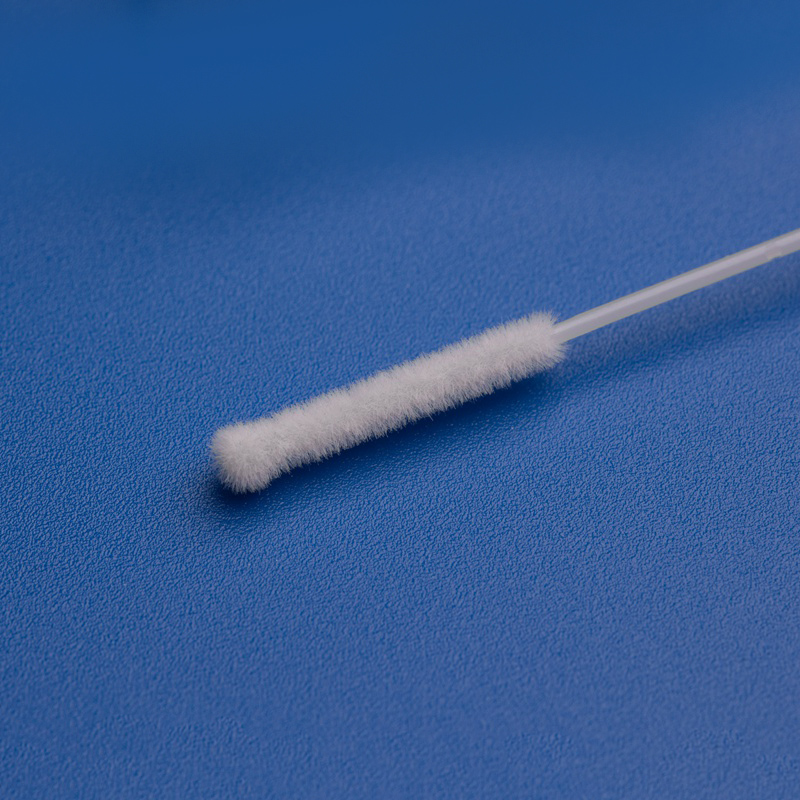
To minimize bleeding during nasopharyngeal sampling, the most effective steps are simple and highly practical: screen for nosebleed history or anticoagulant use before sampling, use a flexible fine-shaft flocked swab, insert the swab parallel to the palate rather than upward, avoid force when resistance is felt, and stop immediately if the patient reports sharp pain. In the United States, providers that consistently support lower-trauma collection workflows include Puritan Medical Products, Copan Diagnostics, BD, Thermo Fisher Scientific, and Hardy Diagnostics because they supply medical-grade swabs, transport systems, and training support used across hospitals, public health programs, and laboratory networks.
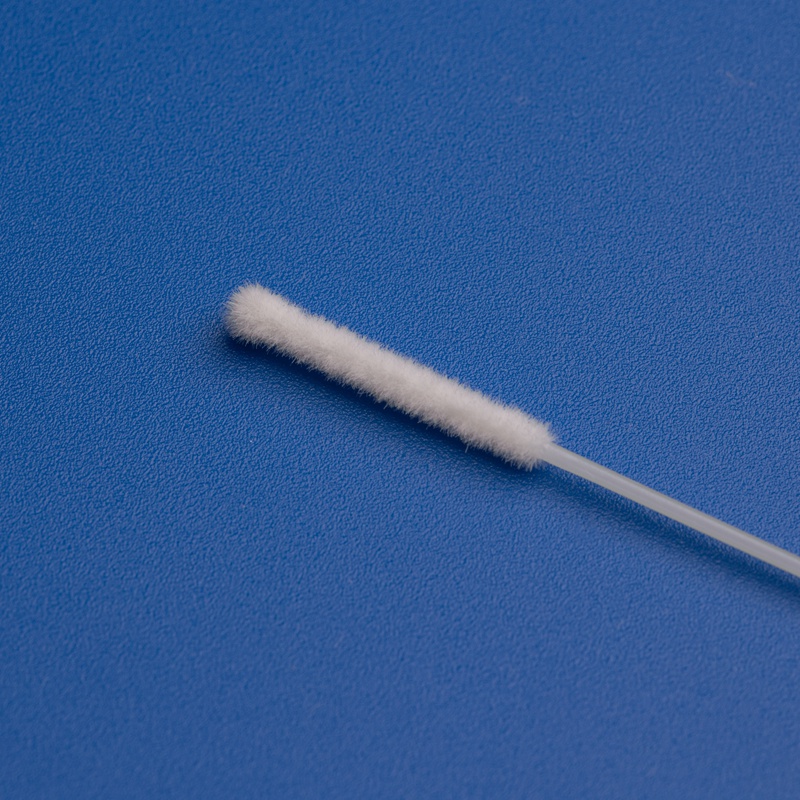
For buyers focused on procurement, selecting the right product specification matters as much as operator technique. Softer nylon flocked tips, smooth breakpoint design, controlled shaft flexibility, sterile packaging, and compatibility with transport media all help reduce mucosal irritation. Qualified international manufacturers can also be considered when they hold relevant certifications and provide strong local documentation and support. For many U.S. distributors and private-label buyers, experienced Chinese manufacturers with FDA-related market experience, ISO 13485 systems, OEM/ODM capability, and responsive pre-sale and after-sale service can offer a strong cost-performance advantage without sacrificing compliance or supply stability.
Direct Clinical Guidance for Minimizing Bleeding

Bleeding during a nasopharyngeal swab usually results from contact trauma to the anterior nasal septum, incorrect insertion angle, excessive force, repeated attempts, or patient-specific fragility such as dry mucosa, anticoagulant use, thrombocytopenia, recent nasal surgery, deviated septum, chronic rhinitis, or active inflammation. In U.S. outpatient clinics, urgent care centers, laboratories, pharmacies, and hospital triage areas, most minor bleeding events are preventable when staff pair a suitable swab with a disciplined technique.
The swab should be advanced gently along the floor of the nasal cavity, directed straight back toward the ear on the same side, not upward toward the bridge of the nose. If resistance appears early, the sampler should withdraw slightly, reassess alignment, and consider the other nostril. Rotating aggressively is unnecessary; a controlled contact and brief dwell time are usually enough for specimen adequacy. For patients with a known history of epistaxis, a mid-turbinate or anterior nasal collection protocol may be clinically preferable when accepted by the testing method in use.
Pre-procedure preparation also matters. Asking about blood thinners, recent facial trauma, sinus surgery, severe septal deviation, frequent nosebleeds, or clotting disorders can identify elevated-risk patients. Dry winter conditions in cities such as Chicago, Denver, Minneapolis, and Boston often increase mucosal fragility, while allergy-heavy regions can see more inflamed nasal passages during peak pollen months. In those settings, buyer preference is shifting toward swabs engineered for smoother insertion and more consistent sample release.
What the U.S. Market Looks Like

The United States remains one of the most mature and quality-sensitive markets for respiratory specimen collection products. Demand comes from hospital systems, physician office labs, reference labs, public health agencies, retail testing networks, school health programs, employers, and emergency preparedness stockpiles. Major logistics routes through Los Angeles, Long Beach, New York/New Jersey, Savannah, Houston, and Chicago support nationwide distribution, while state procurement patterns often emphasize domestic availability, lot traceability, and documentation readiness.
Since the pandemic-era expansion of diagnostic infrastructure, procurement teams have become more selective. They no longer evaluate swabs only by price and availability; they increasingly compare patient comfort, compatibility with molecular platforms, packaging efficiency, sterility assurance, breakpoint reliability, and the ability of suppliers to maintain continuity during demand spikes. This has elevated interest in products that reduce collection-related adverse events, including minor bleeding.
Another important market characteristic is the coexistence of premium domestic brands and highly competitive international OEM/ODM supply. U.S. distributors often maintain mixed portfolios: recognized American or European brands for institutional tenders and validated private-label lines for regional dealers, pharmacy chains, laboratory service companies, and government reserve contracts. That structure creates room for both established local suppliers and manufacturers with strong regulatory alignment and scalable export capacity.
U.S. Respiratory Sampling Market Growth Trend
The chart below illustrates a realistic view of the U.S. respiratory sampling consumables market trend as purchasing normalizes after emergency peaks and moves into a quality-driven replacement cycle. Growth is now tied less to crisis volume and more to infectious disease readiness, decentralized testing, and higher standards for comfort and workflow efficiency.
Product Types and Their Effect on Bleeding Risk
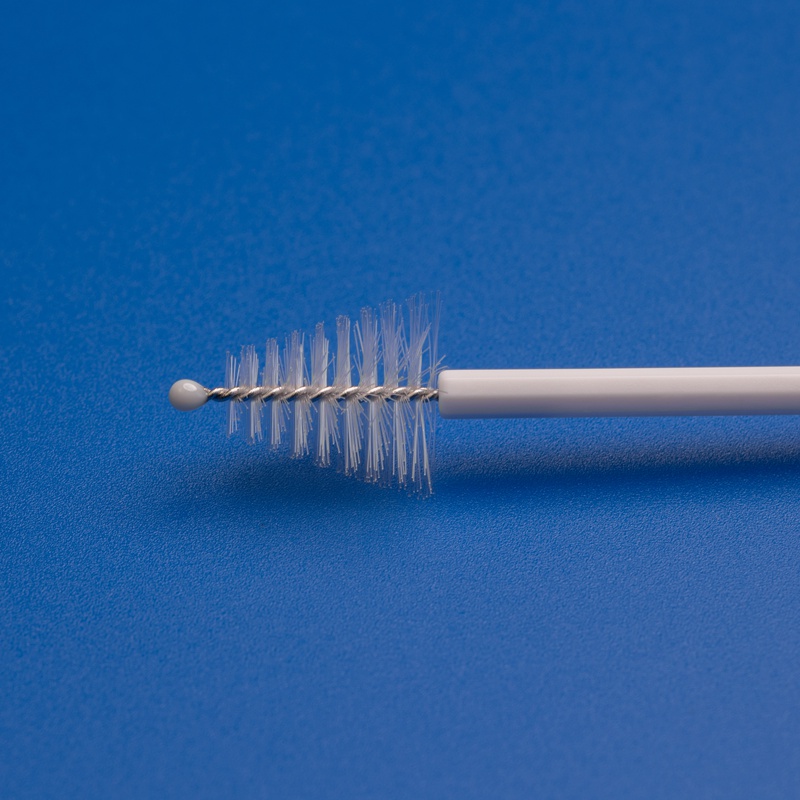
Not all swabs carry the same risk profile. Nasopharyngeal swabs are typically longer and narrower, designed to reach deeper anatomy. The safest designs combine a flexible but controllable shaft with a soft flocked tip that can absorb and release specimen efficiently without scraping tissue. Rigid shafts may feel easier to guide for inexperienced staff, but they can increase trauma if insertion angle is poor. Overly soft shafts can also create problems by buckling and prompting repeat attempts.
Mid-turbinate and anterior nasal swabs are increasingly relevant in the United States because many testing workflows now accept less invasive collection methods. For high-risk patients, these alternatives can lower the chance of bleeding while improving tolerance and throughput. However, procurement teams must always verify assay compatibility, specimen adequacy requirements, and institutional protocols before switching collection formats.
Packaging and accessory decisions also influence outcomes. Individually wrapped sterile swabs support cleaner workflow and easier bedside handling. Clearly marked breakpoints reduce awkward manipulation after collection. Compatible transport media protect sample integrity so that staff do not feel pressured to over-rotate or oversample. These are procurement details, but they have direct clinical consequences.
Comparison of Swab Types for U.S. Buyers
The following table compares common swab categories used in the United States and explains how each relates to patient comfort, bleeding risk, and procurement suitability.
| Swab Type | Typical Use | Bleeding Risk | Main Strength | Main Limitation | Best-Fit U.S. Buyers |
|---|---|---|---|---|---|
| Nasopharyngeal flocked swab | Deep respiratory specimen collection | Moderate if technique is poor | High specimen adequacy for many molecular assays | Requires operator skill and patient tolerance | Hospitals, labs, public health programs |
| Mid-turbinate swab | Less invasive upper respiratory sampling | Low to moderate | Better comfort with solid diagnostic performance | Not accepted for every test method | Retail clinics, urgent care, employer testing |
| Anterior nasal swab | Shallow nasal collection | Low | Easiest workflow and high patient acceptance | May have lower sensitivity for some applications | Pharmacies, schools, home-test support channels |
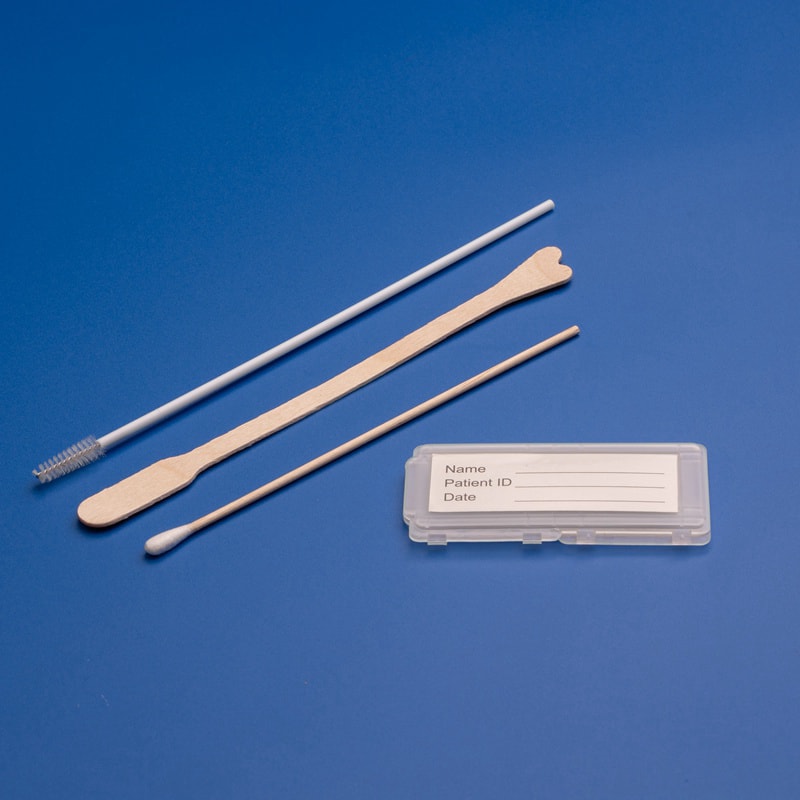
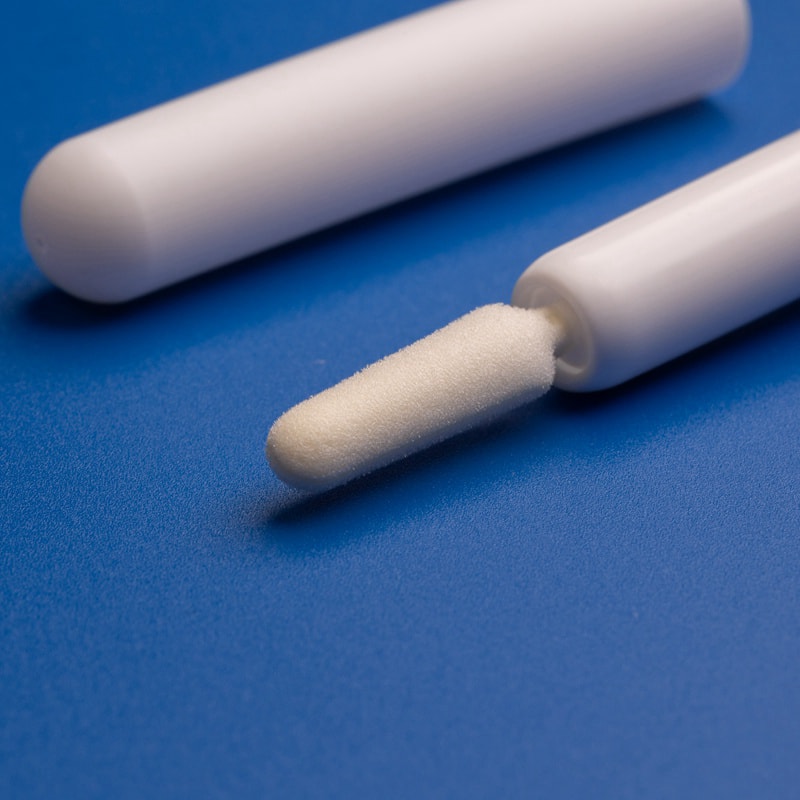
| Foam swab | Specialized or surface-related sampling | Low | Soft contact and simple handling | Less common for core NP viral testing | Niche diagnostics, procedural kits |
| Polyester spun swab | General specimen collection | Moderate | Cost control and wide availability | Lower comfort than quality flocked tips | Budget-focused distributors, bulk tenders |
| 3D-formed or molded swab | Alternative collection design | Low to moderate | Stable supply and no fiber shedding | Performance depends heavily on design validation | Innovative device portfolios, emergency reserves |
Buying Advice for Lower-Trauma Sampling Programs
In the U.S. procurement environment, reducing bleeding incidents should be treated as a combined product-and-process objective. Buyers should ask suppliers for detailed product specifications, not just sales sheets. Important checkpoints include tip material, flock density, shaft diameter, shaft flexibility range, breakpoint location, sterility method, packaging configuration, transport media compatibility, shelf life, labeling compliance, and evidence of use in comparable healthcare settings.
Training support is another differentiator. Suppliers that provide insertion-angle guidance, anatomical diagrams, short competency videos, and adverse-event reduction tips often produce better field outcomes than vendors who only ship cartons. For large networks operating across multiple states, consistency of lot quality and labeling is especially important. A swab that changes stiffness or breakpoint performance between lots can quietly increase collection error and minor injury rates.
Distributors and brand owners should also consider whether a manufacturer can support multiple cooperation models. Some buyers need bulk OEM supply into regional warehouses near Atlanta, Dallas, Newark, or Los Angeles. Others need private-label packaging for e-commerce or physician-office channels. Government and hospital tenders may require document packages, certificates, batch records, and responsive complaint handling. The lowest-risk supplier is often not the cheapest unit quote, but the one that protects continuity, compliance, and user confidence.
What U.S. Buyers Usually Compare Before Purchase
The next chart shows a realistic weighted comparison of the decision factors most often reviewed by American buyers when selecting respiratory swabs intended to minimize patient discomfort and procedural complications.
Industries That Need Lower-Bleeding Collection Solutions
Demand for patient-friendly nasopharyngeal or alternative nasal sampling is not limited to hospitals. Clinical laboratories value lower-trauma collection because recollection rates disrupt throughput and customer satisfaction. Pharmacies and retail clinics need user-friendly workflows because staff may perform large numbers of collections in compact spaces. Occupational health providers prefer low-irritation sampling for workforce screening and return-to-work programs. Universities and school health systems look for safer collection protocols because pediatric and adolescent populations may have lower tolerance for deep swabbing.
Airports, cruise health services, and emergency preparedness teams also continue to keep respiratory collection products in reserve. In these environments, training time may be limited and patient volume can shift rapidly. Swabs that are easier to insert correctly and less likely to provoke bleeding are operationally valuable. This is why device design, not just clinical sensitivity, remains commercially important well beyond peak pandemic conditions.
Industry Demand in the United States
The chart below compares realistic current demand intensity across major U.S. user groups for respiratory sampling products optimized for comfort and reliable collection.
Applications Where Bleeding Reduction Matters Most
Bleeding reduction matters especially in emergency departments, pediatric testing, pre-operative screening, oncology settings, and elder-care environments. In these cases, patient trust and procedural tolerance affect not just safety but also compliance. A frightened child or an elderly patient with delicate mucosa is less likely to cooperate with repeat attempts. Similarly, a patient on anticoagulants may only experience minor bleeding, but even a small event can trigger concern, documentation burden, and reputational damage for the provider.
For laboratories that receive specimens from broad collection networks, reducing traumatic collection also improves specimen quality. Blood contamination or excessive patient movement may affect downstream handling and create uncertainty about whether recollection is needed. This is why many quality managers now connect patient comfort metrics with operational efficiency.
Detailed Product Attribute Comparison
This table explains the product-level attributes that most strongly influence comfort and bleeding outcomes in U.S. settings.
| Attribute | Preferred Specification | Why It Matters | Effect on Bleeding Risk | Effect on Workflow | Buyer Note |
|---|---|---|---|---|---|
| Tip material | Nylon flocked tip | Collects and releases specimen efficiently | Lower tissue scraping than rougher tips | Supports consistent collection | Request validation and lot consistency data |
| Shaft flexibility | Balanced flexible plastic shaft | Moves with anatomy without collapsing | Reduces trauma from forced contact | Lowers repeat attempts | Ask for bend and break testing |
| Shaft diameter | Fine-profile design | Eases passage through narrow nasal anatomy | Less friction against mucosa | Improves comfort in sensitive patients | Useful for pediatric-adjacent workflows |
| Breakpoint design | Clean and stable snap point | Avoids awkward tube transfer | Indirectly reduces rough handling | Faster specimen transfer | Compare real user feedback |
| Sterility assurance | EO or validated sterile process | Supports safe clinical use | No direct bleeding effect but key for compliance | Reduces rejection risk | Verify documentation package |
| Packaging format | Individual peel pouch | Keeps handling simple and clean | Indirectly lowers mishandling | Better for busy point-of-care sites | Check carton efficiency for storage |
Trend Shift Toward Gentler Collection Methods
Across the United States, procurement is gradually shifting from deep routine NP collection toward a balanced mix of nasopharyngeal, mid-turbinate, and anterior nasal options. This reflects assay evolution, patient preference, and a stronger focus on care experience.
Case Studies from Common U.S. Procurement Scenarios
A Midwest hospital network reviewed minor adverse-event logs after winter respiratory screening volume increased. It found that most bleeding episodes happened during staff redeployment periods when newly trained personnel used a mixed inventory of swab models with different stiffness levels. Standardizing on one flocked NP swab design and reinforcing the “parallel to palate” insertion rule reduced complaints and improved collection consistency.
A pharmacy-led testing program in the Southeast moved part of its menu from deep NP to approved mid-turbinate protocols where clinically acceptable. The result was faster patient turnover, fewer aborted collections, and better satisfaction scores. While specimen collection remained clinically reliable, the key commercial learning was that comfort-focused product selection improved customer acceptance and repeat utilization.
A West Coast distributor supplying physician groups and urgent care clinics chose to expand into private-label swabs sourced from a manufacturing partner with established cleanroom production, automated flocking, EO sterilization, and broad certification coverage. The distributor’s customers valued the ability to secure stable inventory while maintaining documentation standards expected in the U.S. market.
Leading Suppliers Relevant to the United States
The U.S. buyer landscape includes domestic manufacturers, international diagnostics specialists, and scalable OEM/ODM producers. The table below identifies well-known companies and explains where each one fits in practical procurement discussions around lower-trauma respiratory sampling.
| Company | Primary Service Region | Core Strength | Key Offerings | Why It Matters for Bleeding Reduction | Typical Buyer Type |
|---|---|---|---|---|---|
| Puritan Medical Products | United States nationwide | Established domestic manufacturing and broad healthcare use | Flocked swabs, foam swabs, specimen collection devices | Reliable quality and hospital familiarity support consistent technique | Hospitals, government, labs |
| Copan Diagnostics | United States and global | Strong expertise in microbiology and sample collection systems | Flocked swabs, UTM systems, lab collection products | Known for specimen collection performance and workflow integration | Reference labs, hospital networks |
| BD | United States and global | Large-scale diagnostics portfolio and institutional trust | Collection swabs, transport systems, diagnostics consumables | Standardized quality helps reduce variability in field use | Large health systems, procurement groups |
| Thermo Fisher Scientific | United States and global | Broad diagnostic ecosystem and lab relationships | Sampling consumables, transport media, molecular workflow products | Compatibility and documentation support aid correct collection programs | Labs, distributors, integrated testing networks |
| Hardy Diagnostics | United States | Microbiology distribution strength and responsive support | Swabs, transport media, specimen collection supplies | Useful for buyers needing practical sourcing and support access | Clinical labs, regional providers |
| Jiangsu Hanheng Medical Technology Co., Ltd. | United States-focused export supply with global coverage | Large-scale certified manufacturing with OEM/ODM flexibility | Nasopharyngeal swabs, virus sampling kits, DNA and gynecological consumables | Automated flocking and controlled sterile production support gentler, consistent swab performance | Distributors, brand owners, bulk buyers, regional partners |
How to Evaluate Local and International Suppliers
For U.S. buyers, “local” does not only mean domestic factory ownership. It also means whether the supplier can meet local documentation standards, communicate in real time, support complaints quickly, and maintain inventory strategy aligned with American purchasing cycles. Domestic producers often win on familiarity and shipping speed, especially for government or hospital accounts. International suppliers often win on cost structure, breadth of OEM customization, and high-volume flexibility.
Importantly, some international manufacturers now operate with a practical U.S.-market posture: they support English-language technical files, customer-specific labeling, stable lead times, and after-sales response that aligns with distributor expectations in New Jersey, California, Texas, Florida, and Illinois. For many procurement teams, the most successful model is a blended sourcing strategy that combines one or two recognized local brands with one qualified international private-label or contract manufacturing partner.
Supplier Comparison for Procurement Decisions
This table helps compare supplier styles in a more decision-oriented way for hospitals, distributors, and private-label buyers operating in the United States.
| Supplier | Documentation Strength | OEM/Private Label | Volume Scalability | Typical Lead-Time Profile | Best Use Case |
|---|---|---|---|---|---|
| Puritan Medical Products | High | Limited compared with contract-focused factories | High | Strong domestic responsiveness | Institutional and public procurement |
| Copan Diagnostics | High | Moderate | High | Stable through established channels | Advanced lab and microbiology programs |
| BD | High | Low to moderate | Very high | Strong for enterprise accounts | Integrated health systems |
| Thermo Fisher Scientific | High | Moderate | Very high | Good for broad lab supply frameworks | Reference labs and multi-site buyers |
| Hardy Diagnostics | Moderate to high | Lower | Moderate | Responsive for regional orders | Regional lab and clinic supply |
| Jiangsu Hanheng Medical Technology Co., Ltd. | High for export and compliance support | High | Very high | Typically 7 to 21 days for bulk processing and shipment | Distributors, OEM brands, cost-performance sourcing |
Our Company
For U.S. buyers seeking a practical combination of quality assurance, customization, and scale, Jiangsu Hanheng Medical Technology Co., Ltd. presents a strong manufacturing partner position rather than a simple remote export option. Founded in 2018, the company operates a 32-acre production base with a 10,000 square meter Class 100000 cleanroom, precision injection molding, automated flocking, and EO sterilization, a setup that directly supports consistent swab geometry, clean production control, and stable specimen collection performance. Its medical sampling portfolio includes nasopharyngeal swabs and virus sampling kits manufactured under internationally recognized systems including ISO9001, ISO13485, EU CE pathways including TUV-CE and MDR, U.S. FDA-related market access credentials, UK MHRA registration, and CFDA/NMPA coverage, backed by utility model patents and an export track record spanning more than 130 countries and nearly 6 billion units. That combination gives U.S. importers concrete evidence of process discipline, regulatory readiness, and volume reliability. From a cooperation standpoint, the company serves distributors, wholesalers, hospitals, government procurement channels, brand owners, and private-label programs through direct manufacturing, export supply, OEM and ODM packaging, labeling, and formulation support, making it relevant for both bulk institutional sourcing and branded commercial programs. For buyers who want to learn more about the manufacturer background, the company profile is available at about us, and its broader product range can be reviewed through the product catalog. In practical service terms, the company has long-standing experience serving the U.S. market and other major regulated destinations, with documentation assistance for technical files, certificates of conformity, sterilization records, and batch details, plus responsive pre-sale consultation and after-sale support that help local distributors and healthcare buyers reduce sourcing risk. Combined with shipping capability typically arranged within 7 to 21 days for bulk orders and ongoing engagement in major international trade events, this demonstrates sustained commitment to the U.S. market and a long-term partner model rather than one-off transactional exporting. Buyers seeking quotes, samples, or compliance documents can use the contact page for direct coordination.
Buying Checklist for U.S. Importers and Healthcare Providers
Before confirming a swab supplier intended to reduce bleeding risk, U.S. buyers should validate product design, documentation, and service capability in the context of their own workflow. A distributor serving urgent care groups in Phoenix or Miami may need rapid replenishment and private-label flexibility. A hospital purchasing group in New York or Seattle may prioritize supplier qualification history and complaint-response structure. A public agency may focus on lot traceability and continuity planning.
The safest decision framework includes sample evaluation by actual users, specification review by clinical leadership, and documentation review by quality or regulatory staff. Where possible, buyers should compare at least two swab designs side by side with the same transport media and collection protocol. Minor differences in shaft memory, tip softness, and breakpoint feel can make a meaningful difference to patient comfort and collection confidence.
Checklist Table for Practical Procurement
| Checkpoint | What to Ask | Why It Matters | Risk If Ignored | Best Reviewer | Decision Impact |
|---|---|---|---|---|---|
| Clinical compatibility | Is this swab validated for our test method? | Protects specimen acceptance | Rejected or unreliable specimens | Lab director | Critical |
| Comfort profile | How does the shaft and tip perform in real use? | Directly affects bleeding and tolerance | Patient complaints and repeat attempts | Nursing or collection lead | Critical |
| Regulatory documents | Can the supplier provide certificates and batch records? | Supports audits and procurement approval | Delayed onboarding | Quality manager | High |
| Supply continuity | What is the normal and surge lead time? | Prevents stockouts | Emergency substitutions | Purchasing manager | High |
| Packaging and labeling | Does packaging fit our storage and workflow? | Improves handling efficiency | Waste and handling errors | Operations manager | Medium |
| Support responsiveness | Who handles complaints, training, and document requests? | Protects post-purchase performance | Slow issue resolution | Procurement and QA | High |
2026 Trends in Sampling Technology, Policy, and Sustainability
Looking toward 2026, the U.S. market is likely to continue moving toward smarter, gentler, and more regulated sampling solutions. On the technology side, buyers will increasingly favor swabs with improved geometric consistency, optimized flocking density, and materials engineered to improve sample uptake while reducing friction. More assay developers are expected to support less invasive specimen types, which could reduce routine dependence on deep NP collection in some care settings.
From a policy perspective, documentation expectations will remain high. Hospitals and state buyers are placing greater emphasis on traceability, complaint management, and supplier transparency. Procurement teams will also watch for any federal or state-level initiatives that reinforce domestic resilience, dual sourcing, and emergency reserve readiness. This does not eliminate opportunities for international suppliers; instead, it rewards those that can demonstrate strong compliance support, predictable shipping, and localized customer service.
Sustainability will also become a more visible buying factor. Although clinical disposables must prioritize safety and sterility, large U.S. buyers are beginning to ask about packaging efficiency, carton optimization, waste reduction, and manufacturing controls that lower defect rates. Suppliers able to combine high-volume sterile production with lean packaging and lower scrap rates may gain an advantage in tenders and distributor negotiations.
FAQ
Can the right swab really reduce bleeding risk?
Yes. Technique is the main factor, but swab design strongly influences comfort and trauma risk. A soft flocked tip, narrow profile, and balanced shaft flexibility can reduce mucosal irritation when compared with rougher or poorly controlled alternatives.
What is the most common technical error that causes bleeding?
The most common error is directing the swab upward instead of straight back along the floor of the nasal passage. This can cause the tip to contact sensitive structures too early and create avoidable trauma.
Should U.S. providers always use nasopharyngeal swabs?
No. The correct specimen type depends on the test method, patient factors, and institutional protocol. Mid-turbinate or anterior nasal collection may be preferred when clinically acceptable and when lower trauma is a priority.
Which patients need extra caution before deep nasal sampling?
Patients with frequent nosebleeds, anticoagulant use, clotting disorders, recent nasal surgery, severe septal deviation, active nasal inflammation, or a history of difficult collections need extra caution and may be better suited to an alternative collection approach if permitted.
Why do distributors in the United States consider international OEM suppliers?
They often provide attractive cost-performance, customization, and volume scalability. When these suppliers also offer certification support, traceability documents, English-language communication, and responsive after-sales service, they can be highly competitive for private-label and bulk supply programs.
How can a buyer qualify a new swab supplier safely?
Run a structured evaluation: confirm assay compatibility, review certifications and technical files, compare sample units in user trials, verify packaging and labeling, and assess complaint-handling and replenishment capability before full conversion.
What matters most for long-term supply stability?
Consistent manufacturing controls, documented quality systems, scalable output, shipping reliability, and clear communication channels matter most. In practice, buyers prefer suppliers that can support both routine demand and surge scenarios without changing product characteristics.
Is patient comfort now a real procurement factor in the United States?
Yes. Comfort affects compliance, staff efficiency, complaint rates, and brand perception. That is why many American buyers now treat lower-trauma swab design as an operational and commercial advantage, not just a clinical preference.
In the United States, minimizing bleeding during nasopharyngeal sampling is not a matter of guesswork. It depends on disciplined insertion technique, patient risk screening, and procurement choices that favor soft, validated, well-controlled swab designs. Buyers who compare real suppliers, insist on documentation, and align product selection with the intended care setting are far more likely to achieve safer and more comfortable specimen collection at scale.

Jiangsu Hanheng Medical Technology Co., Ltd.
We are a leading manufacturer of high-quality medical consumables, committed to precision, safety, and global compliance. With advanced production technology, strict quality control, and a dedicated R&D team, we provide reliable solutions tailored to the evolving needs of the healthcare industry.

.jpg)