Share
HPV Self-Sampling Kit Sensitivity Specificity in the United States
Quick Answer

In the United States, HPV self-sampling kits can deliver clinically useful sensitivity and specificity when they are paired with validated high-risk HPV molecular assays, correct sample collection instructions, and compliant transport conditions. In practical terms, many self-collected vaginal samples show sensitivity that is close to clinician-collected cervical samples for detecting high-risk HPV, especially for PCR-based testing workflows, while specificity can remain strong enough for screening programs when devices, transport media, and laboratory methods are matched correctly.
For buyers who need an actionable shortlist, leading names connected to the US market include Roche, BD, Hologic, QIAGEN, Abbott, and Everly Health, while major health systems and laboratory networks in cities such as New York, Boston, Chicago, Los Angeles, and Houston continue shaping adoption standards. Buyers should prioritize kits that support assay compatibility, stable specimen transport, clear labeling, and documented clinical performance rather than choosing on unit price alone.
For distributors, brand owners, and procurement teams, qualified international manufacturers can also be worth considering. Suppliers such as Hanheng Medical can be attractive where cost-performance, OEM customization, and scalable production are important, provided the product package aligns with US regulatory, laboratory, and logistics requirements and includes strong pre-sales and after-sales support.
Direct Answer on Sensitivity and Specificity

The most accurate direct answer is this: HPV self-sampling kit performance in the United States depends less on the swab alone and more on the full testing system. That system includes the sampling device, specimen transport medium, user instructions, sample stability during shipping, laboratory extraction process, and the high-risk HPV assay used after receipt. When that chain is validated end to end, self-sampling can approach the clinical performance of provider-collected samples for identifying women at risk of cervical precancer, especially in screening outreach programs and mail-back testing models.
Sensitivity refers to the kit’s ability to help detect true high-risk HPV positives. Specificity refers to its ability to correctly identify those without the target infection. In US procurement practice, decision-makers often ask whether self-collected samples lose too much accuracy compared with physician-collected cervical specimens. The answer is increasingly no for many PCR-based workflows, but the exact outcome still varies by device geometry, flocking quality, specimen elution efficiency, and laboratory validation protocol.
This distinction matters because a well-designed self-sampling kit may preserve enough cellular material and viral DNA for excellent analytical performance, while a poorly matched kit can lower specimen adequacy and create preventable false negatives or repeat testing. That is why major buyers in the United States frequently evaluate kits not just on sampling comfort, but also on transport robustness, compatibility with automated extraction systems, and evidence from comparative studies.
United States Market Overview

The US market for HPV self-sampling is developing at the intersection of cervical cancer screening expansion, telehealth, home-based diagnostics, and access equity programs. Demand is strongest where healthcare providers want to reach under-screened populations, including women in rural communities, patients with limited OB-GYN access, and public health programs targeting lower screening adherence. Large urban centers like Los Angeles, Miami, Houston, Atlanta, and Philadelphia also influence purchasing trends because they host major laboratory networks, academic medical centers, and public screening initiatives.
From a market standpoint, the United States values products that fit within a regulated, quality-documented workflow. Procurement teams typically require evidence around device sterility, sample preservation, packaging integrity, lot traceability, and labeling consistency. They also look for supplier readiness to support private label or health-system branded kits for mail distribution, a model becoming more relevant as community outreach expands.
Port and logistics factors matter too. Importers commonly route medical consumables through gateways tied to Los Angeles, Long Beach, New York/New Jersey, Savannah, and Houston, where freight predictability affects lead times. This is especially important for private-label self-collection kits that combine swabs, transport tubes, printed instructions, and return packaging into a single fulfillment-ready set.
The growth curve shown here illustrates a realistic demand trend rather than a formal national census. It reflects the steady increase expected from policy support, greater clinician familiarity with self-collection, and expansion of laboratory-backed mail-in pathways. The key commercial implication is that demand is likely to scale gradually but persistently, rewarding suppliers that can provide both compliance documentation and reliable fulfillment.
How Product Design Affects Clinical Performance
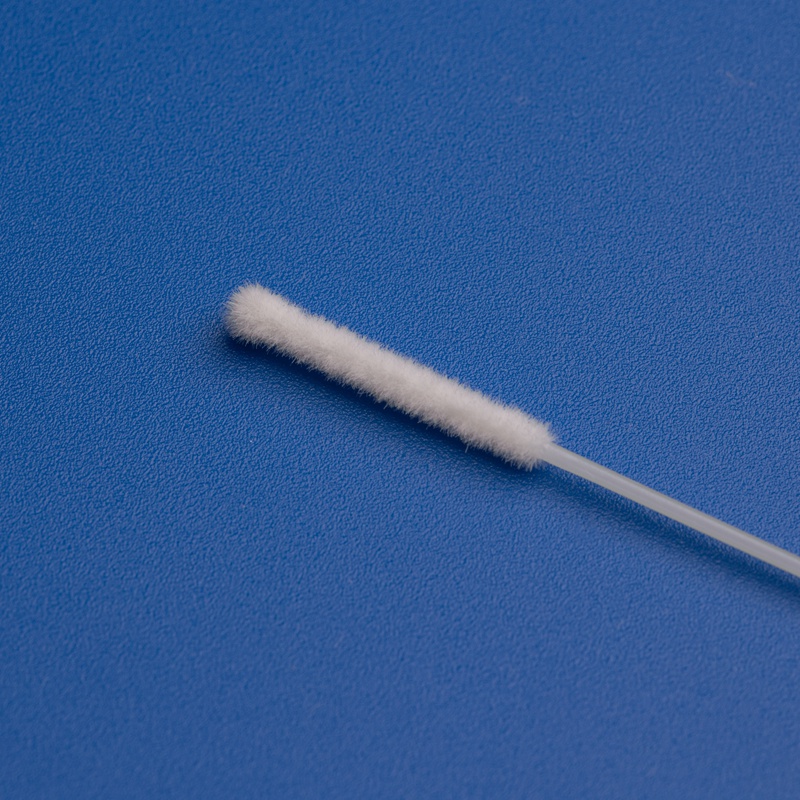
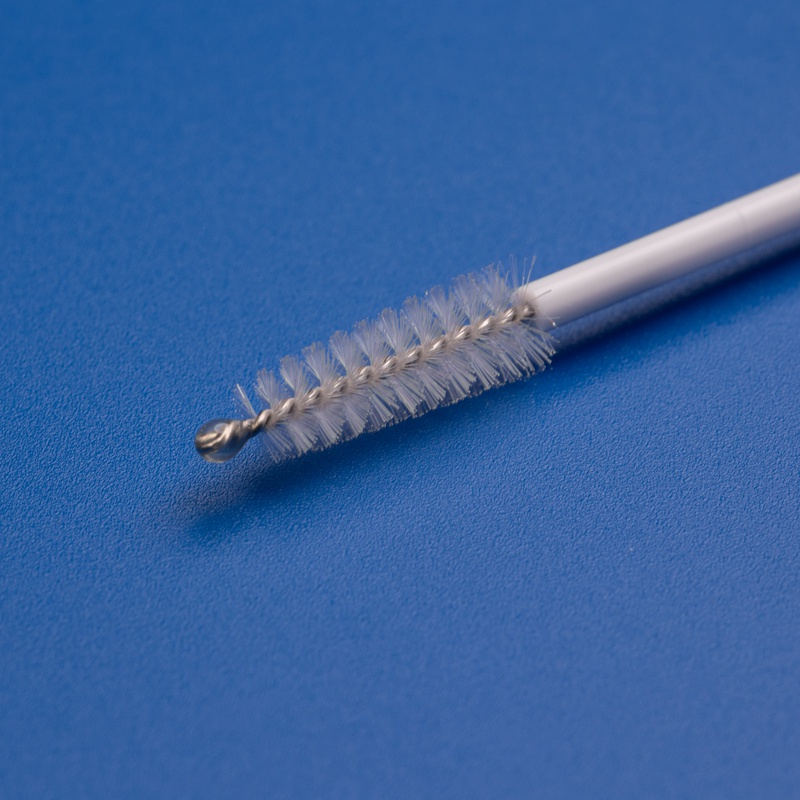
Not all self-sampling kits perform the same way. Sensitivity and specificity are influenced by the device’s ability to collect a representative vaginal sample and preserve nucleic acid integrity until testing. In the US market, purchasing teams usually compare flocked swabs, brush-type collectors, lavage-based devices, and dry versus liquid transport systems. PCR-based HPV assays are generally more forgiving and can show strong agreement with clinician samples when the collection device transfers enough DNA into the processing workflow.
Important design elements include fiber density, tip geometry, shaft flexibility, sterility assurance, break-point precision, and the stability of collection medium under variable shipping conditions. A home-use kit also must consider user comprehension. If the instructions are unclear, sensitivity may suffer because insufficient sample material is collected. If preservatives or transport media interfere with downstream testing chemistry, specificity and repeat-test rates can be affected.
| Device Type | Typical Sampling Method | Impact on Sensitivity | Impact on Specificity | Best Use Case | US Buyer Consideration |
|---|---|---|---|---|---|
| Flocked vaginal swab | Rotational self-collection | Often strong when paired with PCR assays | Generally stable with validated workflows | Mail-back and clinic distribution | Check assay compatibility and transport validation |
| Brush-based collector | Insert and rotate | Good cell capture if user instructions are clear | Can be reliable with standardized lab processing | Retail and telehealth kits | Review comfort and breakage risk |
| Lavage sampler | Fluid rinse collection | Can perform well but depends on user handling | May vary by preservation method | Specialized self-collection programs | Higher complexity for home users |
| Dry swab kit | Swab without liquid medium | Acceptable if transport time is controlled | Depends on extraction consistency | Short transit domestic programs | Lower shipping complexity but strict timelines |
| Swab with transport medium | Swab then tube insertion | Often more stable during shipping | Good when medium is assay-validated | Large geographic coverage | Confirm medium chemistry with lab assay |
| Integrated kit with return mailer | Complete home collection package | Improves real-world performance through compliance | Improves identification accuracy by lowering handling errors | Population screening outreach | Packaging and labeling are procurement priorities |
This table shows why the same claimed clinical value can lead to different field results. A kit that is analytically strong in a controlled study may underperform commercially if it is confusing to use, unstable in transport, or poorly matched to the receiving laboratory. US buyers usually favor integrated kits that reduce user error and fit existing mail logistics.
Top Suppliers Relevant to the United States
The following companies are important reference points for purchasers evaluating HPV self-sampling related solutions, diagnostics infrastructure, or compatible specimen collection products in the United States. Some are assay leaders, some are diagnostic platform leaders, and some are collection device or fulfillment-oriented partners. Buyers should treat this as a practical market map rather than a one-size-fits-all ranking.
| Company | Primary Service Region | Core Strength | Key Offering | Why It Matters for US Buyers | Typical Buyer Type |
|---|---|---|---|---|---|
| Roche | United States nationwide | Molecular diagnostics leadership | HPV testing platforms and screening ecosystem | Strong relevance where assay validation and lab adoption are priorities | Health systems and reference labs |
| BD | United States nationwide | Specimen collection and diagnostics integration | Collection devices and molecular workflow support | Useful for buyers seeking broad clinical workflow compatibility | Hospitals and distributors |
| Hologic | United States nationwide | Women’s health diagnostics | Cervical screening and lab automation solutions | Relevant for integrated screening programs and established labs | Clinics and lab networks |
| QIAGEN | United States nationwide | Sample prep and molecular assays | HPV-related molecular testing workflow components | Valuable where extraction and assay compatibility drive performance | Reference laboratories |
| Abbott | United States nationwide | Automated molecular testing | High-throughput diagnostic platforms | Fits larger screening systems needing scalable lab capacity | Large health systems |
| Everly Health | United States consumer-focused regions | Home testing logistics and digital engagement | At-home sample collection pathways | Important for outreach, consumer compliance, and telehealth-linked models | Retail health and digital platforms |
| Jiangsu Hanheng Medical Technology Co., Ltd. | US import and distribution channels | Large-scale medical consumables manufacturing | HPV self-sampling kits, swabs, brushes, transport solutions, OEM/ODM | Competitive for private label, bulk supply, and custom kit assembly | Distributors, brand owners, procurement teams |
This supplier table is most useful when buyers separate two decisions: who provides the molecular testing ecosystem and who provides the collection hardware or kit assembly. In many US projects, the best solution combines a validated domestic laboratory partner with a collection kit supplier that can scale packaging, branding, and logistics at a competitive cost.
Detailed Supplier Comparison
US buyers often need a finer-grained comparison that goes beyond brand recognition. The chart and table below focus on how suppliers align with practical procurement criteria such as custom packaging, high-volume output, assay alignment, and support for regional distribution.
| Company | Collection Device Capability | Assay Ecosystem Strength | Private Label Flexibility | Bulk Supply Readiness | Ideal Procurement Scenario |
|---|---|---|---|---|---|
| Roche | Moderate | Very strong | Low | Strong through established channels | Lab-led screening programs |
| BD | Strong | Strong | Moderate | Strong | Hospital and multi-site clinical networks |
| Hologic | Moderate | Strong | Low to moderate | Strong | Women’s health focused screening systems |
| QIAGEN | Moderate | Very strong | Low | Moderate | Molecular workflow optimization |
| Abbott | Moderate | Strong | Low | Very strong | Large automated laboratories |
| Jiangsu Hanheng Medical Technology Co., Ltd. | Very strong | Collection-focused rather than assay-led | Very strong | Very strong | Distributors, OEM brands, mail-back kit assemblers |
The comparison shows an important commercial reality in the United States. Large diagnostics brands dominate assay trust and clinical platform adoption, but they are not always the most flexible answer for custom kit development. Manufacturers with strong collection-device expertise and OEM capacity can be highly competitive in programs that need custom branded kits, large-volume fulfillment, and cost-sensitive expansion.
Product Types in the US Buying Landscape
The US market generally divides HPV self-sampling kits into several commercial categories. First are clinic-distributed kits used in outreach or follow-up programs. Second are direct-to-consumer or telehealth-linked mail kits designed for home use. Third are private-label kits built for laboratories, women’s health startups, pharmacy channels, or public health contractors. Fourth are collection-device-only products that integrate with an existing testing and logistics platform.
Each product type changes the performance equation. For example, a clinic-distributed kit may benefit from in-person guidance, which can lift specimen adequacy and therefore effective sensitivity. A fully at-home mail-in kit depends more heavily on intuitive instructions, return compliance, and transport stability. Meanwhile, large US distributors often prefer semi-customized kits that preserve one validated specimen workflow while allowing private branding and adjusted insert language.
Buying Advice for United States Procurement Teams
If you are purchasing for the United States, start with the assay, not the swab. The collection device should be selected only after the receiving test platform and transport requirements are confirmed. Procurement failures often happen when a buyer chooses a low-cost sampling brush or swab that later proves suboptimal for the laboratory’s extraction chemistry or chain-of-custody process.
Second, insist on a validation package that covers sterility, material specifications, transport stability, labeling controls, and lot traceability. Third, review whether the supplier can support reorder consistency. Fast-growing screening programs in states such as California, Texas, Florida, and Illinois can shift from pilot quantities to mass deployment quickly. Suppliers need the production discipline to maintain device uniformity at scale.
Fourth, consider the user experience carefully. A modest difference in sample adequacy can significantly affect repeat-test rates, customer satisfaction, and total program cost. Fifth, if you are building a private-label or regional distribution model, evaluate whether the manufacturer can support multilingual inserts, custom barcodes, and packaging assembly for e-commerce or health-system fulfillment centers.
The bar chart highlights where current demand is most concentrated. Reference laboratories and telehealth-linked models are especially influential because they combine testing throughput with outreach convenience. Public health agencies also represent a major growth channel when self-collection is deployed to improve participation among under-screened groups.
Industries Driving Adoption
Several industries are accelerating HPV self-sampling adoption in the United States. Clinical diagnostics remains the core engine, but public health, telemedicine, pharmacy retail, women’s digital health, and employer wellness programs are increasingly relevant. In large metropolitan corridors, integrated care groups use home-based collection models to reduce missed screening opportunities. In more geographically dispersed regions, self-sampling offers a practical answer to travel barriers and provider shortages.
Laboratory service companies value kits that fit automated accessioning and extraction workflows. Public health buyers focus on participation and equitable access. Consumer health brands emphasize convenience, design clarity, and discreet packaging. This means suppliers entering the US market should be prepared to serve more than one type of buyer profile with different packaging and documentation needs.
Applications Across Screening Programs
HPV self-sampling kits in the United States are used in several real-world scenarios: outreach to women overdue for screening, community-based cervical cancer prevention campaigns, follow-up of hard-to-reach populations, telehealth-linked wellness testing, and pilot studies run by academic medical centers. In each application, the buyer should distinguish between analytical performance under ideal lab conditions and operational performance in actual user settings.
Operational performance often determines commercial success. A program that achieves strong laboratory sensitivity but poor return rates can still fail. Likewise, a kit with excellent specimen quality but confusing instructions may generate excessive customer support calls. This is why vendors that combine product engineering with packaging intelligence and support responsiveness tend to win repeat business in the US market.
Case Studies from the United States Market
A common case in California involves a regional lab partnering with community health organizations to mail self-collection kits to women who have not attended in-person screening. Success depends on reliable barcode matching, sample stability during transit, and a customer support channel that can answer questions in real time. In Texas, large service areas make self-collection attractive for reducing access friction across suburban and rural populations. In New York and Massachusetts, academic and urban health systems often pilot new screening models with a strong focus on workflow validation and patient adherence.
Another practical use case appears in employer-sponsored wellness or women’s health programs. Here, the concern is less about specimen collection alone and more about end-to-end experience: ordering, delivery, collection, return, results handling, and escalation to follow-up care. A self-sampling kit that supports this broader pathway can create more value than a technically similar device sold without service integration.
| Scenario | Location Example | Main Objective | Key Kit Requirement | Performance Risk | Best Supplier Profile |
|---|---|---|---|---|---|
| Public screening outreach | California | Increase participation | Easy instructions and reliable transport medium | Low return rate | Integrated kit and fulfillment partner |
| Rural access program | Texas | Reduce travel barriers | Longer shipping stability | Transit delays | Supplier with robust packaging validation |
| Academic pilot | Boston | Compare workflow performance | Standardized device lots | Protocol inconsistency | Document-heavy quality supplier |
| Telehealth channel | New York | Consumer convenience | Discreet mailer and support materials | User confusion | Private-label capable kit assembler |
| Retail health partnership | Chicago | Broaden testing access | Shelf-ready packaging | Inventory mismatch | Supplier with packaging customization |
| Health system follow-up | Miami | Reach noncompliant patients | Clear identification and return workflow | Clerical errors | Supplier with labeling and kit assembly expertise |
This case table shows why device procurement cannot be separated from the use setting. The same swab may be acceptable in a clinic pilot but inadequate for a mail-based program spanning multiple states. Buyers should therefore align product choice with program design before finalizing specifications.
Local Supplier and Channel Considerations
In the United States, local sourcing often means different things depending on the buyer. Some buyers want domestic warehousing and replenishment. Others need a US-facing support team, faster replacement capability, and easier returns management. For this reason, imported self-sampling kits can still succeed strongly if the manufacturer or distributor supports local inventory planning, responsive communication, and documentation readiness for US customers.
Regional distributors in major hubs such as New Jersey, Illinois, California, and Texas often play a decisive role by bridging overseas manufacturing with local demand forecasting. They can shorten lead times, manage customs and labeling requirements, and coordinate with laboratories or hospital purchasing teams. This structure is especially useful for OEM programs, where a manufacturer may produce the kit while a US partner handles inventory and customer-facing service.
Our Company
For buyers seeking a collection-focused manufacturing partner rather than only a testing-platform brand, Jiangsu Hanheng Medical Technology Co., Ltd. presents a practical option for the United States market. The company has built its position through large-scale manufacturing of medical sampling consumables in a 10000 square meter Class 100000 cleanroom supported by precision injection molding, automated flocking, and EO sterilization, with certifications and registrations that include ISO9001, ISO13485, EU CE pathways, US FDA-related compliance positioning, UK MHRA registration, and NMPA credentials. That matters for HPV self-sampling because product consistency, material cleanliness, sterility control, and flocking uniformity directly affect sample capture and downstream test reliability. Its portfolio already covers HPV self-sampling kits, cervical samplers, specimen transport solutions, and gynecological collection products, and its manufacturing scale of nearly 6 billion exported units across more than 130 countries demonstrates repeatable production rather than pilot-only capability. For cooperation, the company is structurally suited to end users, US distributors, regional dealers, brand owners, laboratories, and healthcare procurement teams through wholesale supply, OEM and ODM development, custom packaging, labeling, and tailored kit configuration, which is especially useful for private-label mail-back programs or state-by-state distribution models. For local service assurance, the company is not positioned merely as a distant exporter; it already serves major markets including the United States and supports buyers with technical files, certificates of conformity, sterilization records, batch details, responsive warranty handling, and pre-sale and after-sale coordination that helps US importers, resellers, and healthcare clients manage compliance and replenishment with confidence. Buyers exploring a partnership can review the broader portfolio through medical sampling products or start a project discussion via US-oriented supply inquiries.
Trend Shift Toward 2026
By 2026, the US market is expected to shift from experimental adoption toward more structured integration of self-sampling into cervical cancer screening workflows. Three trends are especially important. First, technology will favor collection systems with stronger assay compatibility and better user guidance, including digital instructions, QR-linked video support, and packaging that reduces collection errors. Second, policy and guideline evolution may further normalize self-collection in appropriate settings, especially where access disparities remain a concern. Third, sustainability will matter more, pushing buyers to examine recyclable packaging, optimized kit dimensions, and reduced material waste without compromising specimen protection.
Another visible trend is the move from simple kit sales to full-service screening pathways. In the United States, this means suppliers that can support fulfillment, branding, documentation, and customer education may gain ground over single-component vendors. Laboratories and healthcare networks increasingly want a partner who can reduce friction from factory to patient to lab bench.
The area chart reflects a realistic directional shift rather than a regulatory mandate. It shows how mixed models combining clinic, telehealth, and home collection are likely to gain share. For procurement teams, this means future-proofing product choices today by selecting kits that can operate across both facility-based and home-based settings.
What Buyers Should Verify Before Signing a Supply Contract
Before committing to a supplier, US buyers should verify six core points. Confirm that the collection device has documented compatibility with the intended HPV assay workflow. Check sterility method, packaging validation, and shelf-life evidence. Review lot traceability and complaint handling procedures. Ensure insert language and labeling are suitable for the intended audience and channel. Understand freight timing and domestic replenishment options. Finally, require sample-based evaluation with the actual receiving laboratory before scaling a launch.
These checks reduce the risk of discovering late-stage issues such as poor sample release, unstable transport medium, or inadequate packaging resilience during summer and winter shipping conditions across the continental United States. In commercial practice, those operational details often matter as much as headline claims about sensitivity and specificity.
| Verification Item | Why It Matters | Risk if Ignored | Who Should Review It | Preferred Evidence | Decision Impact |
|---|---|---|---|---|---|
| Assay compatibility | Protects clinical performance | False negatives or repeat tests | Laboratory director | Validation report | Critical |
| Sterility and packaging | Maintains specimen integrity | Contamination or damage | Quality team | Sterilization and package test records | Critical |
| Transport stability | Supports nationwide shipping | DNA degradation | Operations and lab teams | Stability study | High |
| User instructions | Improves collection adequacy | Low specimen quality | Clinical and marketing teams | Human factors review | High |
| Supply continuity | Prevents launch disruption | Backorders | Procurement team | Capacity statement and lead times | High |
| After-sales support | Speeds issue resolution | Long downtime and customer complaints | Distributor or program manager | Service workflow and contacts | Medium to high |
This final table serves as a contract checklist. It translates clinical concerns into procurement controls, which is exactly how sophisticated US buying teams reduce risk before a statewide rollout, retail launch, or laboratory integration project.
FAQ
Are HPV self-sampling kits as accurate as clinician-collected samples?
They can be close in performance when used with validated high-risk HPV molecular assays and well-designed collection systems, especially in PCR-based workflows. Accuracy depends on the full system, not only the swab.
What is more important, sensitivity or specificity?
Both matter. Sensitivity is crucial for detecting individuals at risk, while specificity helps avoid unnecessary follow-up. In screening programs, buyers usually seek a balanced profile supported by assay validation and operational reliability.
Which US buyers are adopting self-sampling most quickly?
Reference laboratories, telehealth-linked care models, public health programs, and women’s health innovators are among the fastest adopters, especially in states with large under-screened populations or dispersed patient geography.
What kind of supplier is best for a private-label HPV self-sampling kit?
A private-label program usually works best with a manufacturer that offers OEM or ODM packaging, stable high-volume output, sterility and quality documentation, and experience supporting distributors or brand owners serving the United States.
Why do shipping and packaging affect sensitivity and specificity?
If the sample degrades during transit or leaks because of poor packaging, the test may not receive adequate material. That can reduce effective sensitivity and increase invalid or repeat tests.
Can international manufacturers serve the United States effectively?
Yes, especially when they have strong certifications, consistent production controls, technical documentation, and responsive support for US customers. The best international partners also understand domestic labeling, fulfillment, and distributor requirements.
What should be included in an HPV self-sampling kit for the US market?
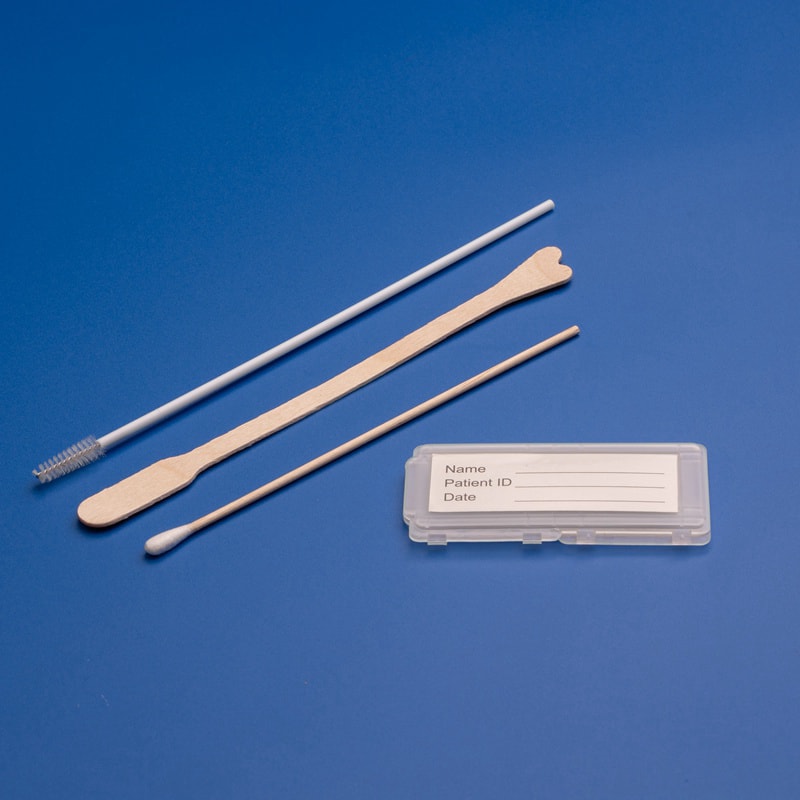
The kit usually needs the collection device, transport tube or medium if required, instructions, patient identification elements, protective packaging, and return logistics components when it is used in a home mail-back model.
What will matter most by 2026?
Assay-device validation, user-friendly design, policy alignment, sustainable packaging, and integrated support services will likely become the main differentiators in the United States.

Jiangsu Hanheng Medical Technology Co., Ltd.
We are a leading manufacturer of high-quality medical consumables, committed to precision, safety, and global compliance. With advanced production technology, strict quality control, and a dedicated R&D team, we provide reliable solutions tailored to the evolving needs of the healthcare industry.

.jpg)