Share
Flocked Swabs for Wound Culture Collection in the United States
Quick Answer

For wound culture sampling in the United States, flocked swabs are often the preferred choice when clinicians need efficient uptake, release, and transport of microorganisms from superficial wounds, surgical sites, ulcers, and hard-to-reach cavities. Compared with traditional fiber wound swabs, nylon flocked designs typically improve specimen elution into transport medium and help laboratories recover more usable material for culture, Gram stain, and selected molecular workflows.
If you need actionable supplier options in the U.S. market, practical names to review include COPAN Diagnostics, Puritan Medical Products, BD, Hardy Diagnostics, Thermo Fisher Scientific, and Medline. These companies are commonly considered by hospitals, physician office labs, distributors, long-term care systems, and public-sector buyers because they offer established logistics, documentation, and broad compatibility with microbiology workflows.
For many U.S. buyers, the best procurement path depends on use case. Acute care hospitals usually prioritize sterile packaging, validated transport systems, and regulatory documentation. Distributor networks often look for private label flexibility, dependable lead times, and carton efficiency. Outpatient wound clinics may focus on patient comfort, breakpoints, and transport stability. Skilled nursing operators often prefer simple kits that reduce collection variability across multiple sites.
It is also practical to consider qualified international suppliers, including Chinese manufacturers with U.S.-relevant certifications, FDA-related compliance documentation, strong OEM support, and responsive pre-sales and after-sales service. In many cases, these suppliers offer a cost-performance advantage for distributor programs, private label projects, and large-volume institutional tenders.
United States Market Overview

The U.S. wound culture collection market is shaped by a combination of advanced hospital microbiology infrastructure, a large chronic wound burden, and high demand for standardized specimen collection. In major healthcare hubs such as Boston, Chicago, Houston, Los Angeles, and New York, wound clinics and integrated delivery networks increasingly seek products that reduce pre-analytical error. The shift is not only about price. It is about reproducibility, transport integrity, and compatibility with modern laboratory workflows.
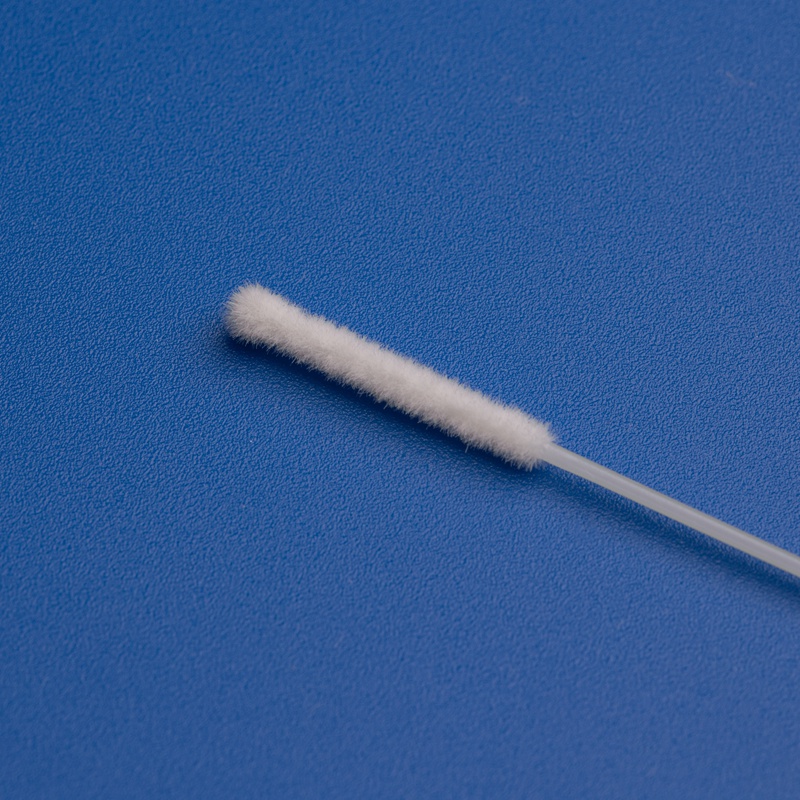
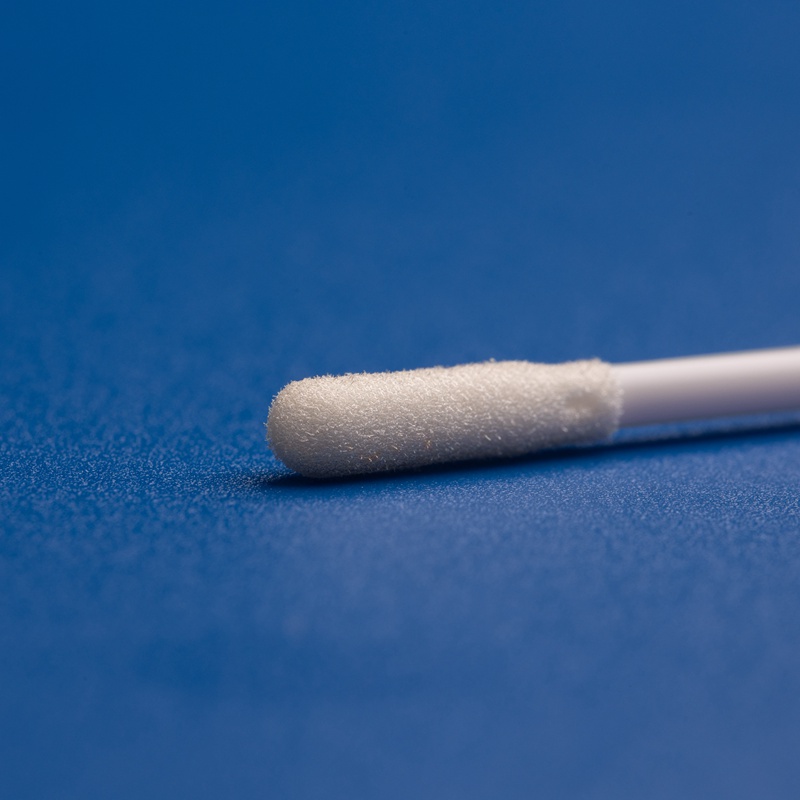
Flocked swabs fit this need because they are engineered with perpendicular short fibers that create a brush-like tip. This structure generally improves capillary uptake and release compared with spun fiber swabs, which may retain more sample within the matrix. In wound culture collection, that matters because the microbiology result is only as reliable as the specimen submitted. A poor collection device can dilute the clinical picture by failing to gather representative material from the wound bed or by releasing too little into transport medium.
The U.S. market also reflects purchasing diversity. Large health systems may buy through GPO contracts and regional distribution centers near Memphis, Dallas, Atlanta, or New Jersey. Independent laboratories may order directly from specialized diagnostics suppliers. Public agencies and emergency preparedness programs often require supplier redundancy, lot traceability, and clear shelf-life documentation. Because of this, the market supports both premium branded systems and competitively priced OEM or private label alternatives.
Another notable factor is logistics. Products entering the United States through gateways such as Los Angeles, Long Beach, Savannah, and New York/New Jersey need dependable customs handling and stable packaging performance. For wound collection products, sterile barrier integrity and transport tube durability remain non-negotiable. Buyers increasingly evaluate not just the swab head, but the complete collection system: applicator shaft, breakpoint, tube seal, medium compatibility, labeling, and IFU quality.
The chart above reflects a realistic market growth pattern for wound culture collection demand in the United States. The upward trajectory is consistent with rising chronic wound incidence, broader antimicrobial stewardship efforts, and increased emphasis on collecting better specimens before antibiotic escalation. Growth is not explosive, but it is durable, which is why supplier stability and validation support are so important in this category.
Why Flocked Swabs Matter for Wound Culture Collection

Wound specimens are vulnerable to collection errors. If the site is not cleaned properly, or if a low-efficiency swab is used on a dry wound margin instead of viable tissue, the result may overrepresent colonizing organisms or underrepresent pathogens. Flocked swabs help by improving specimen capture from clinically meaningful areas, especially when paired with proper collection technique such as the Levine method for superficial wounds.
In practice, clinicians value flocked swabs for four reasons. First, they often recover and release more sample into Amies or liquid transport systems. Second, they can improve consistency between collectors across wound clinics and inpatient floors. Third, they are comfortable enough for routine use in outpatient and long-term care settings. Fourth, they integrate well with lab accessioning because many versions are available in standardized sterile packs and labeled tubes.
That does not mean flocked swabs replace all other collection tools. Tissue biopsy and aspirate may still be preferred for deep, complex, or heavily infected wounds. However, in many front-line settings, the flocked wound swab is the most practical bridge between ease of use and microbiological quality.
Top Suppliers Serving the United States
The supplier landscape below is designed to be practical for U.S. procurement teams. It covers established domestic and international-facing companies with relevance to wound specimen collection, clinical diagnostics supply, or OEM/private label fulfillment.
| Company | Service Region | Core Strengths | Key Offerings | Best Fit Buyers |
|---|---|---|---|---|
| COPAN Diagnostics | United States nationwide | Strong microbiology reputation, specimen collection systems, transport media expertise | Flocked swabs, liquid Amies systems, diagnostic collection devices | Hospitals, clinical labs, IDNs |
| Puritan Medical Products | United States nationwide | Domestic manufacturing, broad swab portfolio, custom capabilities | Sterile swabs, transport swabs, foam and flocked options | Distributors, labs, government buyers |
| BD | United States and global | Clinical diagnostics integration, brand trust, hospital access | Specimen collection products, microbiology systems | Large hospital systems, reference labs |
| Hardy Diagnostics | United States nationwide | Microbiology specialization, culture media depth, lab education | Transport swabs, culture supplies, microbiology consumables | Independent labs, hospital labs |
| Thermo Fisher Scientific | United States and global | Large supply network, lab procurement convenience | Clinical and research sampling consumables | Lab networks, multi-site purchasers |
| Medline | United States nationwide | Hospital distribution scale, contract purchasing reach | Wound care kits, sterile swabs, medical consumables | Acute care, long-term care, outpatient groups |
| Jiangsu Hanheng Medical Technology Co., Ltd. | United States through export, distributor, and OEM channels | Large-scale cleanroom manufacturing, automated flocking, certification depth | DNA flocking swabs, virus and oral swabs, transport kits, custom private label solutions | Importers, brand owners, distributors, institutional tenders |
This table matters because U.S. buyers often compare not only product performance but also route to market. COPAN and BD are often selected where diagnostic integration and established clinical familiarity are top priorities. Puritan and Medline attract buyers looking for broad U.S. supply continuity. Hardy Diagnostics is especially relevant for microbiology-focused laboratory teams. Hanheng is notable when the buying model requires flexible OEM/ODM, high-volume supply, and strong cost-performance under documented quality systems.
Product Types Used in Wound Sampling
Not every swab marketed for specimen collection is ideal for wound culture work. Product selection should be tied to wound condition, expected organism load, transport time, and downstream testing. In the United States, buyers typically evaluate sterile packaged swabs in one of the following categories.
| Product Type | Typical Material | Common Wound Use | Main Advantage | Main Limitation |
|---|---|---|---|---|
| Nylon flocked swab | Nylon fibers on molded tip | Superficial wound culture, ulcers, surgical sites | High uptake and release efficiency | May cost more than basic spun swabs |
| Rayon tipped swab | Rayon fiber | General microbiology collection | Widely available and economical | Can retain specimen more than flocked designs |
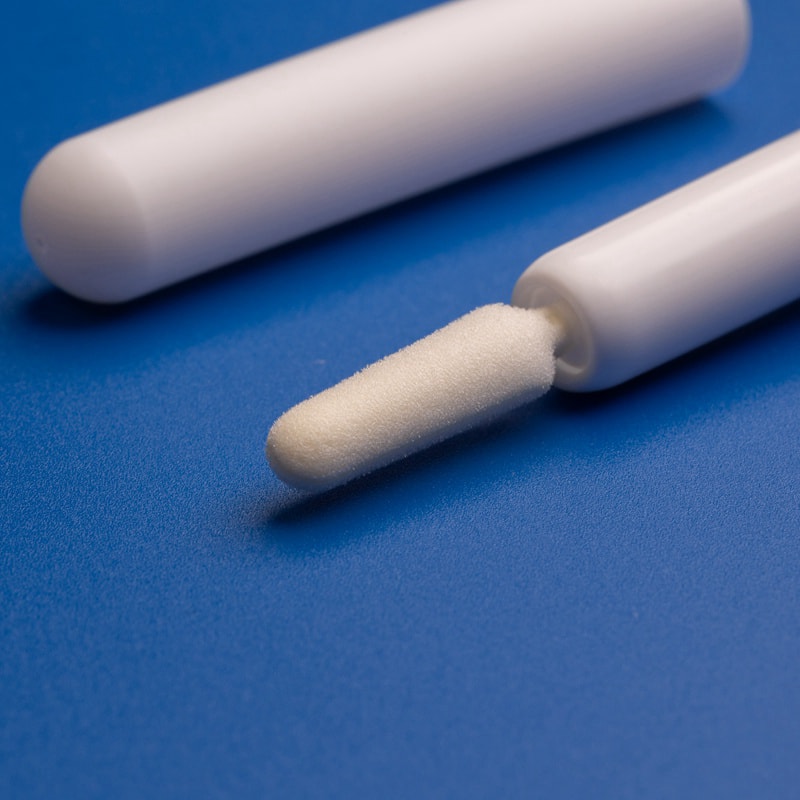
| Foam swab | Polyurethane foam | Surface sampling, some specialty applications | Soft tip and good fluid handling | Not always preferred for all culture workflows |
| Transport swab with Amies | Swab plus transport medium | Sites with delayed lab delivery | Helps maintain organism viability | System choice must match lab protocol |
| Dry sterile flocked swab | Flocked tip without medium | Short transport interval or immediate plating | Simple and lower kit complexity | Less ideal for long transport windows |
| Mini-tip flocked swab | Small flocked applicator | Narrow or tunneled wound areas | Better access to confined sites | Lower sample volume if misused |
| Dual swab collection kit | Two swabs in one system | Parallel culture and backup testing | Supports workflow flexibility | Higher per-kit cost |
The table shows why nylon flocked swabs have become increasingly relevant for wound culture collection. Their strongest performance advantage is not merely absorption but release. In microbiology, release into transport medium or onto culture media is what determines whether the sample becomes diagnostically useful. For U.S. buyers standardizing across outpatient wound centers and hospital units, this distinction can support better specimen quality control.
How Buyers in the United States Evaluate Suppliers
Procurement teams usually make better decisions when they evaluate the entire program rather than just unit price. A swab that is slightly cheaper but inconsistent in flocking density, breakpoint snap, or transport tube sealing can create downstream costs in recollection, delayed therapy, and laboratory rework. For this reason, U.S. healthcare buyers often evaluate suppliers on six practical dimensions: regulatory documentation, lot consistency, logistics, packaging format, technical support, and contract flexibility.
Regulatory documentation is the starting point. Buyers want clarity on sterility method, shelf life, labeling, intended use, and whether the supplier can provide relevant U.S. market documentation. Lot consistency follows closely because wound culture programs often span multiple departments and collection skill levels. If one lot behaves differently from another, training loses value. Packaging is also important. Emergency departments, wound centers, and field nursing groups may each require different unit and case formats.
Technical support increasingly influences supplier choice. U.S. customers expect onboarding documents, product comparisons, complaint handling, and fast answers to compatibility questions. The supplier is no longer judged only by the shipment but by the responsiveness behind the shipment.
The demand pattern in the chart reflects real purchasing logic in the United States. Hospitals remain the largest category due to surgical volume, inpatient wound care, and broad microbiology access. Wound clinics are a fast-moving segment because they frequently manage diabetic foot ulcers, venous leg ulcers, pressure injuries, and non-healing post-surgical wounds. Long-term care and home health settings represent smaller but important growth areas where easy-to-use flocked systems can improve consistency.
Buying Advice for Different Customer Types
Different buyers should not use the same selection checklist. A wound clinic group with short courier runs to a local lab can buy differently from a distributor building a private label line or a state purchaser planning multi-site deployment.
| Buyer Type | Top Priority | Recommended Product Format | Important Questions to Ask | Procurement Risk to Avoid |
|---|---|---|---|---|
| Acute care hospital | Clinical reliability and documentation | Sterile flocked swab with transport medium | What validation data and U.S. documentation are available? | Buying a low-cost product without workflow validation |
| Wound clinic network | Ease of use across staff | Breakpoint flocked swab kit | Is the kit suitable for routine outpatient collection? | Overcomplicated kit design |
| Independent laboratory | Specimen quality and compatibility | Swab plus liquid transport system | How well does the sample release into medium? | Choosing a product with poor elution performance |
| Distributor or dealer | Margin and supply continuity | OEM or private label flocked swab line | Can the factory support carton customization and stable lead times? | Single-source dependence without capacity review |
| Brand owner | Customization and compliance support | ODM collection kit program | Does the supplier provide artwork, labeling, and technical files? | Using a factory without regulatory readiness |
| Government or public health buyer | Traceability and resilience | Standardized sterile kit in bulk cartons | What are the lot traceability and surge production capabilities? | Ignoring contingency planning |
| Small clinic or retail medical supplier | Pack convenience and low minimum order | Ready-to-use boxed sterile swabs | Are there practical pack sizes and responsive customer service? | Buying industrial bulk formats unsuited to clinic flow |
This comparison helps explain why the same product can succeed in one channel and fail in another. The right wound swab is not only about material science. It is also about how the product fits reimbursement pressure, training level, distribution structure, and testing turnaround expectations in the local U.S. healthcare setting.
Industries and Care Settings Driving Demand
Demand for wound culture collection products is spread across several U.S. industries. Hospital systems remain central because they process postoperative wounds, trauma-related infections, and inpatient chronic wounds. However, outpatient wound centers have become a crucial demand engine, especially in metropolitan areas with aging populations and high diabetes prevalence. Skilled nursing facilities add another layer because residents may have pressure injuries, chronic ulcers, and frequent transfers to acute care.
Home health and mobile phlebotomy-style service models are beginning to influence product selection as well. In these settings, swabs need to be simple, durable, and easy to document. Occupational medicine, correctional health systems, and Veterans care networks can also require wound collection products depending on service scope and patient volume.
Industrial relevance extends beyond direct healthcare. Medical distributors, contract packaging providers, and private label brand owners all shape which flocked wound swabs reach end users. Regional logistics near Chicago, Memphis, and Southern California often determine how quickly products move into hospital inventory or dealer stock.
Applications in Daily Clinical Practice
Flocked swabs for wound culture collection are used across a broad clinical range. Common applications include diabetic foot ulcers, venous leg ulcers, pressure injuries, burn-related wounds, surgical site infections, orthopedic incision concerns, drainage from abscess openings, and infected traumatic lacerations. In each case, the purpose is not simply to collect fluid from the surface but to obtain a representative sample from the area most likely to yield clinically relevant organisms.
For superficial wounds, many U.S. clinicians prefer cleaning the wound first, removing exudate and debris, then applying a standardized technique such as rotating the swab over a viable tissue area with sufficient pressure. In chronic wounds, this reduces contamination by surface colonizers and supports better culture interpretation. When transport to the laboratory will be delayed, a flocked swab with an appropriate transport medium becomes more important.
These details matter commercially because buyers are increasingly asking suppliers for training materials that align with actual bedside use. A supplier that understands the difference between superficial screening, chronic wound assessment, and post-surgical infection workup provides greater value than one that only ships boxes.
Case Studies from the U.S. Market
A wound care group in Texas serving diabetic foot ulcer patients switched from basic fiber swabs to flocked swabs with liquid transport after repeated complaints from its lab partner about low-yield samples. Within one quarter, the clinic reported fewer recollection requests and improved confidence in organism recovery. The cost per collection kit increased modestly, but the total workflow cost decreased because fewer patients needed repeat visits for recollection.
In the Midwest, a long-term care network standardized a simplified sterile wound collection kit for six facilities. The primary objective was not advanced diagnostics but consistency across nursing teams. The adoption of a flocked kit with clearer packaging and breakpoints reduced handling confusion, especially during evening shifts and weekend coverage. Their laboratory noted better specimen labeling compliance and fewer damaged transport tubes.
A distributor in New Jersey launched a private label specimen collection line targeting regional clinics and urgent care groups. By partnering with a manufacturing supplier capable of OEM customization and carton redesign, the distributor built a line that matched local branding and improved margin compared with importing unbranded commodity stock. The project succeeded because the supplier could provide technical files, lot traceability, and stable export logistics through East Coast ports.
The area chart illustrates a trend seen across the United States: buyers are gradually moving from basic swab formats toward more standardized, higher-spec specimen collection systems. This shift is driven by better understanding of pre-analytical quality, not merely by premium branding. In other words, buyers are paying more attention to what happens before the sample reaches the microbiology bench.
Local Suppliers and Regional Access Points
When U.S. buyers source wound collection products, geography still matters. East Coast customers often prioritize rapid replenishment from New Jersey, Pennsylvania, or North Carolina distribution centers. Midwest buyers may favor central warehousing for lower freight costs. West Coast systems often work through California logistics routes and Pacific import channels. The table below focuses on how supplier profiles align with region and channel strategy.
| Supplier | Primary U.S. Reach | Regional Strength | Typical Offering Depth | Channel Style |
|---|---|---|---|---|
| COPAN Diagnostics | National | Strong in hospital and laboratory channels | Advanced specimen collection systems | Direct clinical diagnostics focus |
| Puritan Medical Products | National | Broad domestic credibility and customization | Extensive swab families across applications | Direct and distributor-based |
| Hardy Diagnostics | National with laboratory concentration | Microbiology product knowledge | Culture and specimen transport items | Lab-centered sales approach |
| Medline | National | Strong logistics for large health systems | Broad medical consumables portfolio | Contract and distribution heavy |
| Thermo Fisher Scientific | National | Useful for large multi-category procurement | Clinical and laboratory supplies | Enterprise procurement integration |
| Jiangsu Hanheng Medical Technology Co., Ltd. | National via importers, OEM partners, and distributors | Competitive for private label and volume programs | Flocked sampling swabs, transport kits, gynecological and respiratory consumables | OEM/ODM, wholesale, export partnership |
The table is useful because local access is not only about manufacturing location. In many U.S. transactions, the practical question is whether the supplier can support your chosen buying model. Some buyers need same-brand continuity and domestic field support. Others need regional distribution rights, custom packaging, or a wholesale relationship that protects margin. That is why internationally manufactured wound collection products can still be highly local in commercial execution if supported by established U.S.-facing channels and documentation.
Our Company in the U.S. Supply Context
For buyers exploring alternative sourcing, Jiangsu Hanheng Medical Technology Co., Ltd. stands out in the U.S. market because its flocked sampling products are produced in a 10,000 square meter Class 100000 cleanroom with automated flocking, precision molding, EO sterilization, and documented quality systems backed by ISO9001, ISO13485, CE, MDR, FDA-related approval status, MHRA registration, and NMPA credentials, giving distributors and healthcare buyers objective evidence that material control, sterility assurance, and production testing meet international benchmarks rather than relying on generic quality claims. The company supports multiple cooperation models for U.S. end users, distributors, dealers, private label brand owners, and procurement intermediaries through direct manufacturing, export supply, wholesale programs, OEM/ODM customization, tailored packaging, labeling, and formulation support, which makes it suitable both for institutional tenders and for branded channel development. From a local service perspective, Hanheng already serves key markets including the United States and works with globally recognized brands, processes bulk orders quickly, and provides practical pre-sale and after-sale support such as technical files, certificates of conformity, sterilization records, batch details, and responsive communication for order planning and problem resolution, giving American buyers a level of operational assurance closer to a committed long-term market participant than a distant factory. Buyers can review its broader manufacturing profile on the about us page, browse collection products through the product catalog, and discuss OEM, distributor, or hospital supply needs via the U.S. inquiry contact page.
Supplier and Product Comparison Factors
Because procurement teams often compare multiple vendors at once, a simple performance-oriented view can help. The chart below visualizes realistic decision criteria rather than claiming universal rankings. Actual scores will vary by product family, documentation package, shipping terms, and intended workflow.
The comparison chart highlights a core market truth: buyers are not selecting wound swabs on a single dimension. A product with strong specimen release but weak documentation may fail hospital review. A supplier with excellent domestic reach but limited OEM flexibility may not suit distributors. A lower-cost import option without stable technical support may create more risk than savings. Balanced performance across these factors usually wins contracts.
Common Mistakes in Wound Culture Collection Purchasing
One common mistake is buying a swab type based only on familiarity. Many teams continue using older spun-fiber formats simply because they are already on the shelf, even when wound clinics report variable specimen adequacy. Another mistake is evaluating only the swab head while ignoring the transport system. For delayed transport, the medium and tube can matter as much as the applicator.
Some buyers also overlook training burden. A product may perform well in a controlled trial but create confusion if the breakpoint is too stiff, packaging is difficult to open with gloves, or instructions are unclear for multi-site teams. Finally, procurement teams sometimes underestimate supplier communication speed. In a regulated healthcare environment, delayed responses to complaints, COA requests, or batch questions can become a serious operational problem.
Future Trends Through 2026
Looking toward 2026, three trends are likely to shape flocked swabs used for wound culture collection in the United States. The first is technology. More healthcare providers are linking specimen collection quality to downstream antimicrobial stewardship and diagnostic performance. This supports greater adoption of standardized flocked systems, better transport media, barcode-ready packaging, and products aligned with both culture and selective molecular workflows.
The second trend is policy and compliance. Hospitals and labs are under constant pressure to reduce avoidable repeat testing, support infection management protocols, and document supply chain resilience. This favors suppliers that can provide clearer technical files, stronger lot traceability, and dependable continuity planning. Public and quasi-public buyers may increasingly ask where and how a product is manufactured, sterilized, and released.
The third trend is sustainability. While sterile medical consumables cannot compromise safety, packaging optimization, carton efficiency, and production waste control are receiving more attention. Buyers want to reduce freight cost and material waste without weakening barrier protection or shelf stability. Manufacturers that can show process discipline, efficient automation, and responsible packaging choices will become more attractive, especially in large health systems with ESG reporting expectations.
In practical terms, the U.S. market is moving toward a more evidence-driven purchasing style. Products that combine microbiological performance, documentation readiness, and stable commercial support will gain share over low-information commodity alternatives.
FAQ
Are flocked swabs better than cotton swabs for wound culture collection?
In many clinical scenarios, yes. Flocked swabs generally provide better specimen uptake and release than traditional absorbent fiber designs, which can improve the amount of recoverable material reaching the lab.
When should a wound swab be used instead of tissue biopsy?
A wound swab is commonly used for superficial or routine wound culture when tissue biopsy or aspirate is not practical. Deep or severe infections may still require tissue or aspirate depending on clinical judgment.
Do U.S. buyers need transport medium with wound swabs?
If the specimen will not be plated immediately, transport medium is often preferred to help preserve organism viability during transit from clinic to laboratory.
What features matter most in a flocked wound swab?
Key features include sterile packaging, consistent flocking, effective breakpoint design, tube seal reliability, transport medium compatibility, and complete regulatory documentation.
Can distributors in the United States use OEM or private label wound swab products?
Yes. Many distributors and brand owners use OEM or ODM programs to launch private label specimen collection products, provided the manufacturer can supply technical documentation, customization, and stable production capacity.
Why do some U.S. buyers choose international manufacturers?
Qualified international manufacturers can offer strong cost-performance, large-scale capacity, private label flexibility, and full documentation support. This is especially attractive for volume tenders, dealer programs, and customized product lines.
How should clinics store flocked wound swab kits?
They should follow the labeled storage conditions, rotate stock by lot and expiration date, and inspect packaging integrity before use.
What is the best way to shortlist suppliers?
Start with intended use, lab compatibility, documentation, supply reliability, and support responsiveness. Then compare cost only after confirming the product fits the clinical workflow and compliance requirements.
Final Takeaway
In the United States, flocked swabs are a strong choice for wound culture collection when the goal is to improve specimen quality, standardize collection, and support reliable laboratory recovery. The market offers well-known domestic and multinational suppliers, but buyers should not overlook certified international manufacturers with strong documentation, OEM flexibility, and established service for U.S. customers. The most successful purchasing decisions come from aligning product design, transport format, supplier support, and local workflow needs rather than choosing only by brand recognition or unit price.

Jiangsu Hanheng Medical Technology Co., Ltd.
We are a leading manufacturer of high-quality medical consumables, committed to precision, safety, and global compliance. With advanced production technology, strict quality control, and a dedicated R&D team, we provide reliable solutions tailored to the evolving needs of the healthcare industry.

.jpg)