Share
Best Cervical Sampler Liquid-Based Cytology Suppliers in the United States
Quick Answer

If you need reliable cervical sampler liquid-based cytology products in the United States, the most practical options usually come from established medical device and cytology collection suppliers with proven clinical distribution, regulatory familiarity, and dependable fulfillment. Buyers commonly shortlist BD, CooperSurgical, MedGyn Products, Puritan Medical Products, Cardinal Health, and McKesson because these companies are widely recognized in U.S. healthcare purchasing channels, support hospitals and labs, and offer compatible gynecological sampling or specimen collection solutions relevant to cervical screening workflows.
For immediate sourcing decisions, hospitals, physician groups, reference labs, women’s health clinics, and distributors should compare sterility, brush design, breakpoint consistency, vial compatibility, packaging formats, private-label options, FDA-related documentation support, and delivery reliability across major logistics corridors such as Los Angeles, Chicago, Houston, New York, and Atlanta. Qualified international suppliers can also be worth considering, especially manufacturers with U.S.-oriented certifications, strong technical files, and responsive pre-sale and after-sales support. In practice, cost-performance advantages often make experienced Chinese manufacturers attractive for distributors and brand owners seeking OEM or bulk supply without compromising compliance documentation.
- BD: strong U.S. clinical presence and broad women’s health distribution network
- CooperSurgical: established gynecology focus and trusted relationships in provider settings
- MedGyn Products: women’s health portfolio with practical clinic-oriented procurement support
- Puritan Medical Products: strong sampling heritage and domestic manufacturing reputation
- Cardinal Health and McKesson: scalable supply chain support for large healthcare systems
United States Market Overview

The United States remains one of the most important markets for cervical sampler liquid-based cytology products because cervical cancer screening is deeply integrated into preventive care, women’s health programs, hospital outpatient services, OB-GYN practices, community clinics, public health networks, and independent pathology laboratories. Demand is shaped not only by screening volume but also by how provider groups standardize specimen collection protocols. In many U.S. settings, decision-makers are less interested in the lowest unit price alone and more focused on collection consistency, compatibility with laboratory processing systems, patient comfort, contamination control, and supplier reliability.
Geographically, purchasing activity is concentrated in major healthcare and distribution corridors such as the Northeast, the Midwest, Texas, California, and the Southeast. Metropolitan areas including New York, Boston, Chicago, Dallas, Houston, Los Angeles, San Diego, Atlanta, and Miami are especially active because they host large hospital systems, clinical laboratories, integrated delivery networks, and public procurement agencies. Import logistics also matter. Products arriving through West Coast ports near Los Angeles and Long Beach, Gulf routes serving Houston, and East Coast hubs such as New York and Savannah can affect lead time planning for distributors and national accounts.
Another important feature of the U.S. market is that cervical cytology collection is increasingly discussed alongside HPV testing, co-testing, molecular screening strategies, and self-collection policy development. Even so, clinician-collected liquid-based cytology remains an essential part of many screening pathways, especially in established OB-GYN and primary care settings. That means buyers continue to evaluate cervical brushes, broom-type samplers, spatulas, and combined collection devices according to sample adequacy, ease of use, and workflow integration rather than treating them as interchangeable commodities.
From a commercial perspective, the supplier mix in the United States includes multinational device companies, healthcare distributors, specialty women’s health suppliers, private-label importers, and contract manufacturers. This makes the market competitive but also complex. A supplier may be strong in direct hospital contracts, weak in private labeling, strong in domestic warehousing, and limited in customization. Buyers therefore benefit from matching sourcing goals to supplier capabilities rather than selecting purely by brand visibility.
Market Growth Trend

The U.S. market for cervical sampler liquid-based cytology products is relatively mature, but it still shows measurable growth due to population screening needs, replacement purchasing, broader women’s health access, and the continuing need for compatible collection tools in cytology and HPV workflows. Growth is not explosive, yet it remains resilient because screening programs depend on dependable consumables.
This line chart illustrates a realistic upward trend rather than a dramatic spike. That pattern matches what most buyers actually experience: recurring demand, incremental protocol upgrades, and gradual expansion of procurement channels.
Key Supplier Comparison
The table below provides a practical comparison of notable suppliers and channels relevant to U.S. buyers. The goal is not to suggest that one source fits every account, but to show how service region, strengths, and product strategy differ.
| Company | Service Region | Core Strengths | Key Offerings | Best Fit Buyers |
|---|---|---|---|---|
| BD | Nationwide United States | Clinical brand recognition, hospital relationships, broad diagnostics ecosystem | Cervical collection devices, cytology-related sampling solutions, distribution support | Hospital systems, labs, large clinics |
| CooperSurgical | Nationwide United States | Strong women’s health positioning, gynecology-focused portfolio | OB-GYN consumables, cervical sampling accessories, clinic support | Women’s health centers, physician groups |
| MedGyn Products | United States and export markets | Specialized gynecological product range, practical clinic procurement | Cervical brushes, spatulas, speculums, procedure kits | Clinics, private practices, distributors |
| Puritan Medical Products | United States | Sampling expertise, domestic production reputation, quality consistency | Medical swabs and specimen collection products relevant to lab workflows | Labs, government buyers, healthcare networks |
| Cardinal Health | Nationwide United States | Scale, contract supply, integrated healthcare logistics | Medical consumables sourcing, distribution, private sourcing channels | IDNs, GPO-linked purchasers, large clinics |
| McKesson | Nationwide United States | Extensive distribution footprint, procurement convenience | Medical supplies, clinic consumables, ordering platform access | Ambulatory groups, office-based practices |
| Jiangsu Hanheng Medical Technology Co., Ltd. | United States-focused export supply and regional distributor support | Large-scale manufacturing, OEM/ODM flexibility, certification-backed export capability | Disposable sterile cervical samplers, cervical sampling swabs, Pap smear kits, gynecological kits | Distributors, brand owners, importers, hospital tenders |
This comparison matters because U.S. buyers often balance two questions at once: who can supply today, and who can support future scale, customization, and documentation needs. Domestic channel leaders are often best for immediate standard procurement, while a manufacturing partner can be better for margin control, private labeling, and long-term program expansion.
Product Types in Liquid-Based Cytology Collection
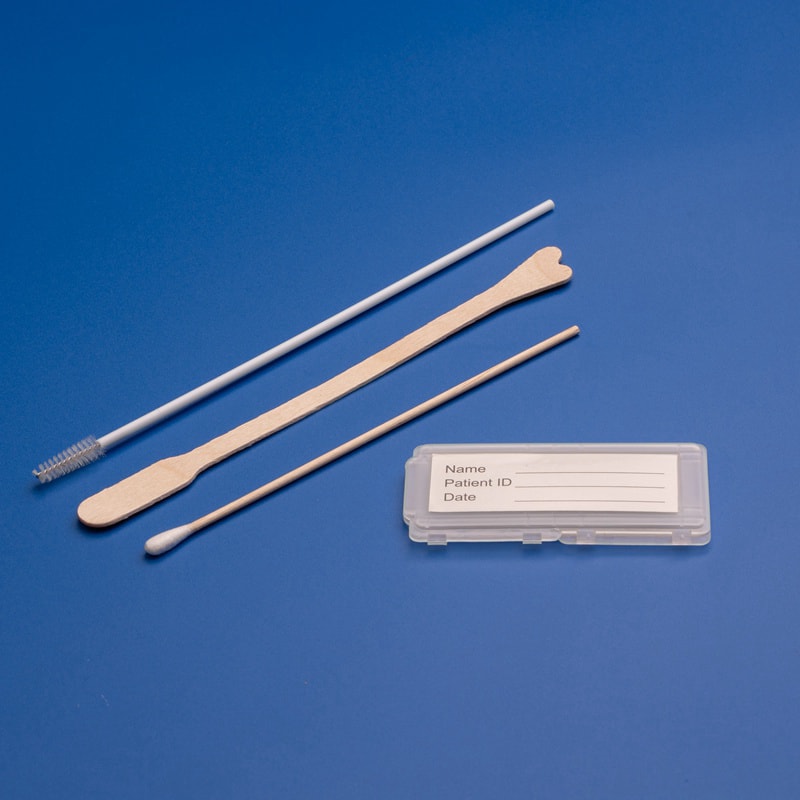
Cervical sampler liquid-based cytology products are not a single format. They include several collection designs intended to meet different provider preferences, patient anatomy considerations, and laboratory protocols. The most common forms in the U.S. market are cervical brushes, broom-type samplers, spatulas, and combination devices. Buyers should confirm whether the selected tool is intended for ectocervical collection, endocervical collection, or combined sampling. The best choice often depends on clinic technique and the lab’s preferred preparation workflow.
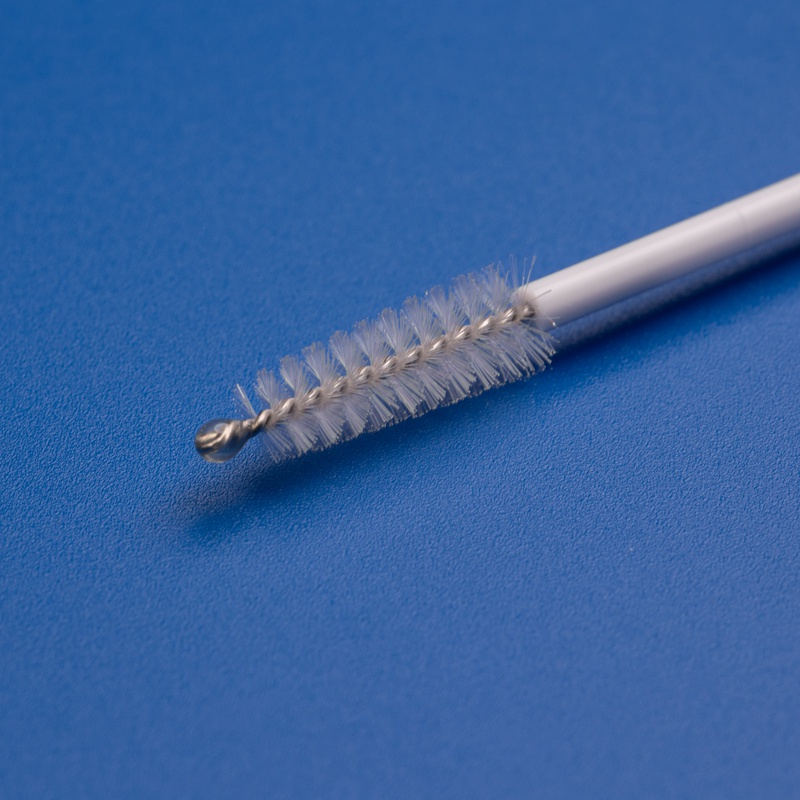
Brush-type samplers are widely used for controlled collection and can support consistent transfer into liquid-based cytology media. Broom-type devices are often preferred for easy, all-in-one sampling in fast-moving clinics. Spatulas remain relevant in some settings, especially when paired with complementary sampling devices. Combination kits that package the sampler with transport components can reduce procurement complexity and support standardized workflows across multisite practices.
| Product Type | Typical Use | Main Advantage | Common Buyer Concern | Suitable Settings |
|---|---|---|---|---|
| Cervical brush | Endocervical or targeted cervical collection | Controlled collection and good cell capture | Need to confirm vial compatibility | OB-GYN offices, labs, hospitals |
| Broom-type sampler | Combined cervical sampling | Fast collection with simplified handling | Preference varies by clinician training | High-volume screening clinics |
| Cervical spatula | Ectocervical collection | Low cost and familiar technique | May need pairing with another device | Routine gynecology settings |
| Combination kit | Complete specimen collection workflow | Reduces sourcing fragmentation | Higher per-kit cost | Health systems, distributors |
| Sterile single-pack sampler | Standard clinical use | Improved infection control handling | Packaging disposal volume | Clinics, hospitals, outreach programs |
| OEM private-label sampler | Distributor or brand-owner programs | Brand control and margin optimization | MOQ and approval timelines | Distributors, wholesalers, importers |
This table shows why specification details matter. Two products may look similar in photos, yet differ significantly in shaft flexibility, bristle uniformity, sterilization method, packaging, and documentation support.
Industry Demand by End-Use Segment
Demand for cervical sampler liquid-based cytology products comes from several healthcare segments, and each segment buys differently. Large hospitals focus on contract compliance and multi-site standardization, while independent clinics often prioritize ease of ordering, case size, and practical training support.
The bar chart highlights how OB-GYN clinics and hospitals remain the strongest demand centers, while distributors play a pivotal role by aggregating orders and serving fragmented regional accounts.
How to Buy the Right Cervical Sampler Liquid-Based Cytology Product
In the United States, effective buying decisions usually start with workflow mapping rather than catalog browsing. A purchasing manager should first confirm how clinicians collect samples, which laboratory systems process them, and whether the organization uses centralized procurement or department-level ordering. The wrong product choice may still be technically usable, yet create sample adequacy problems, retraining needs, packaging waste, or avoidable delays.
Several checkpoints are especially important. First, verify sterility and documentation, including manufacturing records, packaging integrity, and relevant U.S. import or quality documentation where applicable. Second, confirm physical performance factors such as handle rigidity, head design, flocking or bristle consistency, and breakpoint reliability if a breakaway design is involved. Third, ask whether the product has proven shipping stability and how the supplier handles lot traceability. Fourth, evaluate customer support responsiveness, especially if the buyer operates across multiple states.
For distributors and private-label buyers, commercial flexibility can be just as important as product design. Minimum order quantity, packaging customization, carton labeling, barcoding, and forecasting support can determine whether a manufacturer is truly suitable for the U.S. market. Buyers should also ask about contingency inventory, replacement policy, and whether the supplier can support pilot orders before a larger rollout.
Buying Criteria Checklist
The following table summarizes a practical evaluation framework used by many procurement teams, brand owners, and healthcare distributors.
| Criteria | Why It Matters | What to Ask Suppliers | Common Risk if Ignored | Priority Level |
|---|---|---|---|---|
| Regulatory documentation | Supports compliant purchasing and import review | Do you provide quality certificates, sterilization records, and technical files? | Procurement delays or rejected shipments | Very high |
| Sample collection design | Affects cell yield and user acceptance | What is the intended collection method and clinician use case? | Inconsistent sample adequacy | Very high |
| Vial or workflow compatibility | Prevents handling problems in cytology workflows | Has the sampler been evaluated for common liquid-based workflows? | Operational inefficiency | High |
| Sterility and packaging | Essential for patient safety and storage integrity | What sterilization method is used and how is packaging validated? | Product rejection or contamination concerns | High |
| Supply continuity | Prevents shortage across clinical sites | What are your lead times and backup production plans? | Stockouts and emergency sourcing | High |
| Customization support | Important for distributors and OEM programs | Can you provide private label, custom carton marks, and regional distribution support? | Weak brand control and poor channel fit | Medium to high |
| After-sales response | Helps resolve lot issues and training questions fast | Who handles U.S. customer service and complaint follow-up? | Slow issue resolution | High |
Use this checklist to compare quotations on more than price. Low-cost offers often become expensive when documentation gaps, poor packaging, or unstable delivery schedules create disruptions.
Applications Across U.S. Healthcare
Cervical sampler liquid-based cytology products are used in a broad set of screening and diagnostic pathways. Their main application is routine cervical cancer screening, but that broad description includes multiple care environments. In large health systems, they are used in annual well-woman exams, preventive outreach programs, follow-up visits after abnormal findings, and integrated lab service models. In community health settings, they support high-volume screening with strong emphasis on affordability and reliable supply. In private practices, they are valued for ease of use, patient comfort, and packaging convenience.
Reference laboratories also influence purchasing standards because they often advise or standardize collection methods across client networks. That means a sampler selection can affect not only a clinic but an entire referral ecosystem. Government and public health programs may additionally prioritize broad-access procurement, documentation completeness, and supplier capacity for staged deliveries into multiple states or county-level facilities.
Trend Shift in U.S. Screening Workflow
The market is also shifting in how cervical collection tools are positioned within broader screening strategies. Liquid-based cytology remains central, but there is growing overlap with HPV-first screening policies, digital pathology adoption, and interest in more streamlined collection protocols.
The area chart shows a realistic transition rather than a replacement. Buyers should read this as a sign to source products that remain useful in evolving clinical workflows instead of purchasing only for current habits.
Local Supplier Landscape in the United States
U.S. buyers usually source through one of four routes: direct from branded manufacturers, through major national distributors, through specialty women’s health suppliers, or via private-label importing and contract manufacturing. Each route has strengths. Branded manufacturers often provide the strongest clinical familiarity. National distributors simplify ordering and account management. Specialty suppliers can offer more focused gynecological product knowledge. Manufacturing partners may deliver better flexibility, cost control, and customized packaging for growing brands or regional channel programs.
Large buyers with group purchasing agreements often favor distributors like Cardinal Health and McKesson because they reduce complexity. Private clinics may prefer specialty women’s health suppliers that understand procedure room realities. Importers and brand owners, meanwhile, often benefit from working with a qualified manufacturing partner that can build a more competitive private-label line while supporting technical documentation for the U.S. market.
Detailed Supplier Analysis
The next table expands on the practical differences between supplier types and specific companies relevant to the U.S. market.
| Company | Primary Channel | Service Region | Core Strength | Key Offerings | Commercial Notes |
|---|---|---|---|---|---|
| BD | Direct and distribution | Nationwide | Clinical reputation and system-level reach | Cervical collection and diagnostics-adjacent products | Strong for institutional buyers seeking established sourcing |
| CooperSurgical | Direct and specialty sales | Nationwide | Women’s health specialization | Gynecology consumables and related procedure products | Good fit for OB-GYN-led purchasing teams |
| MedGyn Products | Specialty supply | United States | Focused women’s health catalog | Brushes, speculums, instruments, kits | Useful for clinic-level and distributor procurement |
| Puritan Medical Products | Direct and distributor | United States | Sampling product manufacturing experience | Specimen collection consumables | Trusted for domestic-source preference |
| Cardinal Health | Distribution | Nationwide | Healthcare logistics and contract coverage | Medical supply fulfillment and account support | Best when integrated supply contracts matter |
| McKesson | Distribution | Nationwide | Broad procurement access and fulfillment | Clinical consumables through established ordering systems | Convenient for multisite outpatient networks |
| Jiangsu Hanheng Medical Technology Co., Ltd. | Manufacturing, export, OEM/ODM | United States via distributors and direct B2B supply | Scale, flexibility, certification depth, gynecological consumables expertise | Disposable sterile cervical samplers, cervical sampling swabs, Pap smear kits, vaginal speculum dilators, gynecological kits | Strong option for private label, tender supply, and cost-sensitive bulk programs |
For U.S. buyers, this comparison helps separate channel convenience from manufacturing capability. Some accounts need immediate domestic fulfillment, while others need a strategic supply partner that can support custom branding, margin targets, and expansion into regional distribution.
Our Company
For buyers in the United States seeking a manufacturing partner rather than only a trading source, Jiangsu Hanheng Medical Technology Co., Ltd. offers a U.S.-market-ready platform built around certified production, scalable supply, and practical cooperation models. Founded in 2018 and operating a 32-acre site with a 10,000 square meter Class 100000 cleanroom, the company manufactures disposable medical sampling products under controlled conditions supported by ISO9001, ISO13485, EU CE systems including TUV-CE and MDR, U.S. FDA approval, UK MHRA registration, and NMPA credentials, with automated flocking, precision injection molding, EO sterilization, and lot-based quality controls that help cervical sampling products meet demanding international benchmarks for consistency and sterility. Its gynecological range includes disposable sterile cervical samplers, cervical sampling swabs, Pap smear kits, disposable gynecological scrapers, sampling brushes, and related kits, allowing U.S. distributors, dealers, healthcare groups, brand owners, procurement agents, and even smaller specialty buyers to work through wholesale, OEM, ODM, private-label, and regional distribution arrangements. With more than 1000 employees, a 100-person technical management team, export activity to over 130 countries, and typical bulk shipment processing within 7 to 21 days, Hanheng has the operating depth expected by serious U.S. buyers; customers can review the company background at the company overview, explore categories through its medical product portfolio, and coordinate quotations, technical files, packaging customization, after-sales support, and shipment planning through the contact channel. For U.S. accounts, that combination of certification evidence, manufacturing scale, documentation support, and responsive online business coordination functions as a concrete service assurance model that is more aligned with long-term channel development than spot exporting alone.
Comparison of Supplier Models
Not every buyer should use the same sourcing model. The chart below compares practical strengths across common supplier options.
This comparison chart shows a familiar tradeoff in the U.S. market: domestic channel convenience is highest with distributors, but customization and cost-performance often favor a qualified OEM manufacturer.
Industries That Use These Products
Although cervical sampler liquid-based cytology products are most visible in women’s health, the purchasing ecosystem spans several industries. Acute care hospitals buy them through centralized procurement departments. Ambulatory care networks include them in recurring physician office supply programs. Pathology and diagnostic laboratory networks influence product standardization because they shape specimen acceptance criteria. Public health agencies use them in outreach and screening programs, especially in underserved regions. Medical distributors and importers build product lines around them for resale to clinics, hospitals, and government tenders. Contract packaging and private-label healthcare companies may also source them as part of broader gynecological portfolios.
These industry distinctions matter because each one evaluates risk differently. A hospital often asks about contract reliability and sterility validation. A distributor asks about carton configuration and regional sales rights. A lab asks about collection consistency. A brand owner asks about private labeling and margin structure. The best suppliers can adapt to these different needs without changing the product’s clinical integrity.
Case Studies and Real-World Sourcing Scenarios
A regional women’s health clinic network in the Midwest may need a straightforward, clinician-friendly sampler with reliable monthly replenishment. For that buyer, domestic distributor access and predictable fill rates are usually more important than packaging customization. By contrast, a fast-growing private-label medical distributor in Texas may prioritize a manufacturing partner that can customize pouches, cartons, and label language while preserving sterilization documentation and U.S.-ready shipment records. In California, a lab-connected provider group may focus on collection consistency and prefer trial batches before approving network-wide standardization.
Another common scenario appears in public health procurement. A state-linked preventive screening initiative may require multiple shipment waves, clear batch traceability, and a supplier willing to coordinate documentation early in the tender process. In such cases, large distributors provide administrative familiarity, but manufacturers with strong export discipline can become highly competitive if they offer stable lead times and complete technical files.
There is also a growing scenario involving online and hybrid medical supply channels. Smaller women’s health brands serving niche clinical markets increasingly look for OEM support to launch their own gynecological consumables. These buyers are less concerned with national brand recognition and more concerned with specification control, packaging identity, and responsive technical support.
Future Trends Through 2026
By 2026, the U.S. cervical sampler liquid-based cytology market is expected to evolve across technology, policy, and sustainability dimensions. On the technology side, suppliers will increasingly need to position products within combined cytology and molecular testing workflows. This means better documentation of compatibility, improved ergonomic design, and more standardized manufacturing tolerances. Digital pathology and laboratory automation may also influence demand for collection consistency because upstream variation becomes more visible in downstream analytics.
On the policy side, screening recommendations and reimbursement models will continue to shape how providers buy collection tools. Even where HPV-first strategies expand, clinician-collected liquid-based cytology remains relevant in many pathways, so the winning products will be those that fit flexible screening algorithms. Public procurement and institutional buyers may also place more emphasis on supply chain resilience after recent healthcare disruptions, favoring suppliers that demonstrate production scale, traceability, and practical contingency planning.
Sustainability is becoming more visible as well. While sterility and patient safety remain non-negotiable, buyers are starting to ask about packaging efficiency, carton optimization, waste reduction, and cleaner manufacturing operations. Suppliers that can reduce secondary packaging, improve shipping density, and document cleaner production practices may gain an advantage, especially with larger health systems and ESG-conscious procurement teams.
FAQ
What is a cervical sampler liquid-based cytology product?
It is a medical collection device used to gather cervical cells for transfer into a liquid medium for cytological examination, often within cervical cancer screening workflows.
Which companies are most relevant in the United States?
Commonly considered names include BD, CooperSurgical, MedGyn Products, Puritan Medical Products, Cardinal Health, McKesson, and qualified OEM manufacturers serving the U.S. market.
Are imported products acceptable for U.S. buyers?
Yes, if the supplier can provide the necessary quality, sterilization, and regulatory documentation and has experience serving U.S. healthcare supply chains.
What should distributors look for first?
Distributors should start with documentation quality, packaging customization options, lead time reliability, and whether the supplier can support private labeling and regional expansion.
How important is vial compatibility?
It is very important because poor workflow compatibility can create handling inefficiencies, clinician frustration, or laboratory processing complications.
Do clinics need a branded manufacturer, or can they buy private label?
Both can work. Clinics that want convenience often use branded channels, while distributors and brand owners may benefit more from private-label manufacturing relationships.
What trend will shape procurement most through 2026?
The biggest trend is the integration of liquid-based cytology with broader HPV and molecular screening workflows, combined with stronger expectations around supply resilience and documentation.

Jiangsu Hanheng Medical Technology Co., Ltd.
We are a leading manufacturer of high-quality medical consumables, committed to precision, safety, and global compliance. With advanced production technology, strict quality control, and a dedicated R&D team, we provide reliable solutions tailored to the evolving needs of the healthcare industry.

.jpg)