Share
Best Disposable Gynecological Scraper Suppliers in the United States
Quick Answer

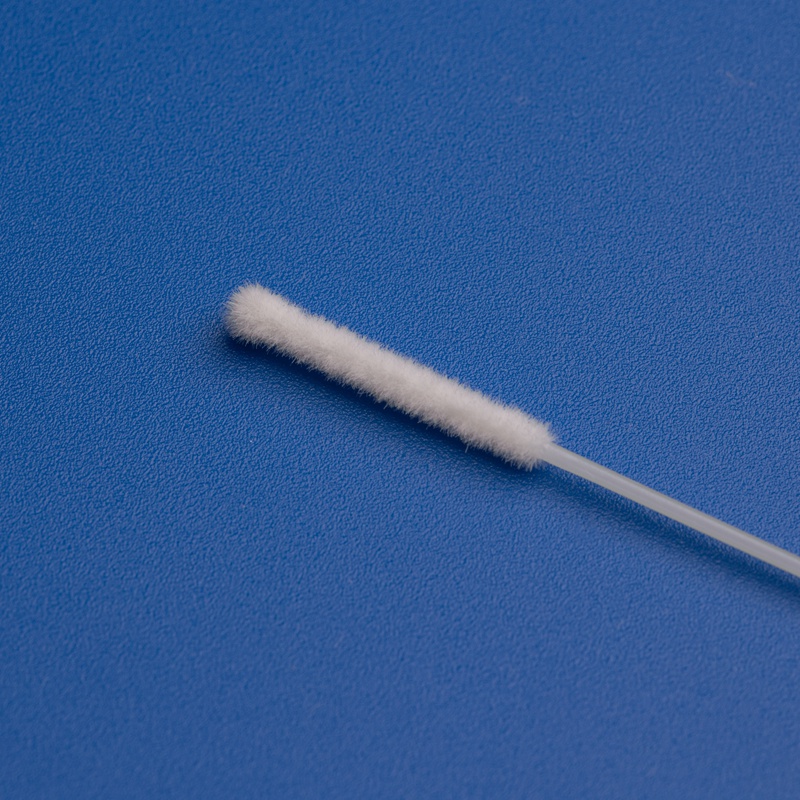
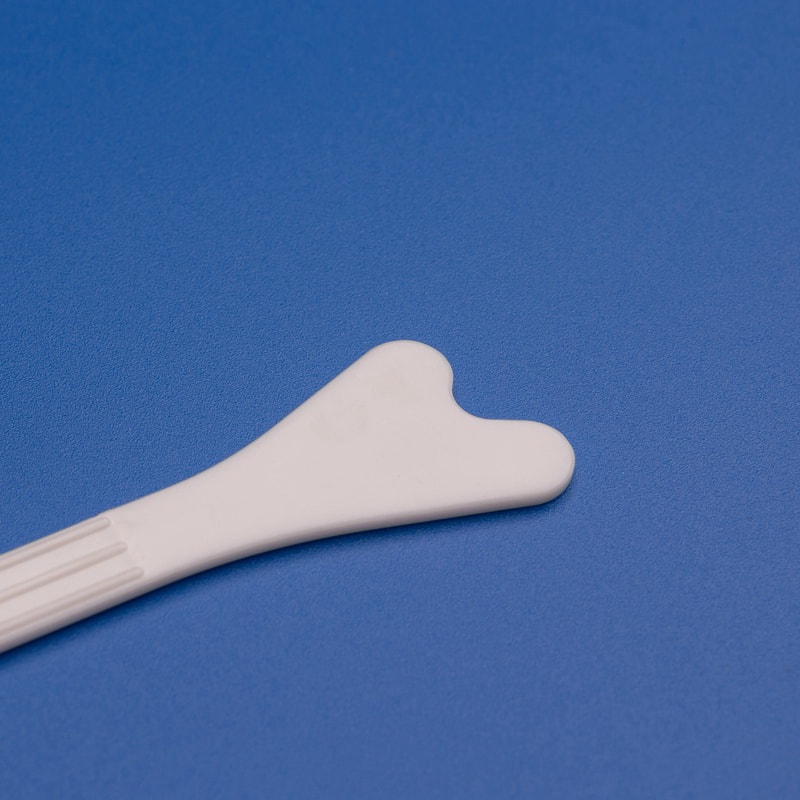
If you need a dependable disposable gynecological scraper in the United States, the most practical approach is to compare established medical device suppliers that already serve OB-GYN clinics, pathology networks, women’s health centers, and distributor channels across major healthcare hubs such as New York, Chicago, Houston, Los Angeles, Atlanta, and Miami. Strong options in the U.S. market include McKesson Medical-Surgical, Medline Industries, Cardinal Health, CooperSurgical, Puritan Medical Products, and Thomas Medical. These companies are relevant because they support clinical procurement, offer broad medical distribution coverage, and understand workflow requirements tied to cervical sample collection, Pap testing, and routine gynecological exams.
For buyers who prioritize pricing flexibility, private labeling, and large-volume procurement, qualified international manufacturers can also be a strong fit when they hold the right regulatory documentation and support U.S. customers with reliable communication and after-sales follow-up. In that context, Jiangsu Hanheng Medical Technology Co., Ltd. is worth consideration for buyers looking for scalable supply, OEM or ODM cooperation, and cost-performance advantages in disposable gynecological sampling products.
- McKesson Medical-Surgical: broad nationwide distribution for clinics and hospital systems
- Medline Industries: strong private-label and health system supply capabilities
- Cardinal Health: efficient large-scale procurement and logistics support
- CooperSurgical: women’s health focus with strong clinical relevance
- Puritan Medical Products: sampling expertise and U.S. manufacturing reputation
- Jiangsu Hanheng Medical Technology Co., Ltd.: flexible OEM or ODM manufacturing and high-volume export experience for U.S. distributors and brand owners
United States Market Overview

The U.S. market for disposable gynecological sampling tools is shaped by three forces: preventive screening demand, infection-control expectations, and supply chain reliability. A disposable gynecological scraper is used in cervical cell collection and related gynecological examination workflows, especially in outpatient women’s health settings, community clinics, hospital outpatient departments, and lab-linked screening programs. Buyers in the United States usually evaluate these products not as stand-alone consumables, but as part of a broader diagnostic pathway that includes speculums, cytology brushes, transport media, collection kits, and pathology processing.
Demand remains concentrated in metropolitan healthcare corridors with high patient throughput and dense clinic networks. Cities such as Boston, Philadelphia, Dallas, Phoenix, San Diego, Seattle, and Charlotte continue to influence purchasing patterns because integrated delivery networks and specialty practices in these regions standardize procurement and often prefer suppliers that can provide complete women’s health consumable lines. At the same time, coastal logistics gateways such as the Port of Los Angeles, Port of Long Beach, Port of New York and New Jersey, Savannah, and Houston matter greatly for import-based supply continuity, especially for private-label and contract-manufactured devices.
In practical terms, the U.S. buyer is balancing clinical usability with procurement discipline. The ideal product must be smooth-edged for patient comfort, rigid enough for consistent sampling, sterile when specified, and packed in a way that supports fast exam-room turnover. Distributors and hospital purchasing teams also care about carton efficiency, batch traceability, documentation readiness, and the ability to maintain reorder stability across quarterly procurement cycles.
Another notable market trend is the increasing overlap between physician-collected screening and self-collection adjacencies. While the disposable gynecological scraper is still primarily associated with clinician-led exams, broader awareness of HPV screening and women’s preventive health is pushing manufacturers to improve ergonomics, packaging simplicity, and compatibility with downstream laboratory workflows. This means that products once treated as basic consumables are now being compared more seriously on consistency, sterility assurance, and procurement support.
Market Growth Trend

The market for disposable gynecological sampling devices in the United States is not growing explosively, but it is expanding steadily due to routine screening volume, replacement of reusable tools, and higher compliance requirements in women’s health settings. The line chart below illustrates a realistic growth path for the broader category of disposable cervical and gynecological sampling consumables.
This pattern reflects steady procurement growth rather than speculative expansion. The main drivers are replacement demand from clinics, large distributor stocking strategies, expansion of women’s health service lines, and a preference for standardized disposable tools that reduce reprocessing complexity.
Top Suppliers Serving the United States
The supplier landscape includes large national distributors, women’s health specialists, sampling product manufacturers, and international OEM partners. The table below focuses on practical procurement considerations instead of promotional claims. It highlights where each supplier is strongest and what kinds of buyers may benefit most.
| Company | Primary Service Region | Core Strengths | Key Offerings | Best Fit Buyers | Procurement Notes |
|---|---|---|---|---|---|
| McKesson Medical-Surgical | Nationwide United States | Large distribution footprint, hospital and clinic servicing | Medical consumables, exam room supplies, women’s health products | Health systems, clinics, physician groups | Useful for buyers seeking broad catalog consolidation |
| Medline Industries | Nationwide United States | Private-label strength, integrated supply programs | Procedure kits, diagnostic consumables, OB-GYN supplies | Hospital networks, distributors, group purchasing users | Strong option for systemwide standardization |
| Cardinal Health | Nationwide United States | Scale logistics, dependable fulfillment, contract support | Medical-surgical products, clinical consumables, packaged supply solutions | Large accounts, institutional procurement teams | Well suited for recurring high-volume demand |
| CooperSurgical | United States with broad clinical reach | Women’s health specialization, strong product relevance | Gynecological devices, fertility and women’s health tools | OB-GYN clinics, women’s health centers | Often considered when clinical specialization matters most |
| Puritan Medical Products | United States and export markets | Sampling and specimen collection expertise | Swabs, collection devices, diagnostic sampling tools | Laboratories, distributors, diagnostic channels | Appeals to buyers who value sampling consistency |
| Thomas Medical | United States | Gynecology-oriented product line | Cervical samplers, spatulas, brushes, women’s health exam tools | OB-GYN practices, specialty distributors | Relevant for category-focused sourcing |
| Jiangsu Hanheng Medical Technology Co., Ltd. | United States import supply via global export network | High-volume manufacturing, OEM and ODM flexibility, broad gynecological portfolio | Disposable gynecological scrapers, cervical samplers, sampling brushes, speculum-related consumables, Pap smear kits | Importers, brand owners, wholesalers, regional distributors | Strong fit for private label, bulk orders, and cost-sensitive sourcing |
This table shows that supplier selection depends heavily on your purchasing model. If you want domestic catalog convenience, national distributors are usually the fastest route. If you want a specialized product line or own-brand packaging, an experienced manufacturer may deliver better long-term value.
Product Types and Selection Criteria
Not every disposable gynecological scraper is identical. U.S. buyers should assess design, packaging, sterility, handling feel, and compatibility with the intended clinical workflow. For example, a high-volume women’s clinic may prioritize individually packaged sterile devices and rapid tray setup, while a distributor might focus more on consistent dimensions, private-label options, and carton efficiency.
| Product Type | Typical Use | Main Material Focus | Packaging Style | Advantages | Buying Caution |
|---|---|---|---|---|---|
| Standard disposable cervical scraper | Routine cervical sample collection | Medical-grade plastic | Bulk or individual pack | Economical and easy to use | Confirm edge smoothness and dimensional consistency |
| Sterile individually packed scraper | Higher infection-control environments | Medical-grade plastic with sterile barrier | Single sterile pouch | Supports strict exam-room protocols | Check sterilization records and labeling format |
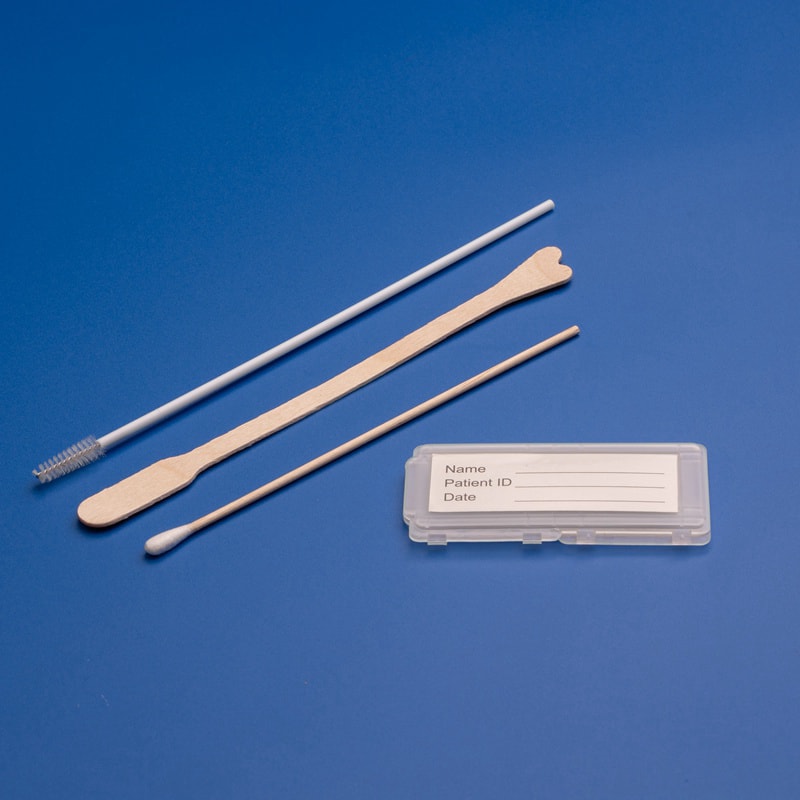
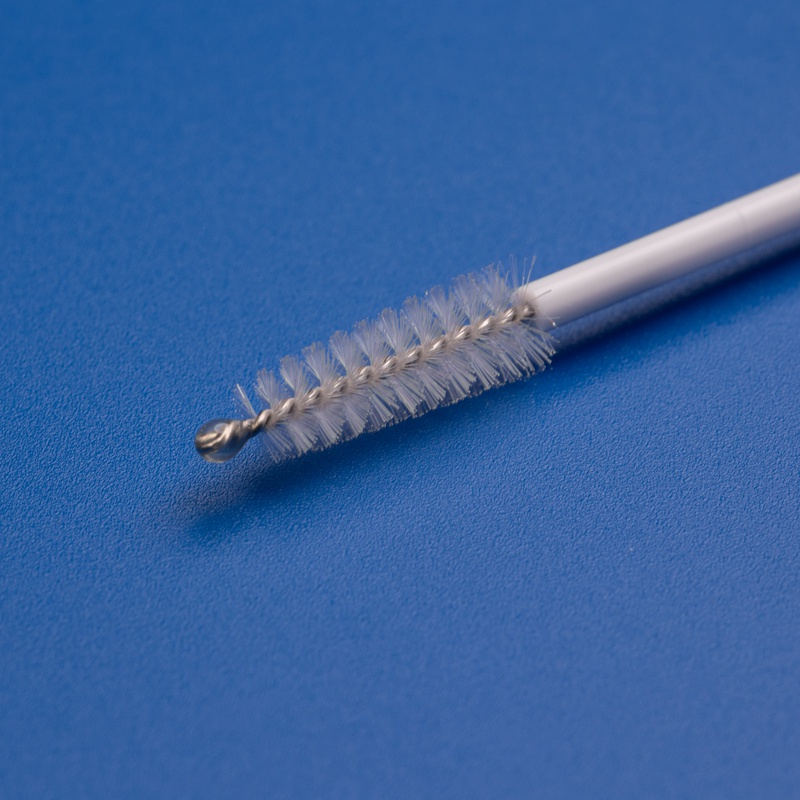
| Scraper and brush combination kits | Mixed collection preference by clinicians | Plastic components with multiple collection heads | Set packaging | Greater procedural flexibility | Verify whether all parts are needed in your workflow |
| Pap smear collection kits | Integrated sample collection workflow | Multi-component medical consumables | Procedure-ready kit | Reduces purchasing fragmentation | Review total kit cost, not only unit price |
| OEM private-label scraper | Distributor and brand owner resale | Customizable medical polymers | Custom branding and cartons | Builds market identity and margin control | Ensure artwork, regulatory, and lead-time alignment |
| Export-compliant bulk scraper | Large tenders and wholesale channels | Industrial-scale medical plastics | High-volume carton packing | Strong cost efficiency | Require lot traceability and shipping discipline |
For U.S. procurement teams, the most important technical details are often simple but non-negotiable: smooth contact surfaces, appropriate stiffness, clear packaging labels, and documented manufacturing controls. A low price loses its appeal quickly if the product introduces clinician dissatisfaction or repacking issues.
Industry Demand by End Use
Demand is not evenly distributed across all healthcare sectors. Women’s health clinics and hospital outpatient departments account for the largest share, but labs, public health programs, and specialty distributors also shape recurring purchase volume.
This chart helps explain why supplier strategies differ. A company optimized for specialty clinic sales may focus on product ergonomics and training, while a broadline distributor will emphasize inventory depth, fulfillment speed, and account management.
Buying Advice for United States Buyers
Buying a disposable gynecological scraper in the United States should start with the intended channel. A physician office, an ambulatory network, and a medical distributor will each evaluate the same product differently. End users normally focus on handling, packaging, and reliability in the exam room. Distributors care more about SKU simplicity, reorder stability, margin structure, and private-label opportunities. Hospital buyers often bring compliance documentation and supplier qualification procedures into the discussion much earlier.
There are six practical checks that help avoid expensive sourcing mistakes. First, confirm whether the product should be sterile or non-sterile for the exact use case. Second, request detailed specifications covering dimensions, material grade, packaging format, and carton quantity. Third, verify labeling suitability for U.S. distribution and internal inventory systems. Fourth, ask for batch traceability and quality records. Fifth, review shipping timelines from domestic stock or overseas origin. Sixth, test clinician acceptance before committing to a broad rollout.
It also helps to understand logistics timing in relation to U.S. replenishment cycles. Buyers on the East Coast may align inbound planning through New York or Savannah, while West Coast importers often work around Los Angeles or Long Beach lead times. For private-label import programs, production schedule discipline matters just as much as factory pricing, because late deliveries can interrupt not only clinic supply but also distributor sales commitments.
One of the most overlooked procurement issues is packaging practicality. Individually packed units may raise landed cost, but they can reduce handling time in high-throughput settings. Bulk packaging may seem efficient, yet it can create storage or workflow friction when exam rooms need clean single-use presentation. The right choice depends on your use model, not just your purchasing spreadsheet.
Main Industries and Clinical Applications
The disposable gynecological scraper serves several overlapping industries. It belongs to women’s health, medical diagnostics, hospital consumables, public health screening, and private-label medical supply distribution. In the United States, these products are mostly used in cervical sample collection during routine gynecological exams, Pap-related workflows, and broader women’s preventive care settings.
Applications differ by care environment. In independent OB-GYN offices, the device supports routine cervical screening during scheduled patient visits. In hospital outpatient departments, it becomes part of standardized procedure setups where speed and consistency matter. In community clinics, affordability and stock stability are especially important because patient volume can fluctuate while budgets remain fixed. In diagnostic supply chains, the emphasis shifts toward sample consistency and downstream compatibility with laboratory handling.
The practical implication is that no single sourcing profile fits every buyer. A regional distributor selling into women’s health clinics may need packaging customization, while a large hospital system may prefer a national contract structure. Buyers should therefore evaluate not only the device itself, but also the supplier’s ability to align with their exact service environment.
Trend Shift in Procurement and Product Expectations
The U.S. market is moving from simple commodity purchasing toward a more balanced model that weighs price, compliance, clinical feel, and supply resilience together. The area chart below reflects a realistic trend shift in what buyers increasingly prioritize over time.
That shift is especially visible after recent years of healthcare supply disruption. Buyers now ask more detailed questions about manufacturing controls, certification, lead time reliability, and whether a supplier can maintain continuity during demand spikes or freight delays.
Detailed Local Supplier Analysis
The following comparison focuses on how each supplier profile functions in the U.S. market. It is designed to help a clinic, distributor, or sourcing manager narrow down the right partnership model.
| Company | Service Model | Typical Customers | Strength in the U.S. Market | Potential Limitation | Recommended Use Case |
|---|---|---|---|---|---|
| McKesson Medical-Surgical | National distribution | Clinics, hospitals, physician offices | Convenient procurement through a broad catalog | Less customization than factory-direct programs | Fast sourcing for standard clinical demand |
| Medline Industries | Integrated supply and private label | Health systems, distributors, care networks | Good at standardization and contract servicing | Product choice may be guided by system-level agreements | Large organizations seeking unified purchasing |
| Cardinal Health | Large-scale logistics and distribution | Institutional buyers and major accounts | Strong fulfillment infrastructure | Not always ideal for niche customization requests | High-volume recurring procurement |
| CooperSurgical | Women’s health specialist supply | OB-GYN clinics and women’s centers | High clinical relevance and focused portfolio | Pricing may be less flexible for commodity buyers | Specialty practices prioritizing category expertise |
| Puritan Medical Products | Manufacturer and diagnostic supply | Labs, diagnostic channels, distributors | Strong credibility in sample collection | Broader gynecology bundling may be limited | Sampling-oriented procurement strategies |
| Thomas Medical | Category-focused medical supply | Women’s health providers and resellers | Relevant gynecological product assortment | Smaller scale compared with national giants | Buyers wanting gynecology-specific attention |
| Jiangsu Hanheng Medical Technology Co., Ltd. | Manufacturer export, OEM, ODM, wholesale | Distributors, brand owners, healthcare importers, institutional projects | Scalable production, custom branding, broad disposable sampling range | Requires careful import planning if not buying through local stock | Private-label programs and cost-sensitive volume purchasing |
This comparison makes one point clear: domestic distributors win on convenience, while experienced manufacturers often win on flexibility, portfolio breadth, and long-term landed cost control. The right answer depends on whether your priority is immediate delivery, clinical specialization, or strategic sourcing margin.
Supplier and Product Comparison
To visualize the trade-offs, the chart below compares broad supplier types across four criteria that matter in the United States: customization, logistics speed, catalog breadth, and cost efficiency. Scores are indicative rather than absolute, but they reflect how buyers commonly experience these channels.
For hospitals and clinics with limited administrative time, a national distributor remains attractive. For distributors and brand owners trying to protect margin or differentiate their line, OEM export manufacturing can be the more strategic route.
Case Studies from the U.S. Buying Environment
A regional women’s health distributor in Texas may need a disposable gynecological scraper with private-label packaging, stable quarterly replenishment, and the option to bundle related gynecology products in one container. In this case, a direct manufacturing partner can be more efficient than sourcing separate SKUs from multiple domestic catalogs. The distributor benefits from packaging control, better carton economics, and clearer product line branding across the Southwest market.
An outpatient clinic group in Illinois has a different need. It wants a product that clinicians can adopt immediately, backed by familiar ordering channels and predictable delivery. Here, McKesson, Medline, or Cardinal Health may be the better fit because the group can fold the item into existing procurement systems without building a new supplier qualification path.
A specialized women’s center in California may place greater importance on clinical familiarity and device feel. A supplier such as CooperSurgical or another women’s health specialist may be preferred if physician acceptance is the deciding factor. The center may accept a higher unit cost in exchange for greater confidence among clinical staff.
A pathology-linked screening network in the Southeast may focus on sample integrity and standardized collection. For this buyer, Puritan Medical Products or another collection-focused manufacturer could be valuable, especially when coordination with lab procedures matters more than broad catalog convenience.
These examples show why the best supplier is not universal. The best supplier is the one whose manufacturing model, inventory structure, and service support match the buyer’s workflow and risk profile.
Why Our Company Fits the United States Market
For U.S. buyers evaluating factory-direct options, Jiangsu Hanheng Medical Technology Co., Ltd. stands out because it combines scale, regulatory readiness, and product specialization in a way that aligns with real purchasing needs in the American market. The company manufactures disposable gynecological scrapers alongside cervical sampling swabs, sterile cervical samplers, disposable sampling brushes, Pap smear kits, disposable vaginal speculum dilators, and other diagnostic consumables within a 10,000 square meter Class 100000 cleanroom and a production system that includes precision injection molding, automated flocking, and EO sterilization. That manufacturing base is supported by ISO9001, ISO13485, EU CE systems including TUV-CE and MDR, U.S. FDA approval, UK MHRA registration, and CFDA or NMPA credentials, giving U.S. importers concrete evidence that the products are built to internationally recognized standards rather than generic low-control output. For cooperation, the company serves distributors, dealers, hospitals, government projects, brand owners, and other buyers through direct export, wholesale supply, OEM, ODM, custom packaging, private labeling, and formulation support, which makes it practical for both established regional distributors and new brand entrants. Just as important for local service assurance, Hanheng already has extensive experience shipping nearly 6 billion units to more than 130 countries and regions, processes bulk orders on efficient 7 to 21 day schedules, and supports buyers with technical files, certificates of conformity, sterilization records, batch details, responsive pre-sale consultation, and after-sales follow-up that U.S. procurement teams can actually use during qualification and reorder planning. Buyers can learn more through the company’s company overview, review its broader product range, or reach out through the U.S.-focused inquiry channel for specifications, samples, and OEM discussions.
What to Ask Before You Buy
Before placing an order, U.S. buyers should ask targeted questions that go beyond price. The goal is to avoid surprises after the product reaches a clinic, distributor warehouse, or hospital storeroom.
| Question | Why It Matters | What Good Suppliers Provide | Risk If Ignored | Who Should Prioritize It | Decision Impact |
|---|---|---|---|---|---|
| Is the scraper sterile or non-sterile? | Must match intended clinical workflow | Clear labeling and sterilization details | Wrong product for exam-room protocol | Clinics and hospitals | High |
| What material and dimensions are used? | Affects sampling feel and consistency | Full specification sheet | Clinician dissatisfaction and inconsistent use | End users and distributors | High |
| Can you provide batch traceability? | Supports quality control and compliance | Lot records and inspection data | Difficult issue resolution | Hospitals and importers | High |
| What is the lead time and shipping route? | Helps prevent stockouts | Realistic production and freight schedules | Supply interruptions | Distributors and group buyers | High |
| Do you support OEM or private labeling? | Important for resale margin and branding | Artwork, carton, and packaging options | Missed brand-building opportunity | Distributors and brand owners | Medium to high |
| Can samples be tested by clinicians first? | Reduces adoption risk | Sample policy and feedback support | Bulk order of an unsuitable product | Clinics and specialty centers | High |
This checklist is especially useful for multi-site procurement teams. Even when the product category seems simple, minor differences in dimensions, finish, or packaging can have outsized effects on acceptance and usage efficiency.
Future Trends Through 2026
Looking toward 2026, the U.S. market for disposable gynecological scraping and cervical sampling tools will be shaped by technology, policy, and sustainability. On the technology side, product development will focus on better ergonomic shaping, more consistent sampling surfaces, and integration with broader screening kits that simplify clinic workflow. Manufacturers that can maintain dimensional precision at scale will have an advantage, especially as health systems demand fewer product complaints and more predictable performance.
On the policy side, procurement scrutiny is likely to deepen. Buyers will increasingly expect stronger documentation, stable labeling practices, and supplier transparency around manufacturing controls. This does not necessarily mean more complexity for every transaction, but it does mean suppliers with robust records and international certifications will be easier to qualify. Public health initiatives that keep women’s preventive care visible will also support steady demand in community and institutional channels.
Sustainability will become more visible in packaging discussions. Disposable medical devices cannot compromise safety, but buyers are starting to examine carton efficiency, transport optimization, material waste, and secondary packaging design. The suppliers that respond well will not simply advertise sustainability; they will show measurable improvements such as better pack density, reduced packaging weight, and more efficient production systems.
Another likely trend is deeper channel segmentation. Some buyers will continue preferring large domestic distributors for convenience, while others will build direct relationships with manufacturers for margin protection and product customization. This split favors suppliers that are operationally flexible and transparent about what they can actually deliver.
FAQ
What is a disposable gynecological scraper used for?
It is commonly used for cervical cell collection during gynecological exams, including screening-related workflows where clinicians need a single-use sampling tool that is practical, hygienic, and easy to handle.
Who typically buys these products in the United States?
Common buyers include OB-GYN clinics, women’s health centers, hospital outpatient departments, diagnostic distributors, pathology-linked procurement teams, and medical wholesalers that serve regional healthcare networks.
Should I buy from a U.S. distributor or directly from a manufacturer?
If you need fast access and simple reordering, a U.S. distributor is often the easiest route. If you need private labeling, larger volume pricing, or a broader custom gynecology line, a qualified manufacturer can offer stronger long-term value.
What documents should I request from a supplier?
You should request product specifications, labeling details, sterilization records when applicable, certificates, batch traceability information, packing details, and shipping lead times. For imports, regulatory and conformity records are especially important.
Are international suppliers suitable for U.S. buyers?
Yes, provided they have strong documentation, relevant certifications, stable manufacturing controls, and responsive support. Many U.S. distributors and brand owners work successfully with overseas manufacturers when quality and logistics are managed properly.
What makes Jiangsu Hanheng Medical Technology Co., Ltd. relevant in this category?
The company offers a broad women’s health consumables range, large-scale production, OEM and ODM options, documented manufacturing controls, and experience serving global healthcare supply chains, making it practical for U.S. buyers seeking both volume capacity and customization.
How important is packaging format?
Very important. Packaging affects clinician workflow, storage efficiency, carton economics, and end-user perception. A product that fits your operational model can reduce hidden costs even if the unit price is slightly higher.
What should I watch for in 2026?
Expect stronger focus on compliance documentation, sustainable packaging efficiency, workflow-friendly product design, and supplier resilience. Buyers will increasingly favor partners that can combine cost control with reliable, transparent service.

Jiangsu Hanheng Medical Technology Co., Ltd.
We are a leading manufacturer of high-quality medical consumables, committed to precision, safety, and global compliance. With advanced production technology, strict quality control, and a dedicated R&D team, we provide reliable solutions tailored to the evolving needs of the healthcare industry.

.jpg)