Share
Nasopharyngeal vs Oropharyngeal Swab in the United States
Quick Answer

For most respiratory diagnostic workflows in the United States, the choice between a nasopharyngeal and oropharyngeal swab depends on the target pathogen, patient tolerance, collection setting, and laboratory protocol. A nasopharyngeal swab usually reaches deeper into the nasal passage and is often selected when a high-yield upper respiratory specimen is required. An oropharyngeal swab collects from the throat and may be preferred when patient comfort, ease of access, or clinician workflow is the priority. In practice, many U.S. hospitals, urgent care centers, public health programs, and reference labs choose based on assay instructions for use, clinician training, and reimbursement realities.
If you need a direct decision: choose nasopharyngeal swabs when the test method or institutional policy specifically calls for a deeper nasopharyngeal sample; choose oropharyngeal swabs when the assay validates throat collection, when patients cannot tolerate deep nasal collection, or when workflow speed matters. Leading suppliers active in the U.S. market include Puritan Medical Products, Copan Diagnostics, Thermo Fisher Scientific, Medline Industries, Fisher Healthcare, and U.S.-serving international manufacturers. Qualified international suppliers, including Chinese manufacturers with FDA-facing documentation, ISO13485 systems, CE/MDR credentials, and dependable pre-sale and after-sale support, can also be practical options for cost-performance-sensitive procurement programs.
Direct Difference Between Nasopharyngeal and Oropharyngeal Swabs

The core difference is the collection site. A nasopharyngeal swab is inserted through the nostril until it reaches the nasopharynx, the upper part of the throat behind the nose. An oropharyngeal swab is used through the mouth to sample the tonsillar pillars and posterior pharynx. Because the anatomical target differs, the swab shaft design, flexibility, patient experience, and ideal clinical use case also differ.
In the United States, infection control teams usually assess specimen adequacy, training burden, and test authorization status before standardizing one format. Emergency departments in dense metropolitan areas such as New York City, Chicago, Houston, and Los Angeles often prefer products that minimize recollection rates. Community clinics and physician offices may prioritize easier collection and faster staff training. Public health programs operating across large distribution corridors near ports and logistics hubs such as Los Angeles, Long Beach, Savannah, Newark, and Houston also evaluate supply continuity and cold-chain compatibility when paired with transport media.
| Criteria | Nasopharyngeal Swab | Oropharyngeal Swab | Practical U.S. Buying Note |
|---|---|---|---|
| Collection site | Nasopharynx behind the nose | Posterior throat and tonsillar area | Match the collection site to the assay instructions for use |
| Typical shaft design | Long, slim, highly flexible | Medium length, easier oral access | Comfort and break-point quality matter in high-volume settings |
| Patient tolerance | Often less comfortable | Generally easier for many adults | Pediatric and elderly populations may affect choice |
| Training requirement | Higher | Moderate | Staff competency programs can change total operating cost |
| Use case | When deeper respiratory sampling is specified | When throat sampling is validated or preferred | Protocols vary by lab network and test panel |
| Common concern | Incorrect depth can reduce sample quality | Tongue contact can contaminate technique | Packaging instructions should be clear and visual |
| Procurement focus | Flexibility, tip integrity, breakpoint reliability | Head absorbency, ease of throat access | Request validation data and compatibility evidence |
This comparison matters because a swab is not just a disposable stick; it is a specimen collection device that can influence sample adequacy, test reliability, and user safety. Procurement teams should therefore evaluate collection performance, not only unit price.
How the U.S. Market Uses These Swabs

The United States market uses both swab types across hospitals, physician office laboratories, urgent care chains, university health systems, retail clinics, public health labs, and contract testing organizations. Demand patterns became highly visible during large respiratory testing cycles, but purchasing has since matured into a more structured category focused on supplier resilience, documentation quality, and inventory predictability.
Nasopharyngeal swabs are still closely associated with respiratory viral diagnostics, while oropharyngeal swabs remain relevant for throat-focused collection protocols, combination testing pathways, and settings where clinicians need a simpler workflow. Many procurement managers now seek vendor diversification, especially after supply disruptions exposed risks tied to single-source dependence.
The line chart reflects a realistic market pattern: a post-peak normalization followed by more stable institutional purchasing. Growth in 2025 and 2026 is likely to come from respiratory surveillance, decentralized testing, school and workplace health programs, and broader use of standardized specimen kits.
Product Types and Design Considerations
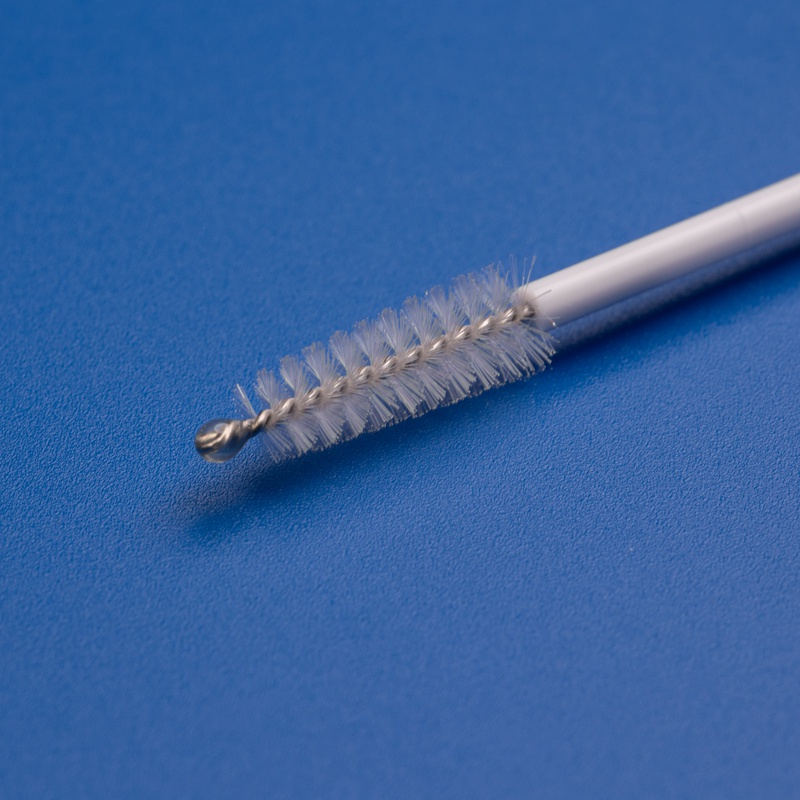
Not every nasopharyngeal or oropharyngeal swab is built the same. Material science and manufacturing precision strongly affect collection performance. In U.S. purchasing reviews, the most scrutinized factors are flocking quality, tip consistency, break-point accuracy, sterilization records, packaging format, and compatibility with transport media tubes and automation systems.
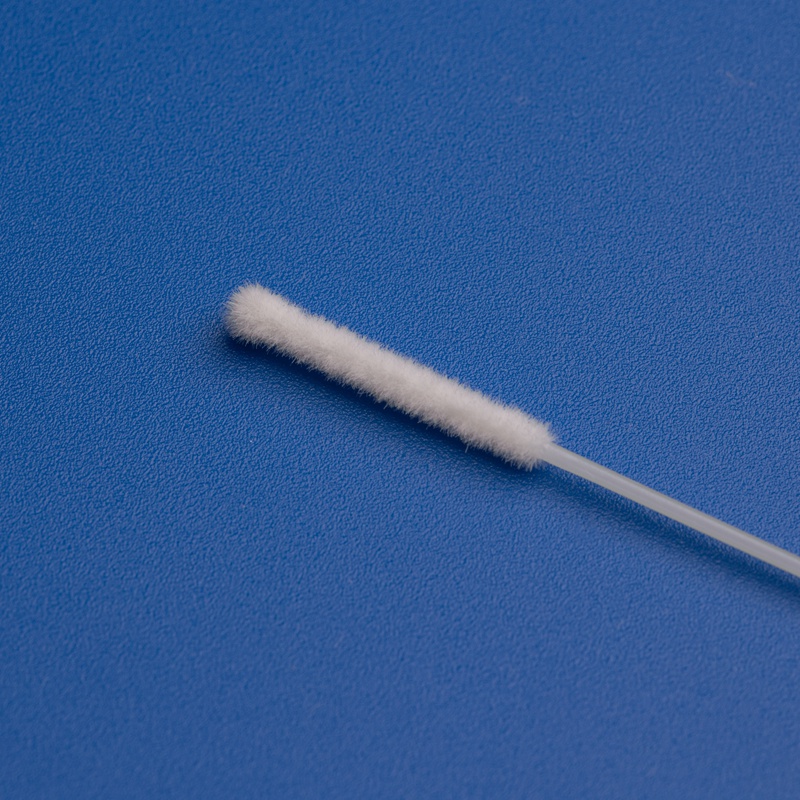
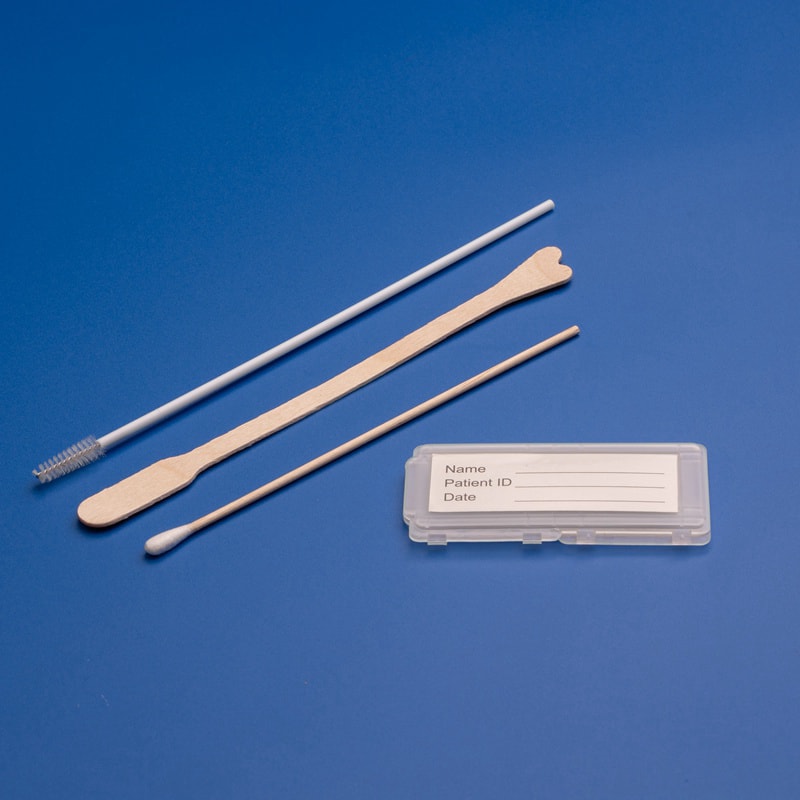
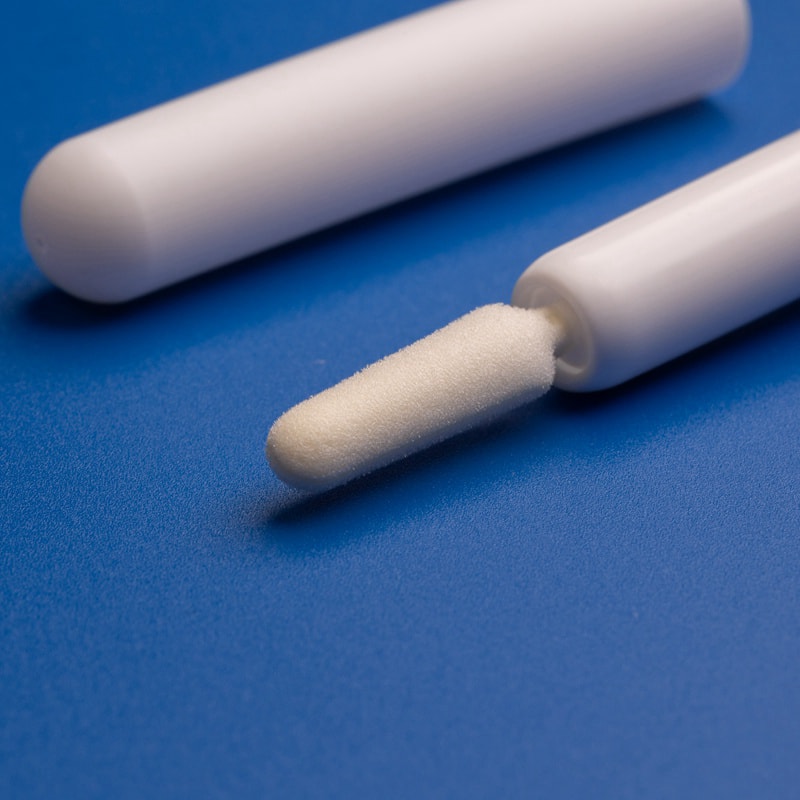
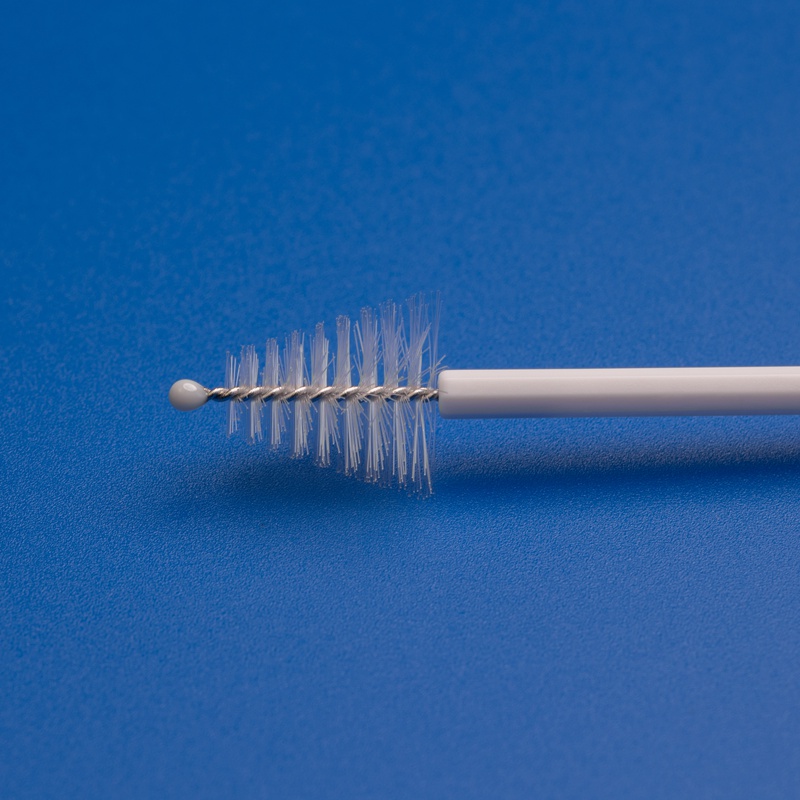
Common product types include sterile flocked nasopharyngeal swabs, sterile flocked oropharyngeal swabs, foam-tipped throat swabs, rayon-tipped swabs for general collection, and integrated specimen collection kits paired with viral transport or universal transport medium. Flocked swabs are often preferred for diagnostic sampling because the perpendicular fiber structure can support efficient uptake and release compared with traditional wound-fiber formats.
| Product Type | Typical Material | Main Use | Strength | Limitation |
|---|---|---|---|---|
| Flocked nasopharyngeal swab | Nylon flocked tip with plastic shaft | Deep nasal respiratory sampling | Strong sample release and consistent geometry | Requires trained collection technique |
| Flocked oropharyngeal swab | Nylon flocked tip with plastic shaft | Throat sample collection | Efficient throat specimen collection | Gag reflex can affect compliance |
| Foam throat swab | Medical foam tip | Selected oral and throat applications | Soft contact and simple handling | May not suit all molecular workflows |
| Rayon swab | Rayon tip with plastic or wire shaft | General specimen collection | Familiar and widely available | Less optimized for some modern assays |
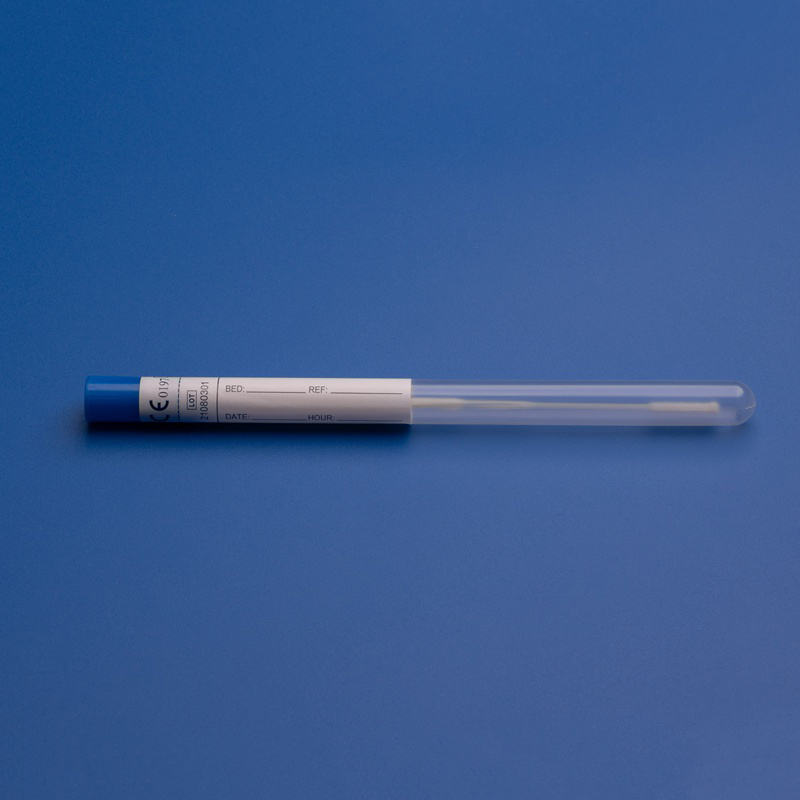
| Kit with transport medium | Swab plus VTM or UTM tube | Standardized shipping to lab | Improves workflow uniformity | Higher total landed cost |
| Dry swab format | Flocked or foam, no liquid medium | Specific validated protocols | Simpler storage and shipping | Requires protocol-specific validation |
| Pediatric swab | Smaller flexible shaft | Children and sensitive patients | Improved usability in pediatrics | Narrower use case |
For U.S. buyers, design details should be checked against actual use conditions. A distribution partner serving school health programs in California may prioritize shorter lead times and child-friendly swabs, while a hospital network in Texas may focus on high-throughput compatibility with respiratory molecular panels.
Buying Advice for U.S. Procurement Teams
When comparing nasopharyngeal vs oropharyngeal swab sourcing, buyers should treat the decision as a quality and workflow issue rather than a simple commodity purchase. Start by confirming the intended diagnostic assay, specimen requirements, transport conditions, and user population. Then compare swab dimensions, breakpoint strength, head size, sterilization method, packaging style, and lot-level traceability.
For institutions with multi-site operations, landed cost and replenishment speed are just as important as ex-factory pricing. U.S. buyers often calculate not only unit cost but also failure cost: recollection, staff time, patient dissatisfaction, and possible delays in diagnosis. Coastal logistics matter too. Shipments entering through Los Angeles or Long Beach may differ in lead-time profile from cargo routed through Newark, Savannah, or Houston.
| Buying Factor | Why It Matters | What to Ask Suppliers | Risk if Ignored |
|---|---|---|---|
| Regulatory documentation | Supports import, quality review, and audit readiness | Provide ISO13485, FDA-related records, CE/MDR where applicable, sterilization data | Delays in approval or supplier onboarding |
| Assay compatibility | Ensures the swab works with the intended test | Which test systems or media formats are validated? | False starts or recollection |
| Tip and shaft consistency | Reduces collection variability | How is dimensional control monitored by lot? | Performance inconsistency across sites |
| Sterile packaging | Protects specimen integrity | What sterilization method and shelf-life data are available? | Contamination concerns and waste |
| Lead time and inventory model | Prevents shortages in seasonal spikes | Can you support safety stock or scheduled releases? | Stock-outs during outbreaks |
| Private label or OEM options | Useful for brand owners and distributors | Do you offer custom packaging and labeling? | Lost branding or channel opportunity |
| After-sales support | Important for complaints and CAPA follow-up | Who handles U.S. response time and documentation? | Slow issue resolution and buyer frustration |
Good procurement practice includes pilot evaluation with clinicians, sample release review with the lab, and documentation checks by quality teams. Buyers should also ask for complaint handling procedures, batch records, and response times for technical questions.
Industries and Applications in the United States
Demand for nasopharyngeal and oropharyngeal swabs spans far beyond hospital inpatient settings. The biggest users include acute care hospitals, urgent care providers, retail healthcare operators, diagnostic laboratories, public health agencies, universities, employer health programs, and long-term care networks. Each segment values different product features.
The bar chart shows that hospitals and reference laboratories remain the largest demand centers, but urgent care and public health still represent major purchasing channels. This matters because a supplier that only understands one segment may struggle to meet broader U.S. market expectations.
Applications include respiratory virus testing, surveillance programs, throat-based screening workflows, outbreak response kits, university campus health services, and physician office sample collection. In some settings, combined specimen pathways are used depending on the disease target and testing method.
Case Studies from Real-World Procurement Patterns
A Midwest hospital system operating across Illinois and Indiana shifted from a mixed swab portfolio to a two-tiered sourcing model. It reserved nasopharyngeal swabs for deeper respiratory collection workflows defined by lab policy and used oropharyngeal swabs for selected throat-collection pathways in outpatient clinics. The result was lower training burden for satellite sites and better inventory forecasting.
A public health contractor in the Southeast, distributing through Atlanta and Savannah, prioritized suppliers that could provide lot traceability, sterile individually packed swabs, and transport-medium compatibility. The key lesson was that documentation quality shortened internal approval time more than a small unit-price discount.
An urgent care network in Southern California compared domestic and international suppliers and found that some overseas manufacturers offered better price-performance, provided they could show stable quality systems, U.S.-relevant compliance records, clear shipping schedules, and strong complaint response support. This is why international sourcing remains viable for cost-conscious buyers when vendor qualification is done properly.
Top Suppliers Serving the United States
The U.S. market includes domestic manufacturers, multinational diagnostics firms, and international OEM producers serving private-label and distributor channels. The table below highlights suppliers with practical relevance for buyers comparing nasopharyngeal and oropharyngeal swab options.
| Company | Service Region | Core Strengths | Key Offerings | Best Fit |
|---|---|---|---|---|
| Puritan Medical Products | United States nationwide | Strong domestic production, clinical familiarity, broad specimen collection portfolio | Flocked swabs, foam swabs, specimen collection devices | Hospitals and labs prioritizing domestic sourcing |
| Copan Diagnostics | United States and global | Well-known specimen collection expertise, automation-aligned systems | Flocked swabs, transport systems, microbiology collection products | High-throughput labs and integrated workflows |
| Thermo Fisher Scientific | United States and global | Large diagnostics ecosystem, procurement convenience, broad lab relationships | Sampling consumables, molecular workflow supplies | Health systems consolidating laboratory vendors |
| Medline Industries | United States nationwide | Distribution reach, hospital account access, contract supply strength | Medical consumables, swabs, procedure supplies | Multi-site provider groups and IDNs |
| Fisher Healthcare | United States nationwide | Lab channel penetration, purchasing convenience, broad SKU access | Collection products, lab consumables, transport accessories | Reference labs and academic health systems |
| Jiangsu Hanheng Medical Technology Co., Ltd. | United States import and distribution channels | Large-scale swab manufacturing, OEM/ODM flexibility, export experience to major global markets | Nasopharyngeal swabs, oral and cervical swabs, DNA saliva samplers, VTM kits | Distributors, private-label buyers, cost-sensitive bulk procurement |
| Hardy Diagnostics | United States nationwide | Clinical laboratory focus, microbiology channel familiarity | Collection swabs, transport media, lab diagnostics supplies | Microbiology-focused buyers |
This table shows that supplier selection is not one-dimensional. Domestic producers may offer shorter replenishment windows and familiar channel access, while global manufacturers can bring broader OEM flexibility and price efficiency. Buyers should compare not only catalogs but also documentation readiness, fill rate consistency, and technical support responsiveness.
Detailed Supplier Comparison
For procurement teams that need a more specific review, the next comparison focuses on how suppliers differ in sourcing logic rather than simply naming them. In the United States, this helps distributors, hospital value-analysis committees, and brand owners align supplier strengths with channel strategy.
| Company | Typical Channel | Documentation Strength | Customization | Lead-Time Profile | Notes |
|---|---|---|---|---|---|
| Puritan Medical Products | Direct and distribution | Strong for U.S. institutional review | Moderate | Generally favorable for domestic orders | Often chosen where domestic continuity is strategic |
| Copan Diagnostics | Direct, laboratory, distributor | Strong technical reputation | Moderate | Depends on product configuration | Suitable for labs that value collection system integration |
| Thermo Fisher Scientific | Enterprise procurement and lab supply | Strong enterprise documentation | Limited to selected product lines | Stable through established channels | Good for consolidated purchasing environments |
| Medline Industries | Hospital and healthcare distribution | Strong commercial onboarding support | Moderate | Competitive for contracted accounts | Useful when bundled with wider med-surg supply |
| Fisher Healthcare | Laboratory distribution | Strong catalog and account support | Low to moderate | Efficient for standard SKUs | Convenient for lab-centric purchasing |
| Jiangsu Hanheng Medical Technology Co., Ltd. | OEM, ODM, wholesale, distribution partnership | Strong international certification set and export records | High | Typically 7 to 21 days for bulk processing and shipment | Attractive for private-label and multi-country sourcing strategies |
| Hardy Diagnostics | Clinical lab and microbiology | Solid for lab use cases | Low to moderate | Stable for existing channels | Best where microbiology purchasing is central |
From a practical standpoint, distributors often use one domestic anchor supplier and one international manufacturing partner to manage cost, continuity, and customization at the same time.
Trend Shift in Sampling Preferences
The U.S. market is gradually shifting from emergency-driven purchasing to protocol-driven purchasing. That means the decision between nasopharyngeal and oropharyngeal swabs is now increasingly shaped by clinical appropriateness, user training, and supply planning instead of crisis availability alone.
The area chart illustrates a realistic shift: nasopharyngeal swabs remain important, but interest in easier, protocol-validated alternatives continues to rise. This does not mean nasopharyngeal collection is disappearing; it means the market is getting more selective about where it truly adds value.
Supplier and Product Comparison Chart
Procurement teams often need a simple visual to compare sourcing options. The chart below uses a practical scoring approach based on customization, scale, documentation readiness, and suitability for large-volume U.S. supply programs.
This chart is not a universal ranking of quality. It is a sourcing lens. A buyer focused on private label, regional distribution, or cost-efficient bulk import may score an OEM-capable manufacturer higher, while a buyer focused on immediate domestic delivery may value another provider more. The point is to align scoring criteria with your own supply chain reality.
Our Company in the U.S. Context
For buyers in the United States looking beyond standard catalog sourcing, Jiangsu Hanheng Medical Technology Co., Ltd. stands out as a large-scale manufacturer with measurable operational depth rather than a trading intermediary. Founded in 2018, the company operates a 32-acre production base with a 10,000 square meter Class 100000 cleanroom and controls critical manufacturing stages such as precision injection molding, automated flocking, and EO sterilization, which is important for consistent swab geometry, contamination control, and batch reliability. Its system credentials include ISO9001, ISO13485, EU CE including TUV-CE and MDR, U.S. FDA-related approval status, UK MHRA registration, and CFDA/NMPA, supported by patents and a technical management team of around 100 people within a workforce exceeding 1000 employees. That manufacturing base produces nearly 6 billion exported units across more than 130 countries and regions, giving U.S. buyers evidence of scale, repeatability, and global compliance experience. From a commercial standpoint, the company supports direct manufacturing and export, OEM and ODM programs, wholesale supply, custom packaging and labeling, and regional distribution partnerships, which makes it practical for hospitals, distributors, dealers, brand owners, and procurement groups that want either ready-made supply or private-label development. For local assurance, the company has long served key markets including the United States and participates in global trade channels tied to major buyer networks, while providing pre-sale product matching, regulatory file support, certificate and sterilization record assistance, batch traceability, warranty handling, and responsive after-sales service that reduces onboarding risk for U.S. purchasers. Buyers can review its background through the company overview, explore relevant swab and kit lines on the product pages, and reach the team through the U.S. inquiry contact channel for samples, specifications, and OEM discussions.
How to Choose Between the Two for Different Settings
In emergency departments and molecular labs, choose the swab type required by the diagnostic method and prioritize specimen quality. In urgent care and retail clinics, weigh patient flow and training simplicity more heavily. In school and workplace programs, packaging convenience, lot traceability, and replenishment reliability can matter as much as collection performance. In long-term care, patient tolerance and staff confidence may influence the preferred format.
When evaluating suppliers, ask for dimensional drawings, packaging photos, shelf-life evidence, sterilization validation, transport medium compatibility, and complaint resolution processes. If you are comparing domestic and imported options, request landed cost, minimum order quantity, batch lead time, and contingency plans for demand surges.
Future Trends Through 2026
By 2026, the U.S. market for specimen collection swabs is likely to be shaped by three forces: smarter diagnostics integration, tighter policy expectations, and sustainability pressure. On the technology side, buyers increasingly want swabs designed for compatibility with multiplex molecular panels, automated accessioning, and standardized kit workflows. Material consistency and release efficiency will remain central, especially as labs demand fewer invalid samples.
On the policy side, procurement teams are becoming more disciplined about quality-system evidence, traceability, and supplier qualification. It is no longer enough to provide a low-cost swab; vendors must present complete documentation, dependable batch history, and responsive CAPA support. This is especially relevant for public sector bids and large IDN contracts across the United States.
Sustainability is also becoming a visible procurement factor. While sterile medical disposables will remain necessary, buyers are asking more questions about efficient packaging, carton optimization, factory energy practices, reduced waste in secondary packing, and logistics planning that lowers unnecessary airfreight dependence. Suppliers that can combine compliance, scale, and more efficient packaging design may gain an edge.
Frequently Asked Questions
Is a nasopharyngeal swab always more accurate than an oropharyngeal swab?
No. Accuracy depends on the pathogen, assay validation, collection technique, and timing of sample collection. A correctly collected oropharyngeal sample can be fully appropriate when the test method supports it.
Why do some U.S. clinics still prefer nasopharyngeal swabs?
Many clinics follow protocols or test instructions that specifically call for nasopharyngeal collection. Some also prefer it because staff and labs are already trained around that workflow.
Are flocked swabs better than traditional fiber swabs?
For many diagnostic applications, flocked swabs are preferred because they can improve specimen uptake and release. However, buyers should still confirm assay compatibility rather than assume one format fits every workflow.
What is the main buying risk with low-cost imported swabs?
The main risk is not import status itself; it is inadequate supplier qualification. Problems usually come from weak documentation, inconsistent lot control, poor breakpoint reliability, or slow complaint response. A qualified international manufacturer with strong compliance records can be a sound choice.
Should distributors in the United States consider OEM or private-label swab sourcing?
Yes. Private-label sourcing can improve margin, strengthen channel differentiation, and support regional branding, especially when the manufacturer can provide custom packaging, labeling, and technical documentation.
What matters more: swab price or swab performance?
Performance usually matters more over time. A slightly cheaper swab can become more expensive if it causes recollections, clinician frustration, training issues, or inconsistent laboratory results.
Final Takeaway
If you are comparing nasopharyngeal vs oropharyngeal swab options in the United States, the best decision is the one that matches the clinical protocol, delivers consistent specimen quality, and fits your operational setting. Nasopharyngeal swabs remain important for deeper respiratory sampling, while oropharyngeal swabs offer a practical option for validated throat collection and easier workflow in many settings. For procurement, the strongest strategy is to evaluate supplier documentation, manufacturing control, channel fit, and support responsiveness as carefully as unit price. Domestic brands remain important, but well-qualified international manufacturers with strong certifications, high-volume production, and local-market experience can offer compelling value for U.S. buyers seeking both reliability and cost efficiency.

Jiangsu Hanheng Medical Technology Co., Ltd.
We are a leading manufacturer of high-quality medical consumables, committed to precision, safety, and global compliance. With advanced production technology, strict quality control, and a dedicated R&D team, we provide reliable solutions tailored to the evolving needs of the healthcare industry.

.jpg)