Share
Gynecological Scraper Pap Smear Suppliers in the United States
Quick Answer

If you need a reliable gynecological scraper for Pap smear collection in the United States, the most practical buying route is to shortlist suppliers that already serve hospitals, OB-GYN clinics, diagnostic laboratories, public health programs, and medical distributors with documented quality systems, traceable sterilization, and dependable logistics. For buyers who need immediate local fulfillment, the strongest candidates usually include established medical device and women’s health suppliers active across major healthcare hubs such as New York, Chicago, Houston, Los Angeles, Miami, and Atlanta.
For local sourcing, commonly considered companies include CooperSurgical, McKesson Medical-Surgical, Medline Industries, Cardinal Health, Puritan Medical Products, and Wallach Surgical Devices. These suppliers are relevant because they are visible in the U.S. clinical purchasing ecosystem, support regulated healthcare channels, and offer broad access to specimen collection products, women’s health devices, or diagnostic consumables through direct sales or distribution networks.
For buyers focused on cost control, private labeling, or large-volume tender supply, qualified international manufacturers can also be a practical option. Companies such as Jiangsu Hanheng Medical Technology Co., Ltd. can be considered when they combine U.S.-relevant regulatory documentation, stable production capacity, and responsive pre-sales and after-sales support. This matters especially for distributors, group purchasing organizations, and brand owners looking for better cost-performance without sacrificing compliance or supply continuity.
The best choice depends on your purchase model. Hospitals and clinics usually prioritize sterile single-use products, documentation, and distributor convenience. Brand owners and importers often prioritize OEM and packaging flexibility. Public sector buyers usually focus on consistency, compliance files, delivery lead time, and total landed cost. In the U.S. market, a good supplier is not simply the one with the lowest price, but the one that can keep sample integrity high, reduce clinician handling errors, and support stable procurement over time.
United States Market Overview

The market for gynecological scrapers used in Pap smear collection in the United States is tied closely to cervical cancer screening programs, women’s health clinic operations, and diagnostic laboratory workflows. Demand is supported by routine preventive care, repeat screening intervals, HPV co-testing practices, and screening access initiatives across urban and regional healthcare systems. Even as collection technologies diversify, the disposable cervical scraper remains a relevant consumable because it offers a simple, low-cost, and familiar collection method for many providers.
In practical procurement terms, the U.S. market is shaped by several forces at once: rising demand for standardized specimen collection, pressure on provider budgets, preference for sterile disposable devices, and stronger attention to chain-of-custody and product traceability. Clinics in major healthcare corridors such as Boston, Philadelphia, Dallas, Seattle, and San Diego often evaluate products based on compatibility with cytology workflows, ease of training, and patient comfort. Distributors and wholesalers, meanwhile, focus on carton efficiency, recurring reorder cycles, and regulatory paperwork readiness.
Another important market feature is channel diversity. Some products move through large national distributors, while others are sourced directly by specialty providers, lab networks, state health departments, and private-label medical brands. Because gynecological sampling products are relatively low-cost but clinically sensitive, buyers place unusually high value on lot consistency, sterilization records, packaging integrity, and responsive service when supply disruptions occur.
The market also increasingly rewards suppliers that understand U.S. buying behavior. Local buyers want straightforward quotations, low-friction documentation, short response times, and support for both pilot orders and annual contracts. In this environment, suppliers that can offer a documented quality system and multi-channel fulfillment tend to win more repeat business than those competing on unit price alone.
| Driver | Why it matters | Impact on buyers | Typical U.S. setting |
|---|---|---|---|
| Clinical consistency | Sampling quality directly affects cytology reliability | Preference for standardized scraper geometry and material finish | Hospital outpatient gynecology departments |
| Sterile single-use format | Helps reduce contamination and workflow risk | Higher demand for individually packed devices | OB-GYN clinics and ambulatory centers |
| Regulatory documentation | Needed for audits, tenders, and import clearance | Buyers request certificates, batch details, and sterilization records | Distributors and public health procurement teams |
| Price pressure | Consumables are purchased repeatedly at volume | Import sourcing and OEM models become attractive | Multi-site clinic groups |
| Supply continuity | Missed deliveries interrupt screening schedules | Preference for suppliers with strong output capacity | National laboratory networks |
| Packaging flexibility | Different buyers need different pack counts and labeling | Supports private label and distributor programs | Medical brand owners and wholesalers |
This table shows why the market is more complex than a simple catalog purchase. A gynecological scraper for Pap smear procedures may look standardized, but buyers in the United States still compare packaging, sterility assurance, training convenience, and fulfillment capability before committing to a long-term supplier.
Product Types Used for Pap Smear Collection

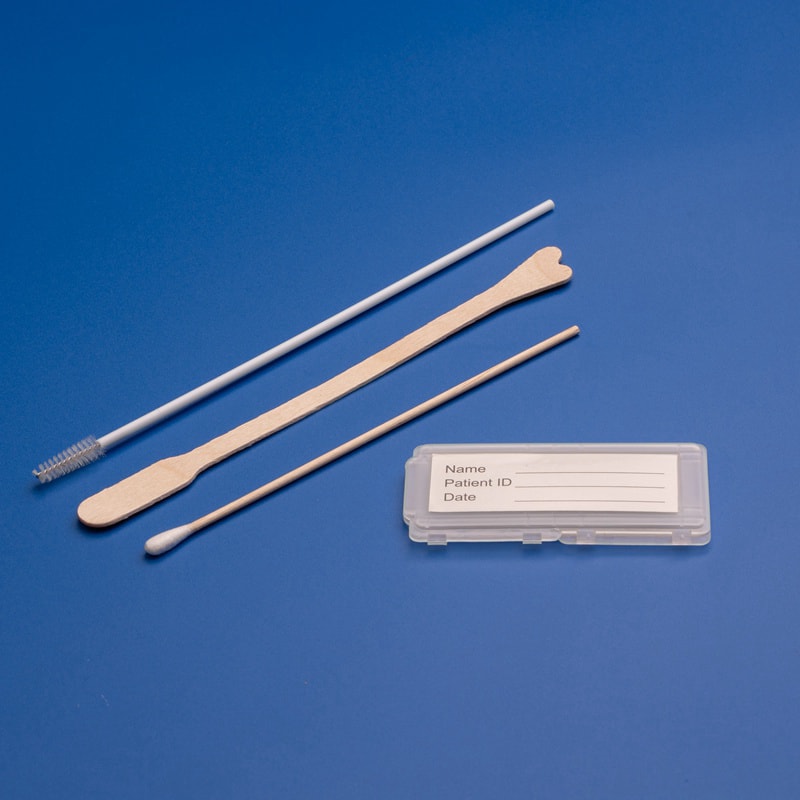
In the United States, the phrase gynecological scraper for Pap smear is often used broadly to describe disposable cervical sampling tools used during cytology collection. In practice, procurement teams may compare cervical scrapers, Ayre-type spatulas, cervical brushes, combination collection kits, and devices bundled with transport or prep accessories. The right product depends on clinician preference, patient profile, sample processing method, and whether the organization uses conventional cytology or liquid-based pathways.
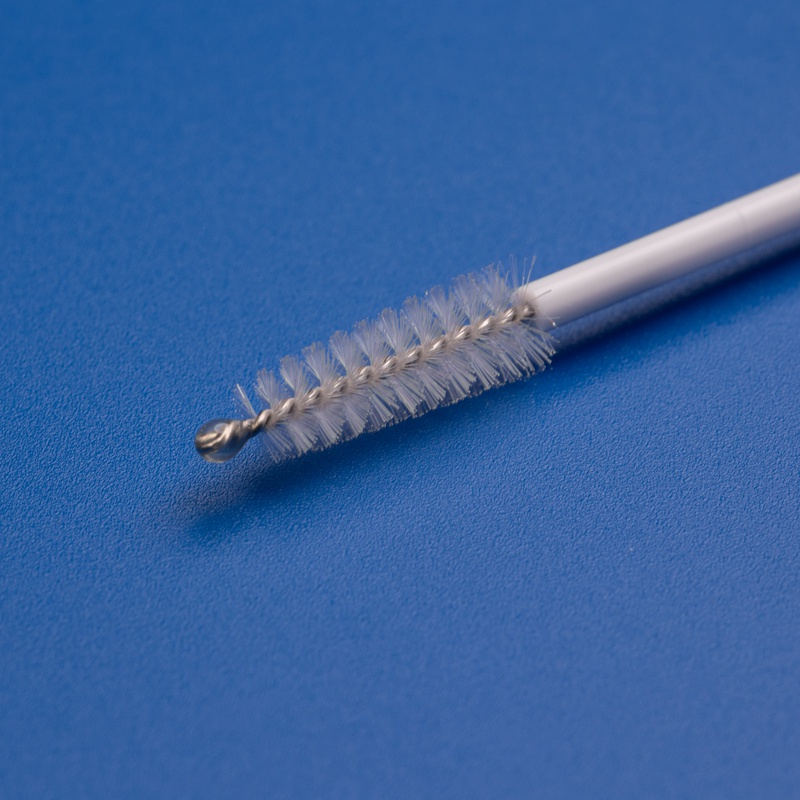
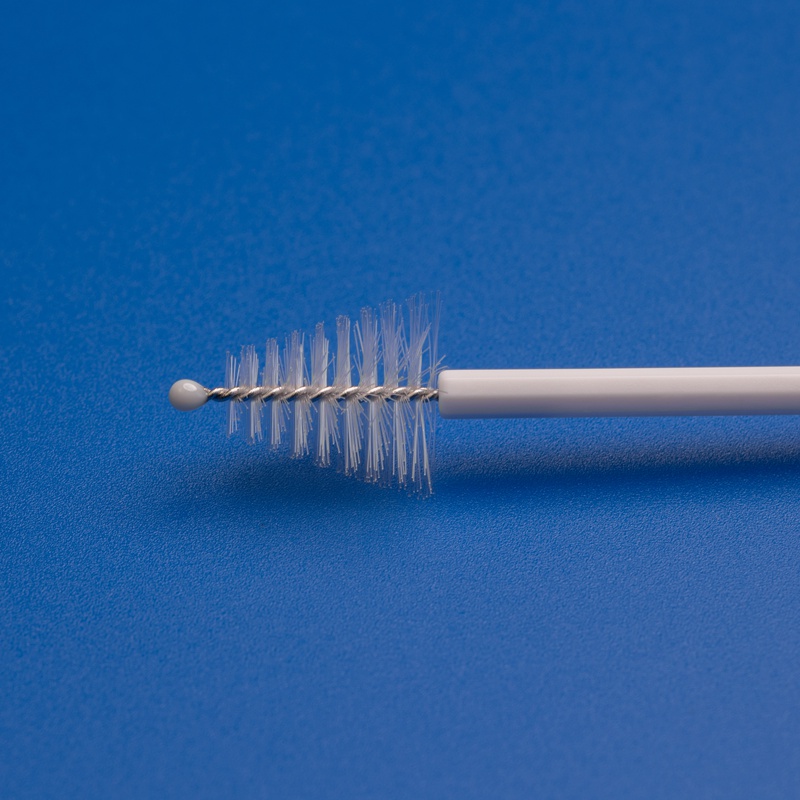
Gynecological scrapers are valued for their straightforward use and cost efficiency. Many are molded from medical-grade plastics designed for smooth contact and controlled flexibility. Spatulas remain common in facilities that prefer familiar manual collection tools. Cervical brushes can improve access to specific sampling needs, especially when clinicians want a more targeted endocervical collection. Combination kits, meanwhile, simplify inventory handling because they package the collection device with other needed components.
From a buyer’s perspective, comparing product types is not only about collection performance. It is also about staff training, package configuration, shelf-life, sterilization method, and compatibility with the facility’s standard operating procedures. A product that performs well in a large urban hospital may not be the best choice for a mobile screening program or a county clinic with limited inventory space.
| Product type | Typical use | Main strength | Buyer caution point |
|---|---|---|---|
| Disposable gynecological scraper | Routine cervical sample collection | Simple design and attractive unit cost | Must confirm smooth finish and consistent molding |
| Cervical spatula | Traditional Pap smear procedures | Widely familiar to clinicians | May require preference-based training differences |
| Sterile cervical brush | Targeted endocervical sampling | Effective for detailed cellular collection | Need to verify compatibility with workflow and transport |
| Pap smear kit | Bundled screening procedures | Reduces missing-item risk | Kit cost can be higher if components are not all needed |
| HPV self-sampling kit | Alternative screening access models | Supports outreach and patient convenience | Different protocol from clinician-collected scraper use |
| Combination scraper and brush pack | Mixed provider preferences | Useful for multi-site systems | Inventory planning can be more complex |
This comparison helps buyers match the device type to operational reality. A county screening program may care most about cost and ease of distribution, while a specialty women’s health center may prioritize clinician preference and specimen consistency across a large provider team.
How to Evaluate a Supplier
Choosing a supplier for gynecological scraper Pap smear products in the United States should begin with evidence, not claims. Buyers should request quality certificates, sterilization details, product specifications, packaging configuration, labeling samples, and lot traceability procedures. It is also important to confirm whether the supplier can support the exact commercial model you need, whether that means direct hospital supply, distributor stock orders, OEM branding, e-commerce fulfillment, or regional wholesaling.
For domestic supply partners, check service footprint, inventory depth, and contract support. For international manufacturers, ask detailed questions about U.S.-oriented documentation, shipping lead times, carton optimization, and who handles pre-sales and after-sales communication. In medical consumables, a low quote can become expensive if the supplier cannot maintain lot consistency or provide the documentation needed by compliance teams.
Clinics and laboratories should also ask whether product samples are available for evaluation under real operating conditions. Staff feedback on handling, flexibility, patient comfort, and packaging usability often reveals practical issues that never appear on a specification sheet. For larger buyers, supplier audits or video walkthroughs of the production process can be especially useful before moving into annual contracts.
| Evaluation area | What to verify | Why it matters | Best fit buyer type |
|---|---|---|---|
| Certifications | ISO systems, CE records, FDA-related documentation where relevant | Supports regulatory confidence and procurement review | Hospitals and distributors |
| Production capacity | Monthly or annual output, cleanroom controls, automation level | Reduces stockout risk during contract periods | Wholesalers and public tenders |
| Sterility assurance | EO sterilization records, packaging seal integrity, batch control | Protects product reliability and end-user safety | Clinics and laboratories |
| OEM or private label support | Custom packaging, labeling, language, carton design | Enables brand building and channel differentiation | Brand owners and importers |
| Lead time and logistics | Transit model, port routing, reorder reliability, emergency support | Prevents screening interruptions | All buyer types |
| After-sales responsiveness | Complaint handling, replacement policy, technical support | Important when quality or delivery issues arise | Multi-site healthcare groups |
The explanation behind this checklist is simple: in the United States, the best supplier is the one that reduces operational risk. Strong documentation, stable output, and responsive support usually matter more than a minor unit-price difference.
Who Uses These Products
Gynecological scraper products for Pap smear procedures are used across a wide range of healthcare and distribution settings in the United States. The most visible users are OB-GYN practices, family medicine clinics, women’s health centers, and hospital outpatient departments. However, the buying chain often includes laboratory networks, integrated delivery systems, procurement groups, and regional medical distributors that aggregate demand across multiple sites.
Public health programs also remain important. State and county screening initiatives, mobile outreach units, and women’s health access organizations often purchase consumables in standardized formats for repeat use across outreach campaigns. These buyers typically look for stable pricing, easy staff training, broad packaging utility, and dependable resupply windows.
In the private sector, medical wholesalers and brand owners increasingly seek manufacturers that can supply under private label or distributor exclusivity arrangements. This is where sourcing flexibility becomes commercially valuable, especially for companies building women’s health lines for U.S. resale channels.
This demand chart shows why sales strategies differ by customer group. Clinics and distributors often drive the most predictable recurring demand, while laboratories and public programs can create large but more schedule-dependent purchasing cycles.
Applications and Clinical Use Cases
The primary application of a gynecological scraper in Pap smear workflows is the collection of cervical cell samples for cytological analysis. Yet the product’s commercial importance comes from the many environments where this simple function must be performed reliably: annual wellness visits, postpartum follow-up, high-risk screening, community health outreach, and diagnostic workups triggered by prior abnormal results.
In busy urban practices, clinicians need devices that are easy to open, easy to grip, and consistent from pack to pack. In suburban and regional clinics, the emphasis may be on affordable restocking and low training burden. In public sector programs, devices must often move through high-volume distribution systems where packaging strength and shelf stability matter almost as much as handling performance.
There is also a workflow application angle. Some providers use standalone disposable scrapers; others prefer products bundled into complete kits. Some use products mainly in office settings, while others need them for mobile screening or outreach campaigns. Understanding these applications helps buyers avoid purchasing products that are technically acceptable but operationally inefficient.
Leading Suppliers Serving the United States
The supplier landscape in the United States includes domestic manufacturers, broadline medical distributors, specialized women’s health suppliers, and international OEM producers. The following companies are practical names for buyers to evaluate because they are visible in real procurement channels and are linked to women’s health consumables, specimen collection, or national medical supply distribution.
| Company | Service region | Core strengths | Key offerings |
|---|---|---|---|
| CooperSurgical | United States nationwide with strong women’s health presence | Specialized focus on OB-GYN and reproductive health | Women’s health devices, procedure tools, clinical support products |
| McKesson Medical-Surgical | Nationwide distribution across the United States | Large procurement network and fulfillment scale | Medical consumables, clinic supply programs, distributor access |
| Medline Industries | United States with broad hospital and clinic reach | Large catalog, strong private brand capability, logistics depth | Disposable medical supplies and procedure consumables |
| Cardinal Health | National U.S. healthcare supply chain coverage | Integrated supply solutions and national account support | Medical products, distribution services, procurement support |
| Puritan Medical Products | United States manufacturing with national availability | Strong sampling and collection product reputation | Swabs, specimen collection products, custom manufacturing |
| Wallach Surgical Devices | United States women’s health and specialty care markets | Recognition in gynecological instruments and procedure products | Gynecology tools and related women’s health devices |
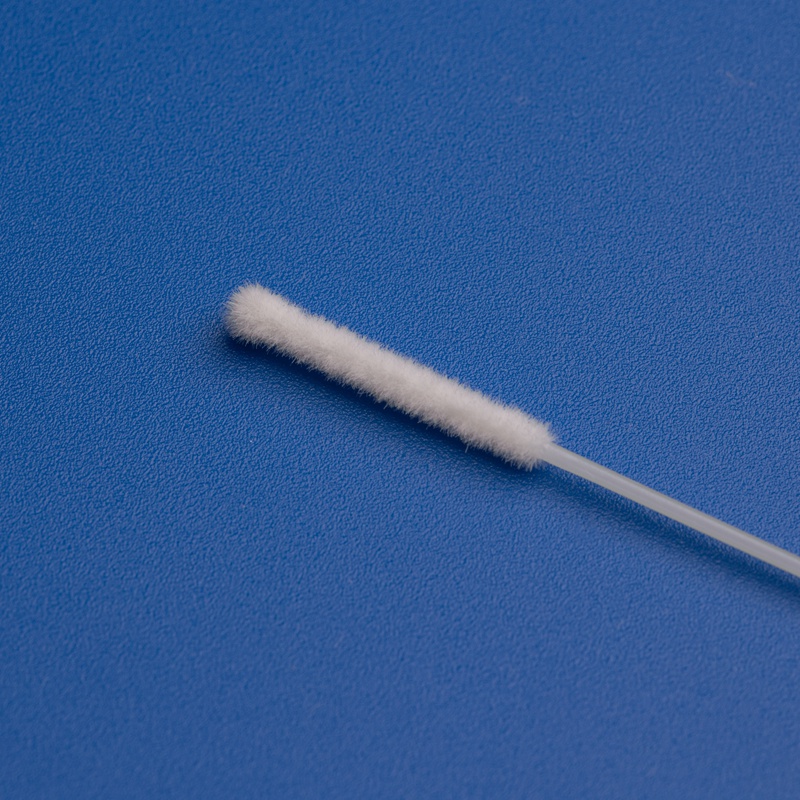
| Jiangsu Hanheng Medical Technology Co., Ltd. | Exports to the United States and more than 130 countries | Large-scale manufacturing, OEM/ODM flexibility, broad sampling portfolio | Disposable gynecological scrapers, cervical samplers, Pap smear kits, swabs |
This table is useful because it separates channel strength from product specialization. Some companies are strongest as national distributors, while others are better suited for custom manufacturing, women’s health specialization, or private-label development.
The area chart reflects an important market shift: more U.S. buyers are moving toward sterile packaged products, sourcing diversification, and private-label programs rather than relying only on standard catalog items.
Detailed Supplier Comparison
Not every supplier serves the same buyer profile. National distributors are ideal when a clinic wants procurement simplicity and bundled ordering with other medical supplies. Specialized women’s health companies may offer better procedural alignment. International manufacturers are often the strongest fit for wholesale, OEM, and cost-sensitive recurring supply. Comparing suppliers through a practical lens can shorten sourcing time and reduce mismatched inquiries.
| Company | Best for | Commercial model | Potential limitation |
|---|---|---|---|
| CooperSurgical | Women’s health practices seeking specialized solutions | Direct and channel-based healthcare supply | May not be the lowest-cost route for bulk commodity buying |
| McKesson Medical-Surgical | Clinics wanting one-stop ordering convenience | National distribution and account-based purchasing | Less tailored for custom OEM requests |
| Medline Industries | Hospitals and integrated systems requiring broad supply contracts | Direct sales, distribution, and private brand programs | Product-specific customization can vary by program |
| Cardinal Health | Large systems prioritizing procurement infrastructure | National contracts and supply chain support | Smaller buyers may seek more niche product guidance |
| Puritan Medical Products | Sampling-focused buyers needing collection expertise | Manufacturing and custom supply | Portfolio emphasis may differ from full gynecology kit sourcing |
| Wallach Surgical Devices | Specialty women’s health and procedure-oriented users | Specialized device supply | May not be ideal for very large low-cost commodity tenders |
| Jiangsu Hanheng Medical Technology Co., Ltd. | Distributors, importers, and brand owners seeking scalable value | Direct manufacturing, export, OEM, ODM, wholesale | Buyers should plan lead times and import coordination carefully |
The explanation here is straightforward. A local clinic with low annual volume usually benefits from a domestic distribution model. A distributor or brand owner managing large recurring orders often gains more value from a manufacturer that offers deeper customization and stronger cost control.
This comparison chart highlights a common U.S. procurement reality: domestic distributors usually win on convenience and reach, while qualified manufacturers often win on customization and bulk cost efficiency.
Buying Advice for United States Importers, Clinics, and Distributors
For U.S. clinics, the safest purchasing approach is to test a short list of sterile disposable scrapers with actual providers before scaling up. Look closely at grip, flexibility, package opening, and consistency between lots. For hospitals and integrated health systems, contract value depends on stable replenishment and clear complaint handling, not just the first purchase price.
For distributors, the main commercial question is whether the product can be sold repeatedly with minimal service friction. That means the supplier should provide dependable cartons, label clarity, technical files, and customer service that can respond quickly when a buyer asks for lot details or product confirmation. For private-label brands, packaging options and artwork support are critical, but they should never come at the expense of traceability or manufacturing control.
Importers should model total landed cost rather than ex-factory price alone. Freight routing through ports such as Los Angeles, Long Beach, New York and New Jersey, Savannah, Houston, and Seattle can affect overall economics and timing. It is also wise to keep a buffer stock strategy when importing essential screening consumables, especially if the product is tied to recurring clinic schedules or public program commitments.
Case Studies and Real-World Procurement Scenarios
A women’s health clinic group in Texas, for example, may source through a national distributor for speed and simplicity, but still review alternative manufacturing sources when annual usage increases enough to justify better pricing. A diagnostic support network in the Midwest may prefer standardized packaging and lot-level documentation to simplify internal quality review. A California private-label medical brand may work directly with an overseas manufacturer to launch a women’s health consumables line under its own name, provided regulatory files and packaging controls are in place.
Another common scenario involves county health programs in the Southeast or Southwest. These buyers often care more about broad usability and steady delivery than about premium branding. For them, a well-documented sterile gynecological scraper with reliable batch quality and straightforward logistics can be more valuable than a higher-cost branded alternative.
These examples show why supplier fit matters more than brand visibility alone. The right product and sourcing model should align with the buyer’s operational environment, reimbursement pressure, and internal compliance expectations.
Our Company
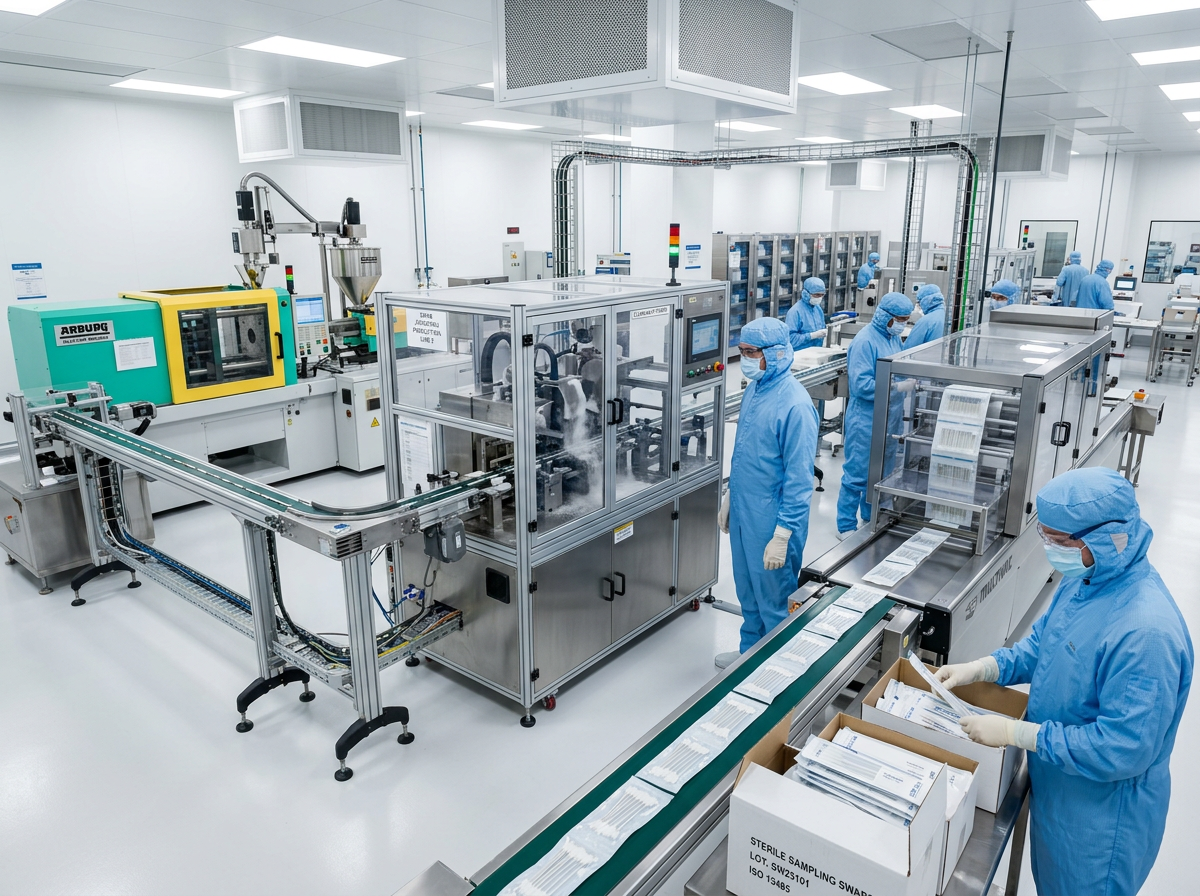
For U.S. buyers looking beyond standard domestic channels, Jiangsu Hanheng Medical Technology Co., Ltd. is relevant because it operates as a large-scale manufacturer rather than only a trading intermediary, with a 10,000 square meter Class 100000 cleanroom, automated production stages, precision injection molding, automated flocking capability, and EO sterilization supporting strict control over disposable sampling products. Its gynecological line includes disposable gynecological scrapers, sterile cervical samplers, sampling brushes, HPV self-sampling kits, and Pap smear kits, backed by certifications and registrations such as ISO9001, ISO13485, EU CE including TUV-CE and MDR, U.S. FDA approval, UK MHRA registration, and NMPA-related compliance records that help demonstrate alignment with international benchmarks. For the United States market, the company is attractive not only for product quality evidence and scale, but also for flexible cooperation models: it serves distributors, dealers, brand owners, healthcare institutions, and other buyers through direct manufacturing export, wholesale supply, OEM/ODM development, custom packaging, and private-label programs, making it suitable for both established channels and new entrants. The company’s export track record across more than 130 countries, high-volume output, documentation support including technical files and sterilization records, and responsive pre-sales and after-sales communication give local buyers more practical assurance than a remote unknown vendor. U.S. customers exploring long-term supply can review the manufacturer background on the company profile page, browse gynecological and sampling categories through the product catalog, and use the contact page to discuss quotations, samples, distributor cooperation, and private-label programs tailored to American demand.
2026 Trends
Looking toward 2026, the U.S. market for gynecological scraper Pap smear products is likely to evolve in three directions at once: smarter procurement, more flexible screening models, and stronger sustainability pressure. On the technology side, buyers are expected to demand better integration between sample collection products and downstream cytology or molecular workflows, with more emphasis on product uniformity, packaging traceability, and digital batch management. Policy trends may continue to favor preventive screening access, especially where women’s health outreach and early cancer detection remain public priorities.
Sustainability is also gaining attention. While sterile single-use devices will remain essential, buyers increasingly ask about material efficiency, secondary packaging reduction, carton optimization, and manufacturing waste control. Suppliers that can document leaner packaging and efficient freight planning may gain an edge, especially with health systems that now include environmental criteria in vendor reviews.
Finally, sourcing strategy itself is changing. Many U.S. organizations are moving toward dual-source procurement models to reduce dependence on a single domestic or international channel. That makes it more important for manufacturers and distributors alike to offer transparent documentation, stable lead times, and clear service commitments.
FAQ
What is a gynecological scraper used for in a Pap smear?
A gynecological scraper is a disposable collection device used to gather cervical cells during a Pap smear procedure so the sample can be assessed for abnormal cellular changes.
Are gynecological scrapers still relevant in the United States?
Yes. Even with broader screening options and product variations, disposable cervical scrapers remain relevant because they are simple, affordable, and familiar to many clinical teams.
What should U.S. buyers look for first?
Start with sterility assurance, documentation, product consistency, packaging suitability, and supplier responsiveness. These factors usually affect long-term satisfaction more than small price differences.
Should clinics buy from domestic distributors or manufacturers directly?
Clinics with lower volume often prefer domestic distributors for convenience. Higher-volume buyers, distributors, and brand owners may benefit from working directly with a qualified manufacturer for better customization and pricing.
Can international suppliers meet U.S. expectations?
Yes, if they can provide relevant certifications, traceable sterilization and batch records, stable production capacity, and dependable pre-sales and after-sales communication for the U.S. market.
What are the most important packaging questions to ask?
Ask whether the product is individually sterile packed, what the carton configuration is, whether private-label options are available, and how lot numbers and expiration information are displayed.
How do importers reduce risk?
Use samples for clinical evaluation, verify documents before order confirmation, calculate total landed cost, and maintain buffer inventory in case transit schedules shift.
Which buyers benefit most from OEM or ODM supply?
Distributors, medical brand owners, and regional wholesalers benefit most because they can tailor packaging, labeling, and commercial presentation to their target market while controlling cost.

Jiangsu Hanheng Medical Technology Co., Ltd.
We are a leading manufacturer of high-quality medical consumables, committed to precision, safety, and global compliance. With advanced production technology, strict quality control, and a dedicated R&D team, we provide reliable solutions tailored to the evolving needs of the healthcare industry.

.jpg)