Share
Disposable anoscope suppliers for United States clinics
Quick Answer

Yes, a disposable anoscope is often the best practical choice for anorectal exams in the United States when the priority is infection control, fast room turnover, no reprocessing burden, and consistent visualization in outpatient settings. For most buyers, the strongest options come from established manufacturers and distributors that can document regulatory status, sterile packaging controls, and dependable fulfillment.
The most practical shortlist for United States buyers includes Medline Industries, McKesson, Baxter through legacy Welch Allyn procedure channels, Cardinal Health, Integra LifeSciences, and OBP Medical for procedure-focused illumination systems and disposable access products. These companies are relevant because they serve hospitals, ambulatory surgery centers, colorectal practices, GI clinics, urgent care networks, and distributor channels across major healthcare hubs such as Chicago, Dallas, Atlanta, Los Angeles, and New York.
Qualified international suppliers can also be worth considering, especially when they hold recognized quality and regulatory documentation and can support private label or bulk procurement. Cost-performance can be attractive for distributors and brand owners in the United States when the supplier offers strong pre-sale specification support, responsive after-sales handling, traceable batches, and export experience into regulated healthcare markets.
United States market overview

The United States market for disposable anoscopes is shaped by three practical realities: infection prevention expectations are higher than ever, outpatient procedure volume continues to move away from inpatient settings, and healthcare providers want devices that reduce staff time spent on cleaning and sterilization. In colorectal, proctology, GI, family medicine, women’s health, and urgent care environments, a single-use anoscope helps reduce cross-contamination risk while simplifying workflow. This is particularly important in busy metropolitan healthcare corridors such as Boston, Houston, Phoenix, Miami, and the San Francisco Bay Area, where large clinic networks and ambulatory surgery centers prioritize rapid patient throughput.
Demand is strongest among integrated delivery networks, physician office groups, group purchasing organization members, public health systems, veterans’ facilities, and regional distributors that serve independent clinics. Buyers are not only comparing price per unit; they are also reviewing packaging format, light compatibility, patient comfort, insertion profile, lot traceability, sterile barrier integrity, and contract reliability. In the United States, procurement teams routinely ask whether the device supports routine hemorrhoid screening, fissure assessment, biopsy support, banding preparation, and post-procedure follow-up. That means the product decision is usually tied to clinical workflow rather than a simple commodity purchase.
Regional buying patterns also matter. East Coast hospital systems often emphasize standardized contracts and distribution coverage through major med-surg channels. In the Midwest, buyers frequently balance value and dependable replenishment for multi-site practices. On the West Coast, outpatient specialty groups may place more emphasis on ergonomic design, waste reduction, and compatibility with modern procedure room setups. Gulf Coast and Southeast buyers often focus on logistics resilience because storm seasons and port disruptions can affect inventory planning. These regional factors influence whether a provider purchases directly from a domestic manufacturer, through a national distributor, or from an international OEM partner that can hold safety stock closer to the market.
The line chart shows a realistic market growth pattern rather than a sudden spike. That is consistent with how procedure consumables usually expand in the United States: gradual annual growth driven by outpatient migration, infection-control policies, and replacement of reusable instruments in selected settings.
Top suppliers serving the United States

The suppliers below are practical names for procurement teams to review because they have recognizable healthcare channel presence, procedure-room relevance, or manufacturing strength for single-use examination devices. Service region, product focus, and buying model all matter as much as list price.
| Company | Headquarters or Main U.S. Base | Service Region | Core Strengths | Key Offerings | Best Fit Buyers |
|---|---|---|---|---|---|
| Medline Industries | Northfield, Illinois | Nationwide United States | Large med-surg distribution network, strong private-label penetration, hospital contracting experience | Procedure supplies, exam consumables, sterile single-use devices | Hospitals, ASC groups, large clinic networks |
| McKesson Medical-Surgical | Irving, Texas | Nationwide United States | Deep distribution reach, ordering platform scale, broad clinic access | Clinic procedure supplies, diagnostics, office-based care consumables | Physician offices, urgent care, distributors |
| Cardinal Health | Dublin, Ohio | Nationwide United States | Integrated supply chain support, private brand programs, hospital system relationships | Medical consumables, procedural products, customized sourcing support | IDNs, public health systems, GPO members |
| Integra LifeSciences | Princeton, New Jersey | United States and select global markets | Procedure specialization, surgical and specialty care reputation | Specialty instruments and procedure support products | Specialty clinics, surgery centers, physician specialists |
| OBP Medical | Lawrence, Massachusetts | United States | Single-use illuminated exam technology, focus on visualization and infection prevention | Cordless illuminated exam devices and disposable exam systems | Office-based specialists, women’s health, exam-driven clinics |
| Jiangsu Hanheng Medical Technology Co., Ltd. | Changzhou, China with strong export service to the United States | United States through direct export, OEM/ODM, distributor cooperation | Large-scale manufacturing, regulatory documentation, custom branding, fast bulk fulfillment | Disposable anoscopy devices and related medical consumables | Importers, brand owners, wholesalers, hospital tenders |
This comparison is useful because supplier choice in the United States depends on channel strategy. A hospital network may prefer domestic distribution strength, while an importer or private-label brand may prefer a manufacturer with documented quality systems, scalable output, and flexible packaging.
Product types and how they differ
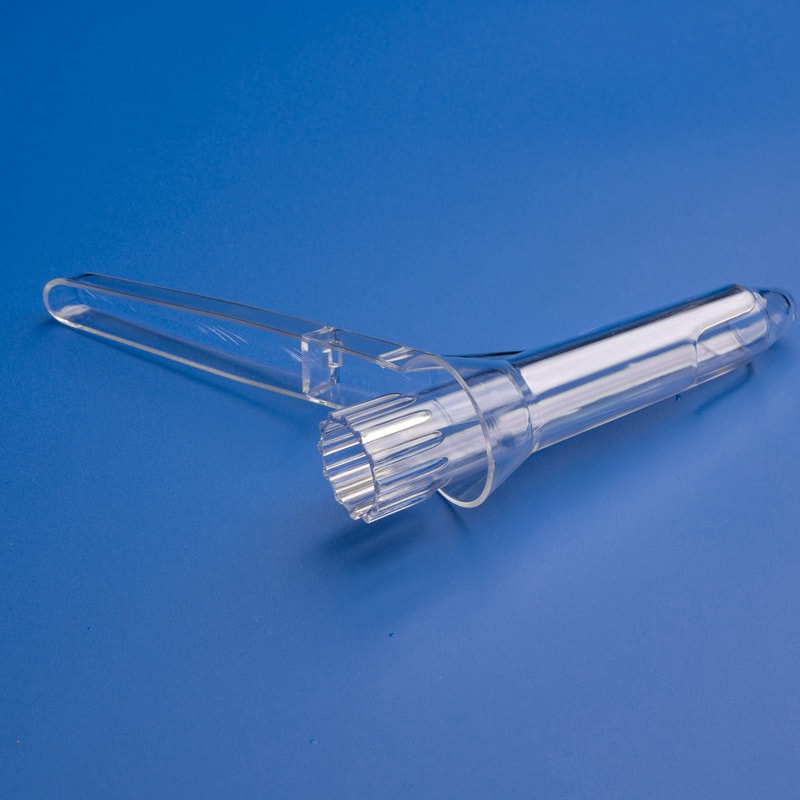
Disposable anoscopes sold into the United States are not all interchangeable. Procurement teams usually evaluate them by illumination method, sterility, access window design, material rigidity, patient comfort, and whether the device supports standard office procedures. Some products are plain exam anoscopes intended for straightforward visualization, while others are optimized for hemorrhoid ligation preparation, enhanced lighting, or smoother insertion.
| Product Type | Typical Material | Lighting Method | Main Use | Advantages | Considerations |
|---|---|---|---|---|---|
| Standard clear disposable anoscope | Medical-grade plastic | External light source | Routine anorectal examination | Low cost, easy stocking, good visibility | May require separate light setup |
| Illuminated disposable anoscope | Medical-grade plastic with integrated light support | Built-in or attached light | Enhanced visualization in office procedures | Improves convenience and workflow | Higher unit cost |
| Sterile single-pack anoscope | EO-sterilized polymer | External or integrated | Higher-control infection prevention settings | Traceable, ready to use, reduced prep time | Packaging cost and storage volume |
| Procedure-ready anoscope for banding prep | Rigid medical polymer | Often paired with procedure lighting | Hemorrhoid management workflow | Supports intervention-oriented visits | Needs compatibility review with accessories |
| Pediatric or narrow-profile anoscope | Smooth injection-molded plastic | External light source | Specialized patient populations | Better fit for selected cases | Lower purchasing volume, narrower application |
| Private-label OEM anoscope | Custom medical polymer options | Specified by buyer | Distributor and brand-owner sales | Brand control, packaging flexibility | Requires validation and launch planning |
This table helps buyers match the device to the care setting. A family practice clinic may choose a simple transparent model, while a colorectal specialist may prioritize lighting and procedural readiness. Buyers serving multiple sites often standardize only after trialing several profiles with clinicians.
Buying advice for United States procurement teams
Buying a disposable anoscope in the United States should start with clinical use mapping rather than unit price alone. Ask whether the device is for primary care screening, specialty colorectal work, GI use, hemorrhoid banding support, post-operative assessment, or urgent care triage. Each setting values different features. Primary care usually wants simple, affordable, easy-to-order devices. Specialty clinics may need superior clarity, instrument compatibility, and more predictable handling in high-volume procedure rooms.
Compliance and traceability should come next. Buyers should request product specifications, sterilization data where relevant, lot traceability, packaging validation information, and the supplier’s quality certifications. Delivery planning also matters. If the supplier ships through Los Angeles, Long Beach, Savannah, or New York/New Jersey ports, procurement teams should ask about lead times, safety stock, and disruption planning. For distributor or brand-owner programs, labeling control and carton configuration can significantly affect warehouse efficiency and sales readiness.
Another practical consideration is how the supplier supports implementation. Many purchasing teams underestimate the value of pre-sale samples, clinician feedback collection, and post-sale complaint handling. A lower-priced product becomes expensive if it creates frequent substitutions, staff dissatisfaction, or supply interruptions. The best suppliers explain not just what they sell, but how they support conversion, replenishment, and issue resolution.
The bar chart highlights where demand is strongest. Colorectal clinics and hospitals typically lead because these settings perform the highest concentration of anorectal examinations and follow-up procedures, while ambulatory surgery centers and GI practices also represent meaningful recurring demand.
Industries and applications
Disposable anoscopes are used far beyond a single specialty label. In the United States, they are relevant across multiple care environments where fast, hygienic, visual anorectal examination is needed. Their value is not only clinical; it is operational. Single-use devices can simplify exam-room workflow, reduce instrument turnover dependency, and support standardization across larger provider groups.
| Industry or Setting | Common Application | Why Disposable Matters | Purchase Pattern | Decision Drivers | Typical Region Examples |
|---|---|---|---|---|---|
| Hospitals | Inpatient and outpatient anorectal exams | Reduces reprocessing burden and supports infection control | Contract or GPO based | Compliance, continuity, pricing tiers | New York, Chicago, Houston |
| Ambulatory surgery centers | Pre-procedure and follow-up visualization | Fast turnover between cases | Scheduled bulk orders | Workflow efficiency, shelf readiness | Phoenix, Tampa, Dallas |
| Colorectal specialty clinics | Routine and advanced anorectal assessment | Consistency and convenience in high-volume visits | Recurring monthly ordering | Visibility, comfort, clinician preference | Boston, Philadelphia, Seattle |
| GI practices | Selective rectal and anal examinations | Supports office procedures without reprocessing delays | Mixed direct and distributor purchasing | Compatibility, value, availability | Atlanta, Denver, Minneapolis |
| Urgent care networks | Rapid exam and triage for acute complaints | Simple use in decentralized sites | Central procurement by network | Ease of use, cost control, distribution | Los Angeles, Orlando, Charlotte |
| Government and public health systems | Standardized consumable supply for clinics | Supports consistent single-use policy | Tender or framework purchase | Documentation, reliability, budget fit | Washington DC, state health networks |
This overview shows that product choice must be aligned with the actual care environment. The same device may perform well in a specialty office but be less ideal for a dispersed urgent care network that prioritizes simplified ordering and universal staff familiarity.
Case studies from the United States market
A multi-site colorectal practice in the Midwest replaced a mix of reusable and single-use devices with one standardized disposable anoscope format. The result was not just improved inventory consistency. Staff reported fewer procedure delays linked to missing reprocessed instruments, while purchasing managers reduced SKU complexity and negotiated stronger replenishment terms from one supplier.
An urgent care operator in the Southeast used a national distributor channel to introduce sterile packed disposable anoscopes for selected centers handling higher volumes of rectal pain and bleeding complaints. The network found that consistent packaging and clear storage labels reduced training time for float staff. Although the device cost per exam increased slightly, the operational simplicity supported the change.
On the West Coast, a private-label medical supplier serving outpatient specialists explored an OEM model to launch its own branded disposable anoscope line. The project succeeded because the manufacturer could support packaging customization, documentation review, and pilot-batch consistency. This kind of arrangement is increasingly common in the United States as distributor brands look for margin improvement without compromising compliance confidence.
Supplier comparison criteria
For a practical comparison, buyers should score suppliers on commercial fit as well as product performance. A domestic distributor may win on fast replenishment, while a factory-direct partner may win on private label control and unit economics. The best choice depends on whether the buyer is an end user, a regional wholesaler, a national distributor, or a brand owner.
| Criteria | Domestic Distributor | Domestic Manufacturer | International OEM Manufacturer | Why It Matters in the U.S. | Best Buyer Type |
|---|---|---|---|---|---|
| Lead time | Usually shortest | Moderate | Longer unless buffered inventory exists | Prevents stockouts in high-volume clinics | Hospitals, urgent care |
| Private labeling | Limited | Moderate | Strong | Supports brand strategy and margin control | Distributors, brand owners |
| Unit price flexibility | Moderate | Moderate to strong | Strong in bulk | Important for tenders and wholesale | Importers, regional dealers |
| Documentation depth | Strong on commercial docs | Strong on product docs | Varies by factory maturity | Needed for quality review and onboarding | Hospitals, public systems |
| Customization | Low | Moderate | High | Useful for packaging and product differentiation | OEM buyers |
| After-sales responsiveness | Strong locally | Strong if direct support exists | Strong when U.S.-focused teams are established | Critical for complaint handling and replacements | All buyer types |
This table is important because it prevents buyers from treating all suppliers as if they serve the same business model. In the United States, commercial success often depends on matching the channel structure to the procurement need.
Trend shift and purchasing behavior
Purchasing behavior in the United States has shifted from simple catalog ordering toward risk-managed sourcing. Buyers now ask more questions about packaging validation, sterility assurance, production scale, complaint handling, and continuity planning. They are also more likely to evaluate whether a supplier can support sustainability goals through efficient packaging and waste reduction, even for single-use devices.
The area chart reflects a meaningful trend shift: more United States buyers are prioritizing full workflow efficiency and documentation confidence instead of focusing only on the lowest price. This is especially visible in larger clinic groups and public procurement systems.
Local suppliers and channel strategy
Local availability matters in the United States because missed deliveries can affect clinic schedules and patient care. Domestic suppliers often have advantages in replenishment speed, credit terms, and integration with hospital purchasing systems. However, international manufacturers with mature export operations, strong certifications, and responsive customer support can be highly competitive for wholesale, distributor, and private-label programs.
For clinics in logistics-heavy markets like Los Angeles, Long Beach, Newark, Savannah, and Houston, supply planning should consider port traffic, weather risks, and inland freight timing. For health systems in the Midwest and Northeast, central warehousing and regional distributor support can matter more than factory location. Buyers should therefore look beyond geographic labels and ask detailed questions about inventory positioning, average transit time, and escalation procedures when supply disruptions occur.
This comparison chart is not a universal ranking; it is a sourcing-fit view that blends channel strength, product relevance, customization potential, and operational support. A factory-direct partner may score differently depending on whether the buyer needs own-brand packaging or immediate nationwide replenishment.
Our company
For United States buyers evaluating factory-direct options, Jiangsu Hanheng Medical Technology Co., Ltd. stands out as a manufacturer with measurable production depth and documentation discipline rather than a simple trading intermediary. Founded in 2018, the company operates a 32-acre manufacturing base with a 10,000 square meter Class 100000 cleanroom, precision injection molding, automated production processes, and EO sterilization capability, all of which are directly relevant to disposable anoscopy devices and related sterile medical consumables. Its quality position is supported by certifications and registrations widely recognized by professional buyers, including ISO9001, ISO13485, EU CE pathways such as TUV-CE and MDR, US FDA-related approval status, UK MHRA registration, and CFDA/NMPA coverage, while large export volume across more than 130 countries provides additional evidence of repeatable manufacturing performance. For cooperation, the company can work with end users, importers, distributors, dealers, healthcare supply companies, and brand owners through direct manufacturing, export supply, OEM/ODM projects, custom packaging, labeling, and regional distribution arrangements, which makes it suitable for both hospital tenders and private-label market entry in the United States. Local buyers also benefit from practical service assurances: the company is experienced in serving mature overseas markets such as the United States, typically organizes bulk order processing in 7 to 21 days, provides regulatory files, certificates of conformity, sterilization records, and batch details, and supports both pre-sale product matching and post-sale issue handling through responsive account service. Buyers who want to review its production background can visit the company overview, explore the broader product catalog, or use the United States inquiry channel for specification requests and OEM discussions.
How to choose the best disposable anoscope
The best disposable anoscope is the one that fits the exact clinical and commercial context. If you are a United States clinic purchasing for direct patient care, prioritize visualization, comfort, sterile readiness if needed, and supply reliability. If you are a distributor or brand owner, add packaging control, documentation quality, minimum order requirements, and complaint response process to the decision matrix.
It is also smart to request samples from at least three suppliers and gather clinician feedback on insertion smoothness, grip, transparency, and practical handling under exam-room lighting. Purchasing teams should then compare landed cost, not only unit price. Freight, warehousing, stock buffer needs, and internal onboarding time can change the real economics of a sourcing decision.
2026 trends for the United States
Looking ahead to 2026, three trends are likely to shape the disposable anoscope market in the United States. The first is technology integration. More buyers will favor products that improve visibility, streamline setup, or pair more smoothly with portable lighting and digital workflow documentation. The second is policy and procurement discipline. Healthcare systems are expected to tighten supplier qualification, traceability review, and resilience planning, especially after years of supply chain volatility. The third is sustainability pressure. Even in single-use categories, buyers are asking for more efficient packaging, lower material waste, better carton optimization, and clearer disposal guidance.
These trends do not mean all buyers will switch to premium products. Instead, the market is likely to split more clearly between value-driven standard devices and workflow-optimized devices for higher-acuity or higher-volume settings. Manufacturers and distributors that can explain both product performance and total supply reliability will be better positioned in the United States.
FAQ
Is a disposable anoscope better than a reusable one?
For many United States outpatient settings, yes. A disposable anoscope can reduce cross-contamination concerns, eliminate reprocessing steps, and improve room turnover. Reusable models may still appeal in specific systems, but single-use products are often easier to standardize.
Who are the main buyers in the United States?
The main buyers are hospitals, ambulatory surgery centers, colorectal specialists, GI clinics, urgent care groups, public health systems, distributors, and private-label medical suppliers.
What documents should buyers request?
Buyers should ask for product specifications, sterilization details when relevant, lot traceability information, quality certifications, packaging details, and complaint handling procedures. Importers and brand owners should also request labeling support and regulatory documentation packages.
Can international manufacturers supply the United States market effectively?
Yes, provided they have recognized certifications, mature export operations, responsive support, and a clear understanding of United States buyer expectations. International factory-direct sourcing can be especially attractive for bulk orders and OEM or ODM programs.
What is the most important factor besides price?
Supply reliability is usually the deciding factor after clinical fit. A product that looks inexpensive on paper can become costly if lead times are unstable or documentation is incomplete.
Which regions in the United States have the strongest demand?
Demand is strongest in major healthcare markets such as New York, Chicago, Boston, Los Angeles, Houston, Dallas, Atlanta, Miami, and other metropolitan areas with high outpatient and specialty procedure volume.

Jiangsu Hanheng Medical Technology Co., Ltd.
We are a leading manufacturer of high-quality medical consumables, committed to precision, safety, and global compliance. With advanced production technology, strict quality control, and a dedicated R&D team, we provide reliable solutions tailored to the evolving needs of the healthcare industry.

.jpg)